


Blogs for you

If you’re a woman, visits to the physician for your annual exam requires going beyond checking of weight and cholesterol screening as you age. The longer you live, the more susceptible you become to conditions and diseases that might have been prevented—or perhaps treated to improve the quality of life—if only common health screenings had […]

If it wasn’t such a serious matter, it would be easier to sigh and shrug your shoulders in a “guys will be guys” kind of way. Let’s face it; us men are known for delaying trips to the doctor or taking care of health issues. Even in this evolved day and age, maybe there are […]
Introduction Fasting, the act of abstaining from food for a period, has been a part of human practices for centuries. Various cultures around the world have utilized fasting in religious rituals and traditional healing methods. In modern times, fasting has gained significant popularity for its potential health benefits, including weight management, improved metabolic health, and […]

Telehealth or telemedicine has transformed healthcare in recent years and made it more accessible and affordable than ever before. This innovative approach allows patients to receive medical care remotely, utilizing digital communication tools such as video calls, phone consultations, and messaging platforms. The benefits are clear: not only does telehealth offer unparalleled convenience by allowing […]
Have you ever considered how many cows end up in just one burger? It’s not a pretty picture. McDonald’s sources its hamburger meat primarily from ranchers in the United States, as well as from international suppliers in countries like New Zealand, Australia, and Canada. Mixing them all together can spread bacteria, and the handling practices […]
According to Dr Jockers, here are the fats you must avoid at all cost…… Trans Fats: Found in many processed foods, these fats can lead to inflammation plus an increased risk of heart disease, stroke, and other chronic conditions. Why? They increase “bad” LDL cholesterol levels and lower “good” HDL cholesterol levels. These fats are […]
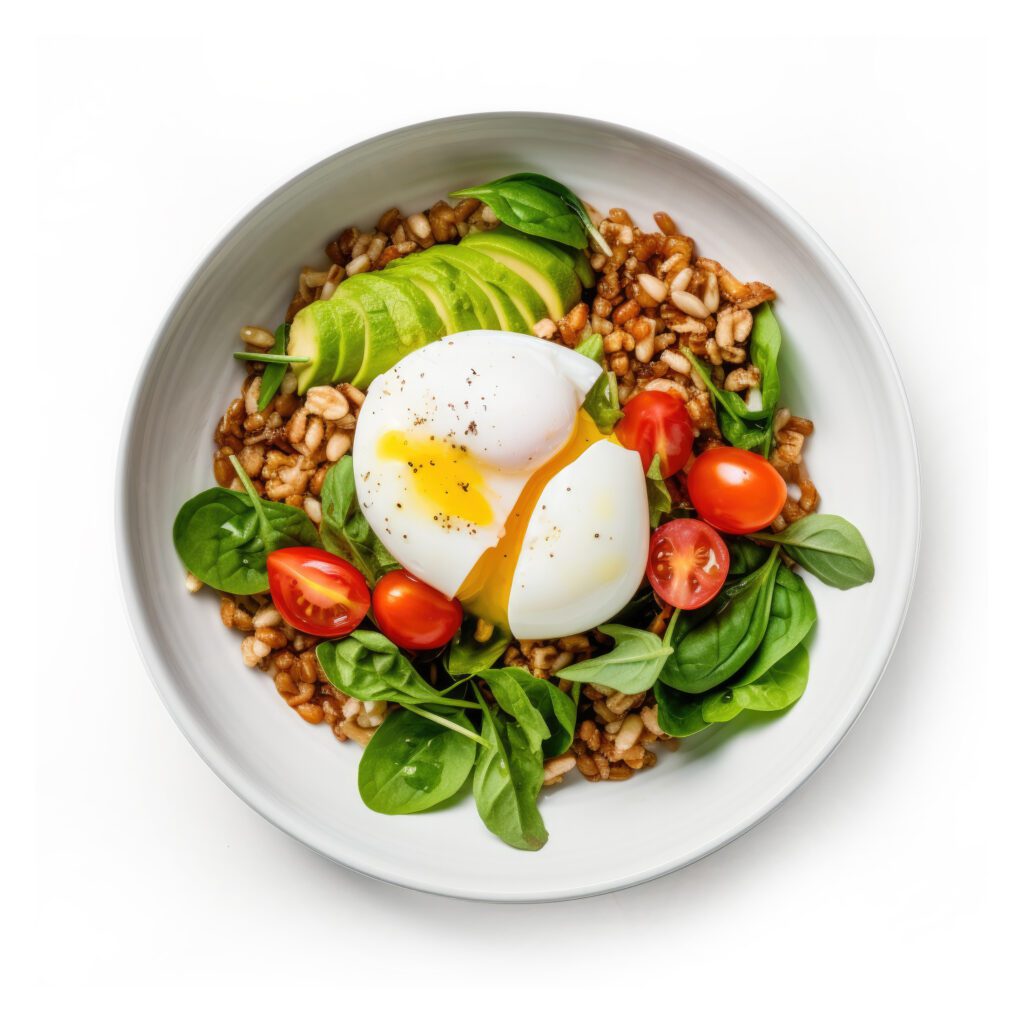
The “Dirty Dozen” for 2024 according to the Environmental Working Group (EWG) lists the fruits and vegetables with the highest levels of pesticide residues: Strawberries Spinach Kale, collard, and mustard greens Grapes Peaches Pears Nectarines Apples Bell and hot peppers Cherries Blueberries Green beans Insidershealth Tip:5 ways you can reduce your exposure to pesticides […]
Welcome to a closer look at Ozempic, a medication that’s been on everyone’s lips—though not just for its intended purpose. Originally approved for managing type 2 diabetes, Ozempic utilizes the active ingredient semaglutide to regulate blood sugar levels. However, its remarkable effectiveness in promoting weight loss has captured the attention of those far beyond the […]

In the quest for natural weight loss solutions, berberine has emerged as a frontrunner, captivating the attention of health enthusiasts worldwide. This compound, derived from various plants used in traditional medicine, is often lauded for its ability to facilitate weight loss and manage blood sugar levels. With an increasing number of individuals seeking alternatives to […]

A morning routine is more than just the start of your day; it’s the foundation of a successful Fat Burning/fat loss journey. Embracing a routine that incorporates hydration, nutrition, exercise, mindfulness, and adequate sleep can profoundly impact your weight loss efforts. This holistic approach ensures that every morning, you’re not just waking up; you’re setting […]
In the ever-expanding world of cannabinoids, CBN (Cannabinol) emerges as a lesser-known yet intriguing compound derived from the cannabis plant. Unlike its famous counterparts, THC and CBD, CBN has quietly garnered attention for a specific attribute: its potential to promote deeper and longer sleep. With a growing interest in natural sleep aids, CBN is increasingly […]
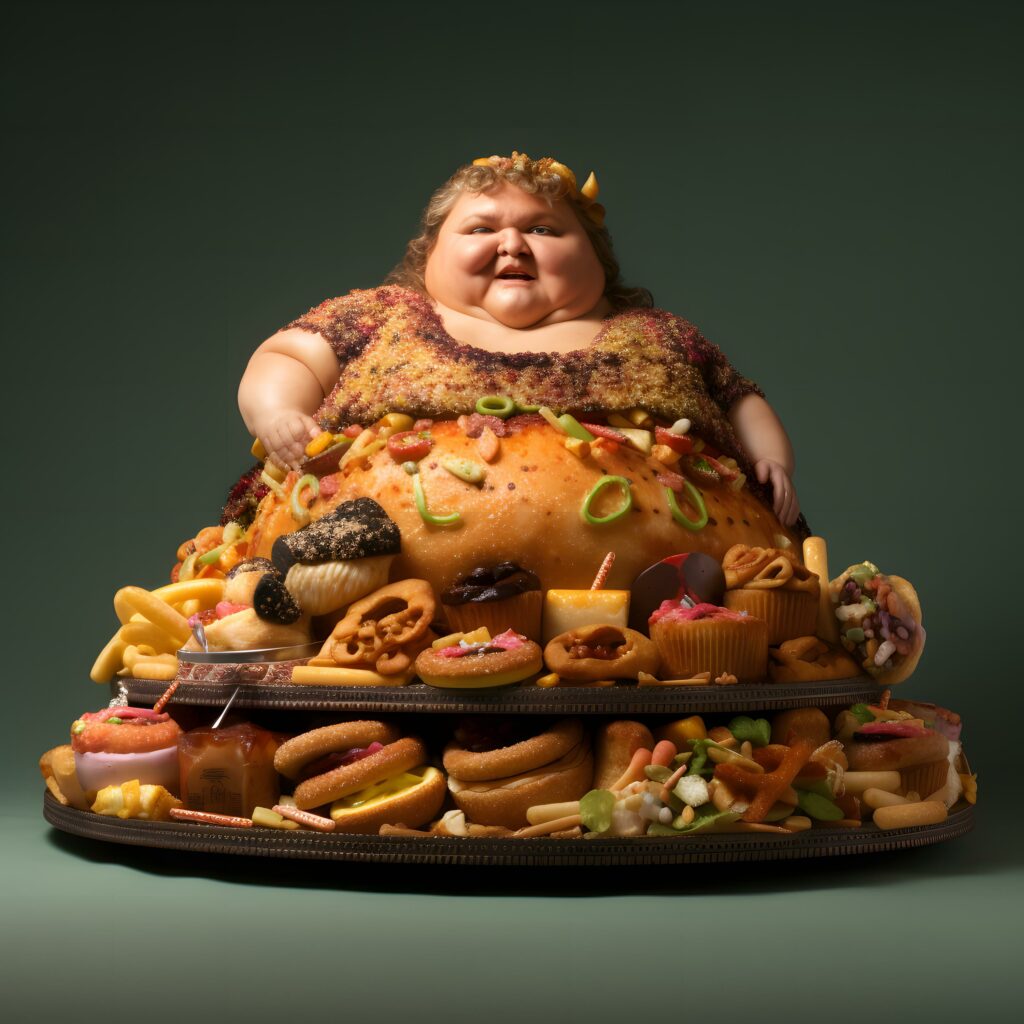
Overeating is a complex and multifaceted behavior, often misunderstood and oversimplified. It’s a confluence of various emotional, psychological, and environmental factors, each playing a significant role in influencing eating habits. Recognizing that overeating extends beyond mere physical hunger to encompass a range of underlying causes is crucial. This blog aims to shed light on these […]

In the realm of weight loss solutions, semaglutide medications such as Ozempic and Wegovy have risen to prominence, heralded for their effectiveness in combating obesity. However, with increasing popularity comes a worrying trend. Recent data indicates a surge in reported overdoses of these medications, a development that has raised alarms within the medical community. Between […]
In the healthcare world, a pressing issue is emerging: a significant shortage of GLP-1 medications, including widely known drugs like Ozempic and Wegovy. Originally designed for diabetes management and weight loss, these medications have become victims of their own success, with demand skyrocketing far beyond anticipated levels. This surge in demand, coupled with the complex […]
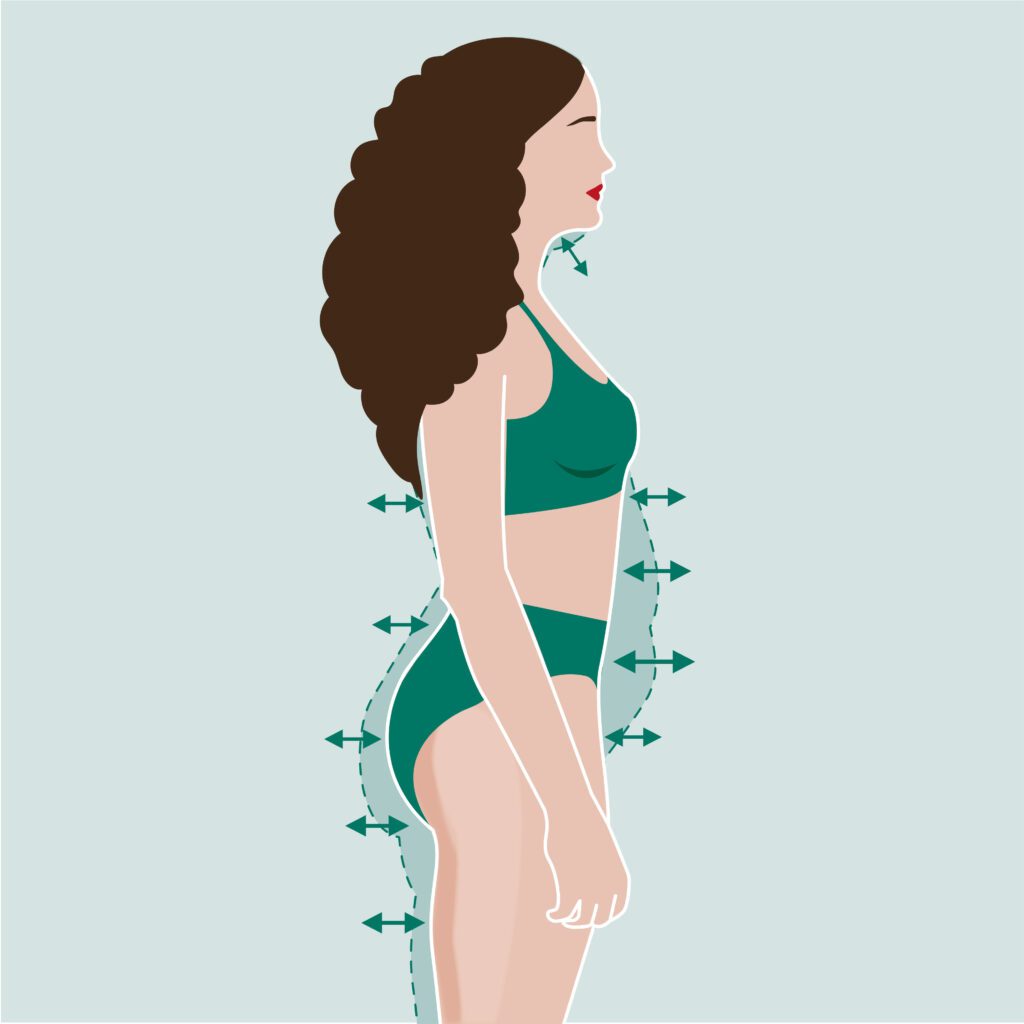
In the ever-evolving battle against obesity, GLP-1 treatments have emerged as a beacon of hope for those seeking weight loss solutions. These treatments, renowned for their effectiveness in reducing body weight, have gained popularity rapidly. However, beneath the surface of their apparent success lies a less discussed reality. This blog aims to shed light on […]
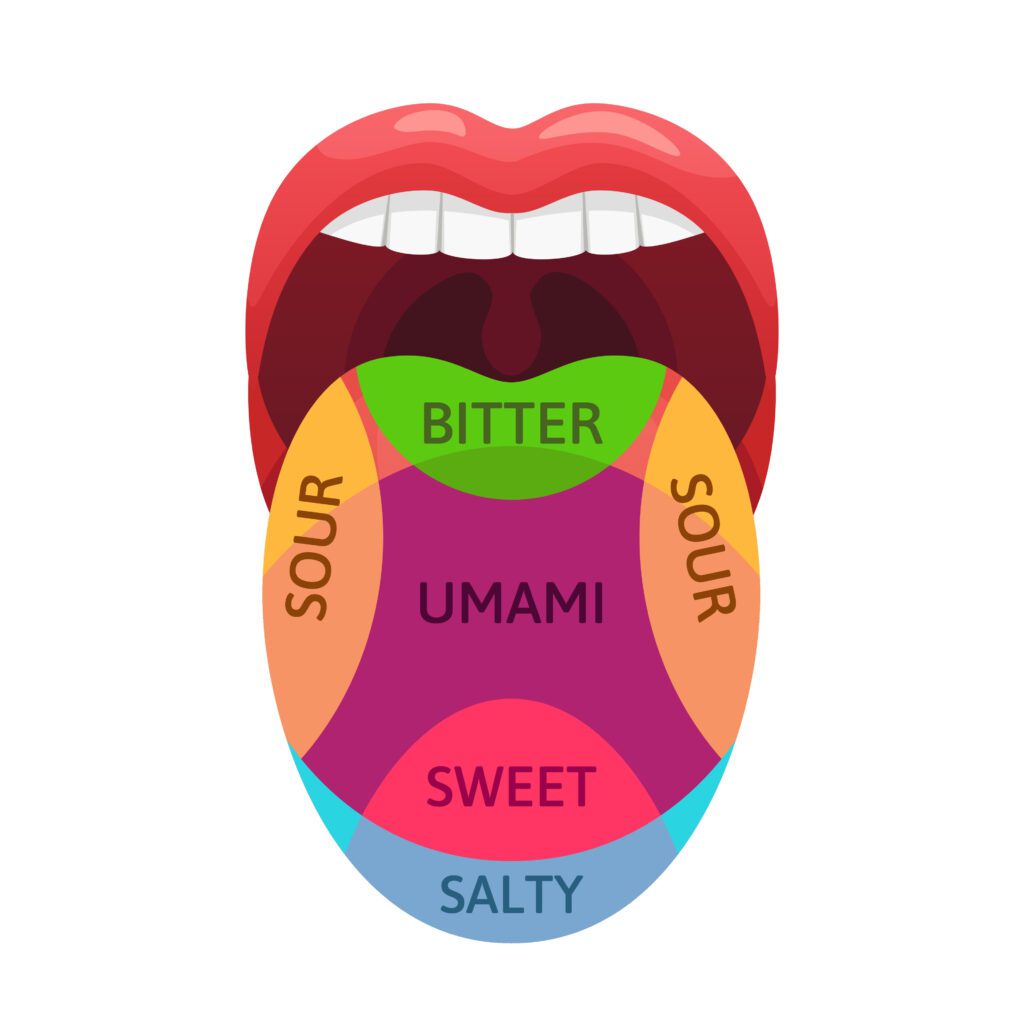
In the world of weight loss, one factor that often flies under the radar is taste perception. It’s a powerful influencer, deeply interwoven into our eating habits and dietary choices. This sensory experience extends beyond mere enjoyment – it plays a critical role in how we approach food, impacting both psychological and physiological responses. In […]

In the realm of health and wellness, hemp-based products have seen a meteoric rise in popularity, emerging as natural solutions for a range of modern ailments. This surge in interest has brought to light two distinct types of hemp: the traditional Himalayan hemp plants and the modern, modified hemp varieties cultivated in the United States. […]

In the journey towards effective weight management, sleep is a crucial factor that often doesn’t get the attention it deserves. Check out Exciting Sleep-Weight Connection between managing your weight and getting a good night’s sleep. While diet and exercise are typically at the forefront of weight loss strategies, the role of sleep is equally vital. […]
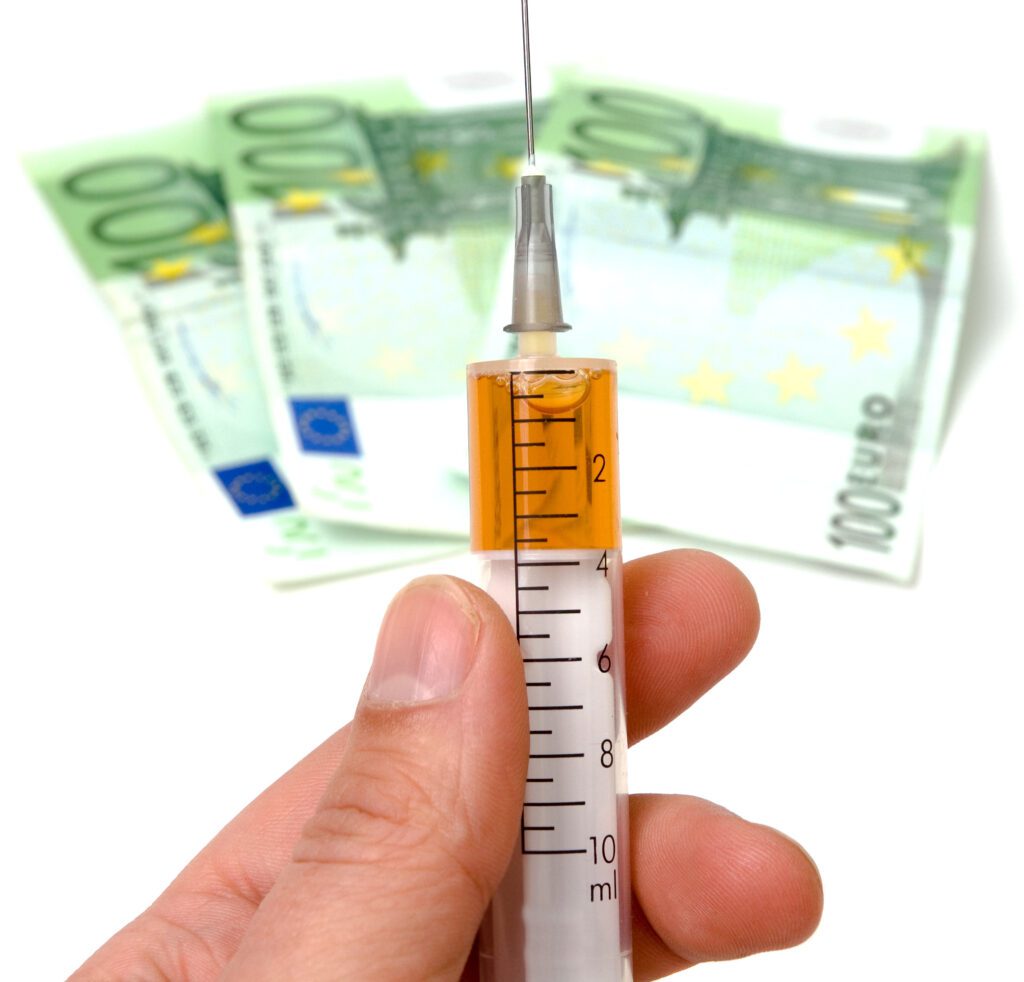
In the ever-evolving landscape of weight loss solutions, GLP-1s (Glucagon-like peptide-1s) have emerged as a prominent contender. Gaining traction for their promising results in weight management, these medications were originally conceptualized for diabetes treatment. Now, they have crossed over into the weight loss realm, drawing attention for their effectiveness in curbing appetite and regulating blood […]

When it comes to weight loss, the power of sports goes beyond mere calorie burning; it’s about finding activities that resonate with our age, physical capabilities, and lifestyle. The ideal sport for a teenager may not suit a senior, just as the perfect activity for someone in their thirties might differ from that of someone […]

The power of music to transform our exercise experience is both profound and often underappreciated. As you lace up your sneakers and prepare for a workout, the tunes you select can do more than just entertain you. They can significantly enhance your workout performance and enjoyment. Various music genres carry with them a unique blend […]
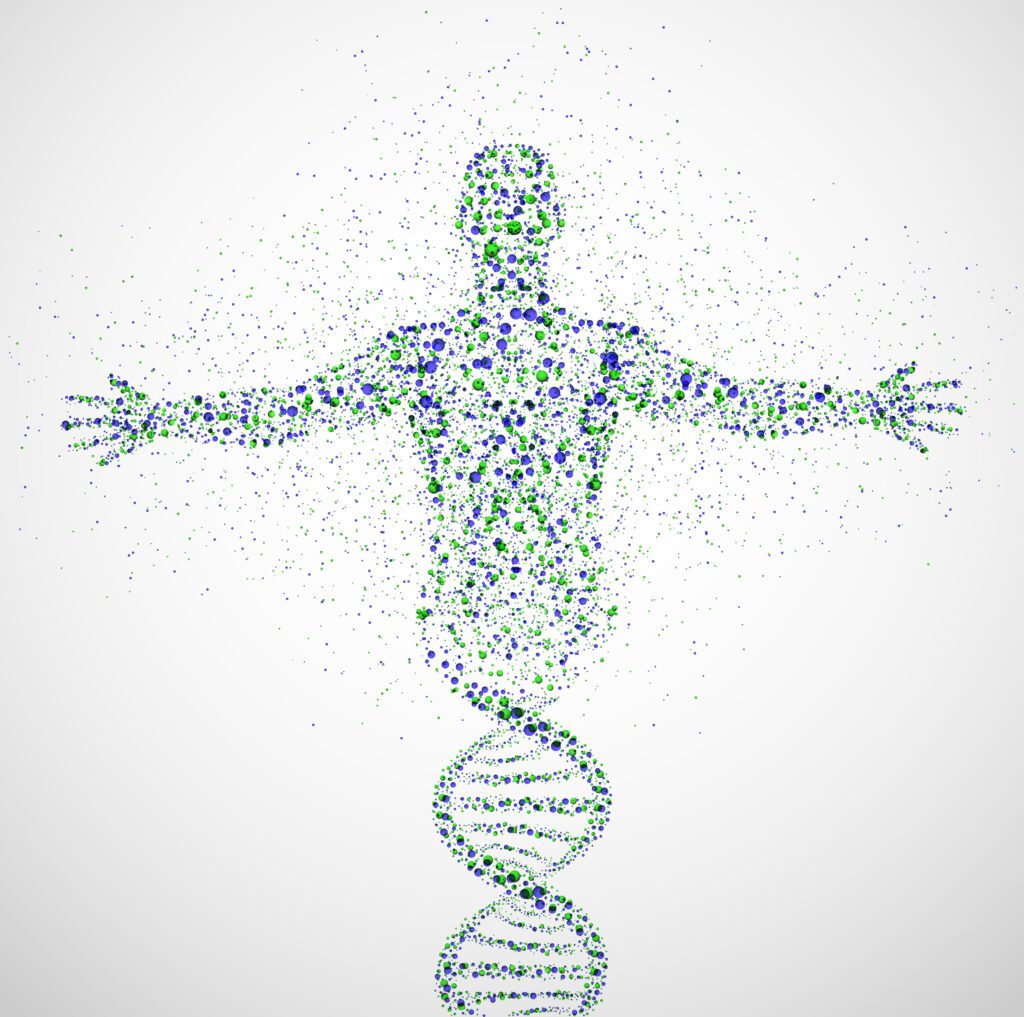
In the complex puzzle of weight loss, your genetic makeup plays a more significant role than you might realize. Gone are the days of one-size-fits-all diet plans and exercise regimens. With the advent of genetic testing and personalized medicine, we now understand that the secret to effective weight management may lie deep within our DNA. […]

Every year as the clock strikes midnight on December 31st, millions of people around the world are filled with a renewed sense of hope and determination. This is the year, they tell themselves, they will finally achieve their weight loss goals. New Year’s resolutions become a beacon of hope for a healthier, happier self. Yet, […]

In the vast expanse of the night sky, the moon’s rhythmic dance through its phases has captivated human imagination for millennia. Beyond its luminous beauty and cultural significance, there lies an intriguing question: could these celestial patterns, particularly lunar cycles, subtly influence our behavior, including aspects as personal as our diet and weight loss efforts? […]

In the vibrant world of culinary delights, spices do more than just enhance flavor – they might be your unexpected allies in the journey of weight loss. Often tucked away in our kitchen cabinets, these potent little wonders are not just about adding a kick to our meals; they carry within them the potential to […]

In the quest for a healthier lifestyle and effective weight loss, we often focus on diet and exercise, the two pillars that dominate most fitness discussions. However, there’s a third, critical component that frequently escapes our attention – sleep. While we close our eyes each night, our body embarks on a complex journey of restoration […]
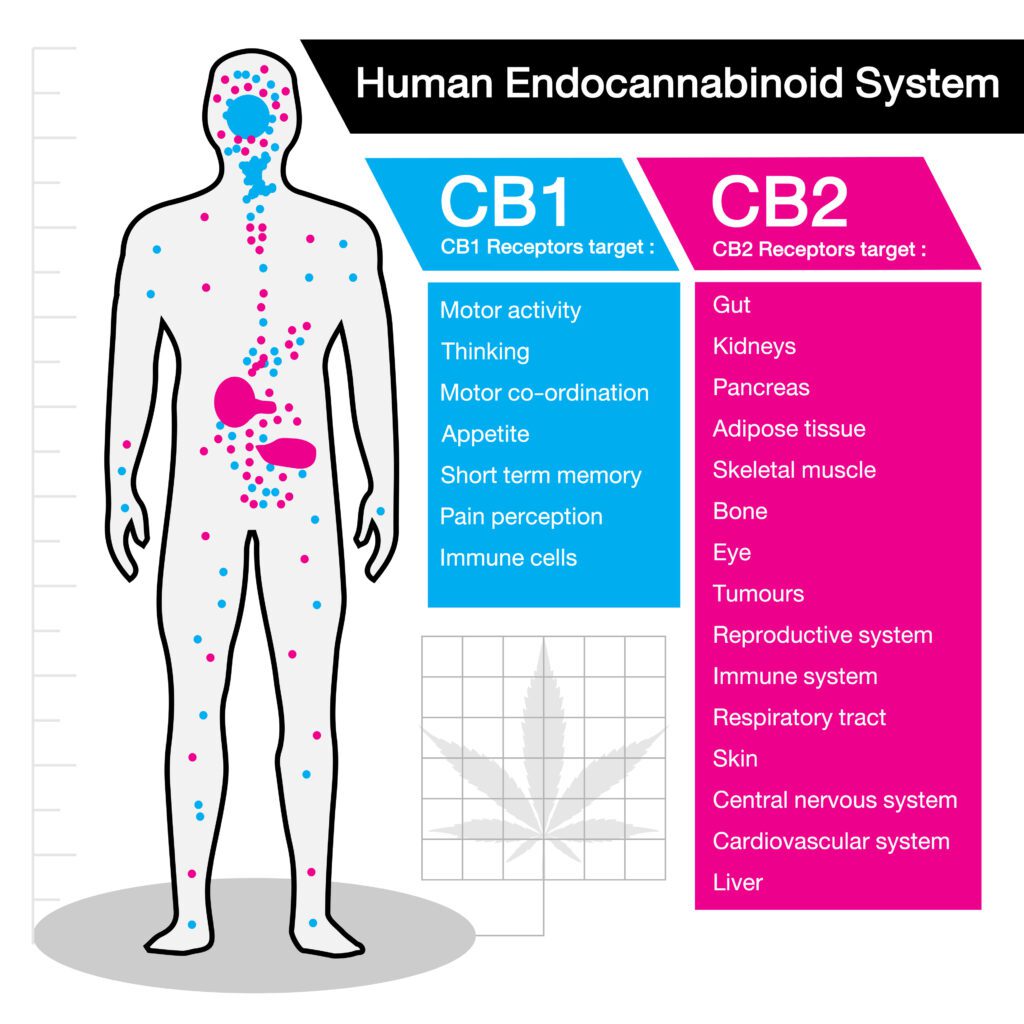
In the intricate world of human physiology, the endocannabinoid system (ECS) plays a crucial yet often underappreciated role. Central to this system are the cannabinoid receptors, CB1 and CB2, which are integral to how our bodies maintain balance and react to various stimuli. These receptors are not just biological curiosities; they are gatekeepers to a […]
Welcome to an enlightening exploration of a lesser-known yet pivotal player in our health: the endocannabinoid system (ECS). This intricate network within our bodies might be famous for its links to cannabis, but its role extends far beyond. Today, we’re diving into how the ECS crucially impacts metabolic syndrome – a term you might have […]
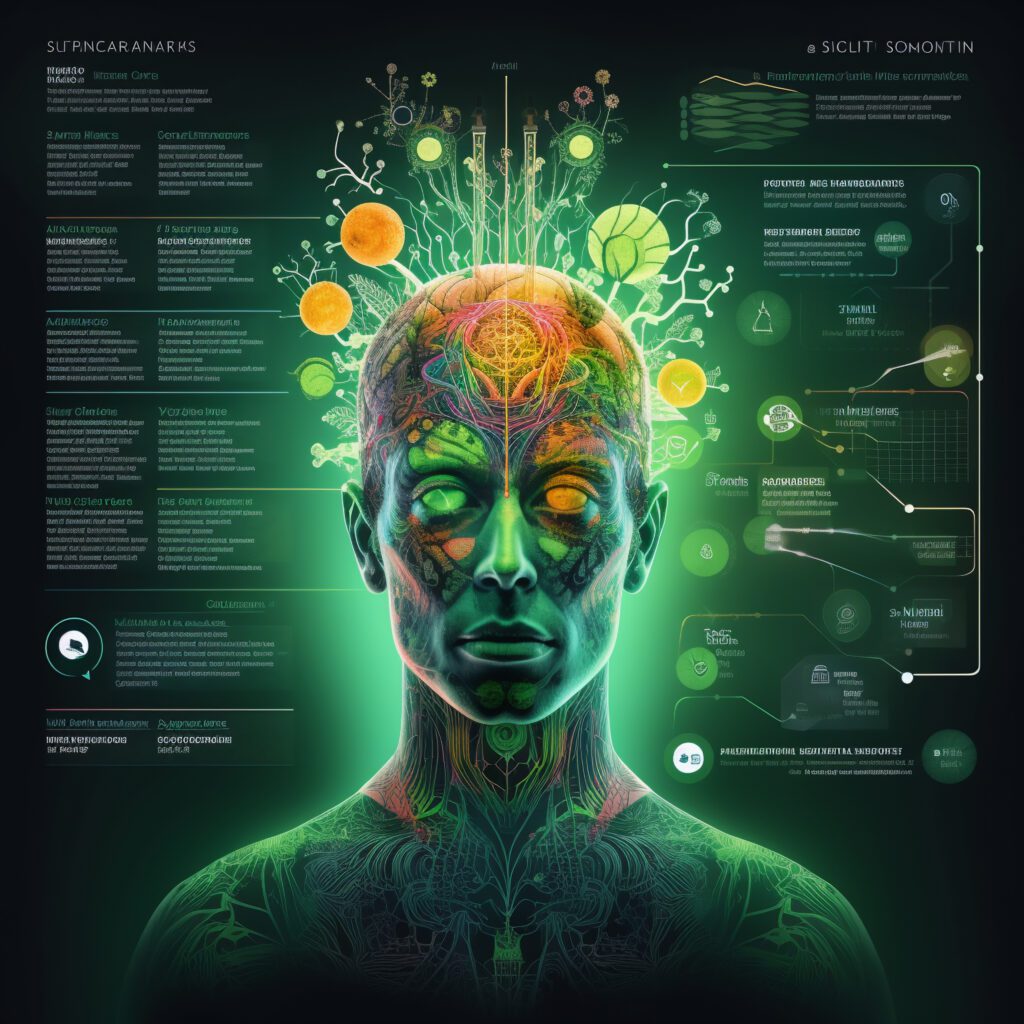
Welcome to a journey through one of the most fascinating and least understood systems in our bodies: the ECS (endocannabinoid system). Often overshadowed by more prominent systems, the ECS is like an unsung hero working quietly in the background, crucial to our overall well-being and health. Imagine a conductor in an orchestra, subtly yet powerfully […]
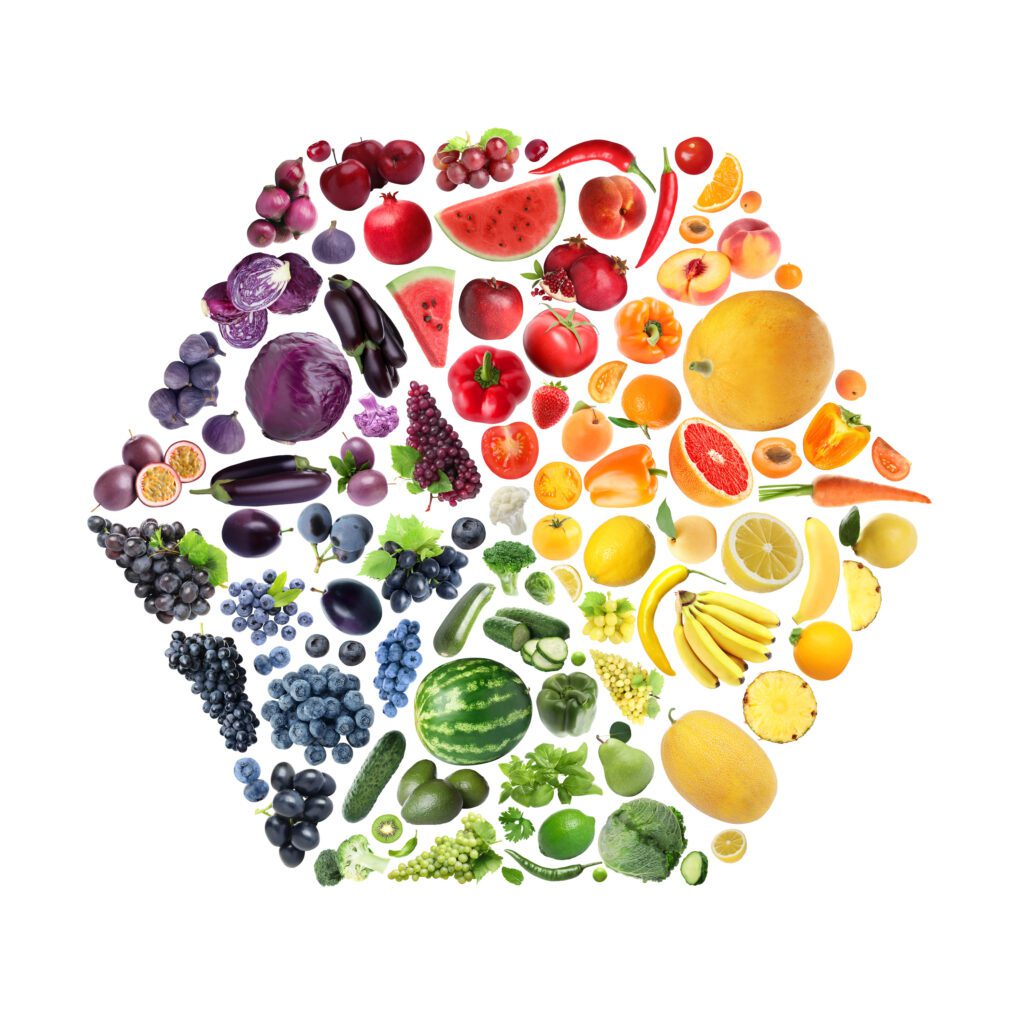
Welcome to a journey where the spectrum of colors intertwines with the path to a healthier you. It’s not just the calories and exercises that shape our weight loss journey; surprisingly, colors play a pivotal role too. Have you ever wondered why certain restaurants are painted in specific colors or why some plates make food […]
Welcome to our exploration of “hedonic hunger,” a fascinating concept that’s reshaping our understanding of why we sometimes can’t stop eating those chips or cookies, even when we’re not really hungry. This isn’t just about having a sweet tooth or loving snacks; it’s about how certain foods mess with our brains, making us crave more. […]

Embarking on a weight loss journey is akin to navigating a river that flows through varied landscapes, each representing a different stage of life. It’s a journey that doesn’t follow a straight path; instead, it winds and twists, shaped by the unique challenges and triumphs of each life stage. Understanding the nuances of weight loss […]
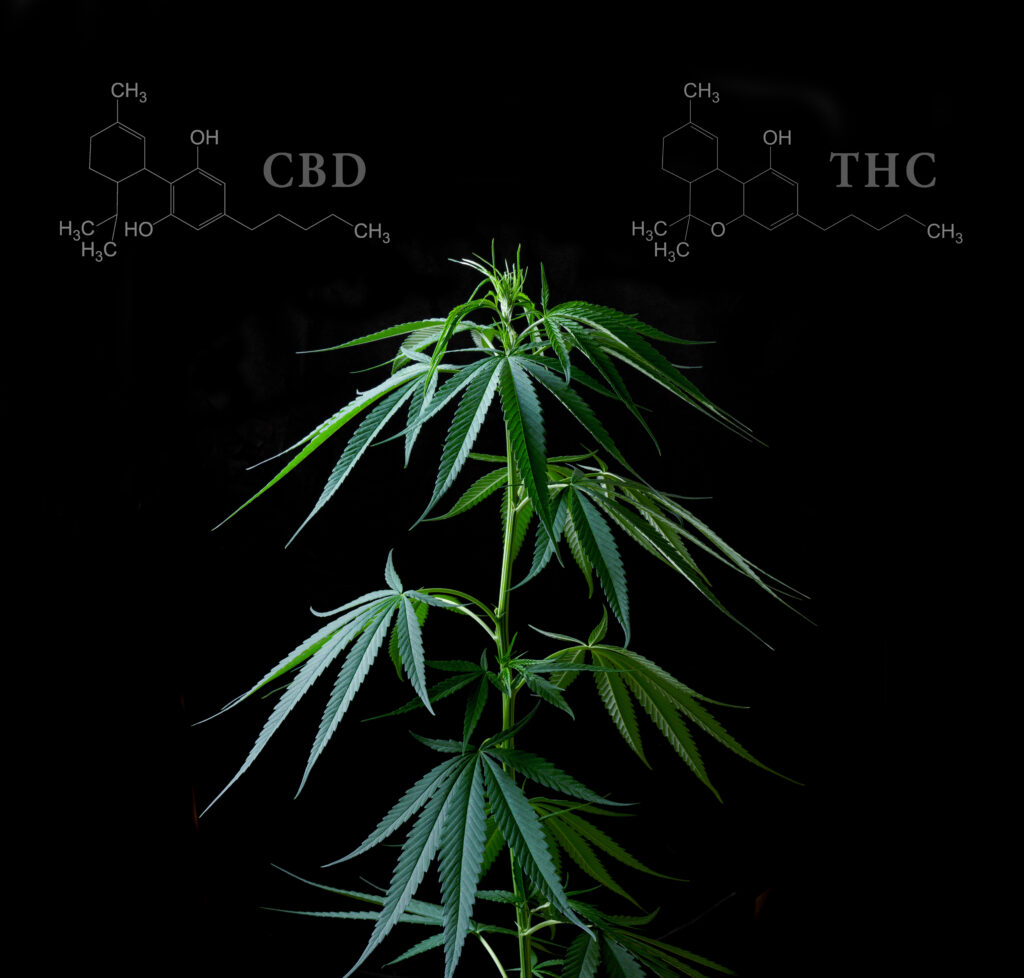
Welcome to the fascinating world of cannabinoids, nature’s own chemical powerhouses found in the cannabis plant. These remarkable compounds have captured the attention of scientists, medical professionals, and wellness enthusiasts alike. But what exactly are cannabinoids? In simple terms, they’re a group of compounds that interact with specific receptors in the human body, influencing everything […]
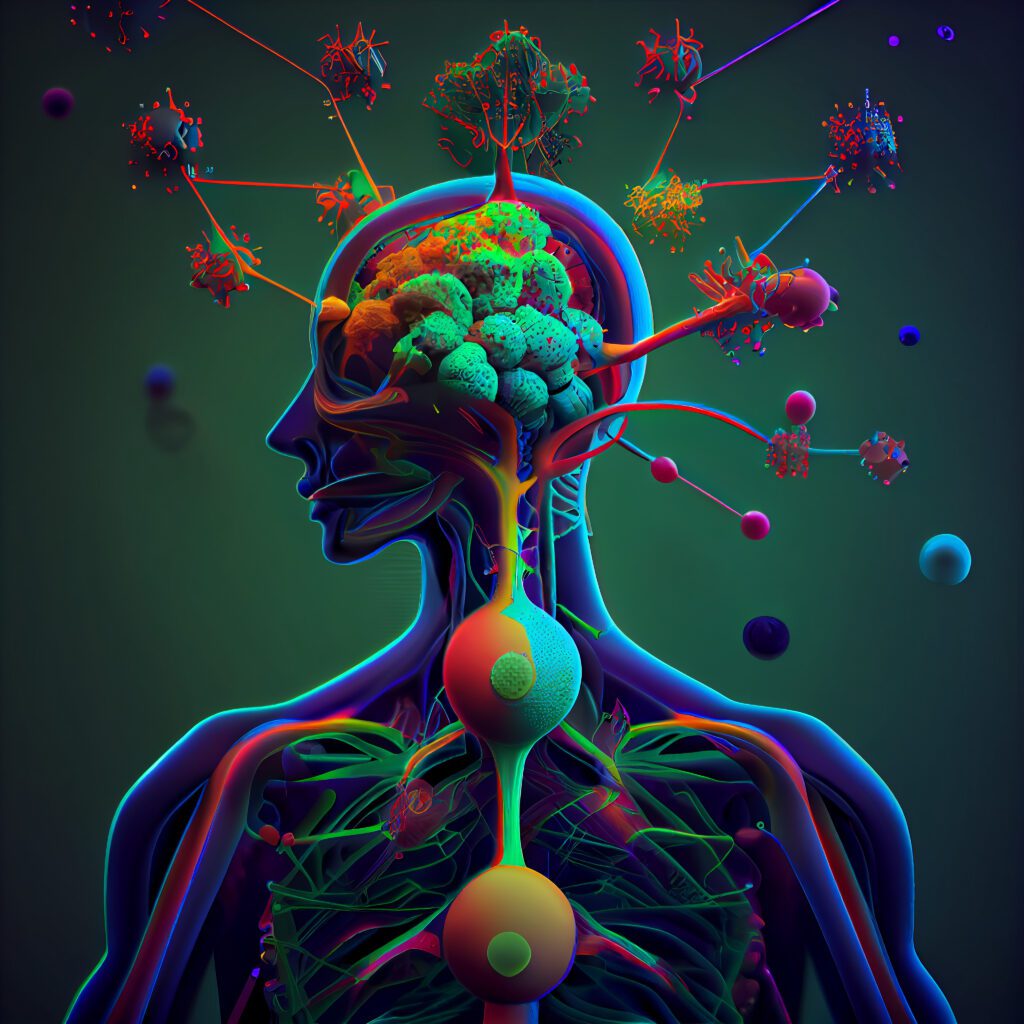
Welcome to a fascinating exploration of one of the most intriguing and less understood systems in our body: the Endocannabinoid System (ECS). Discovered in the early 1990s during research on the effects of cannabis, the ECS has since emerged as a critical regulator of numerous physiological processes. While it might be most famously associated with […]
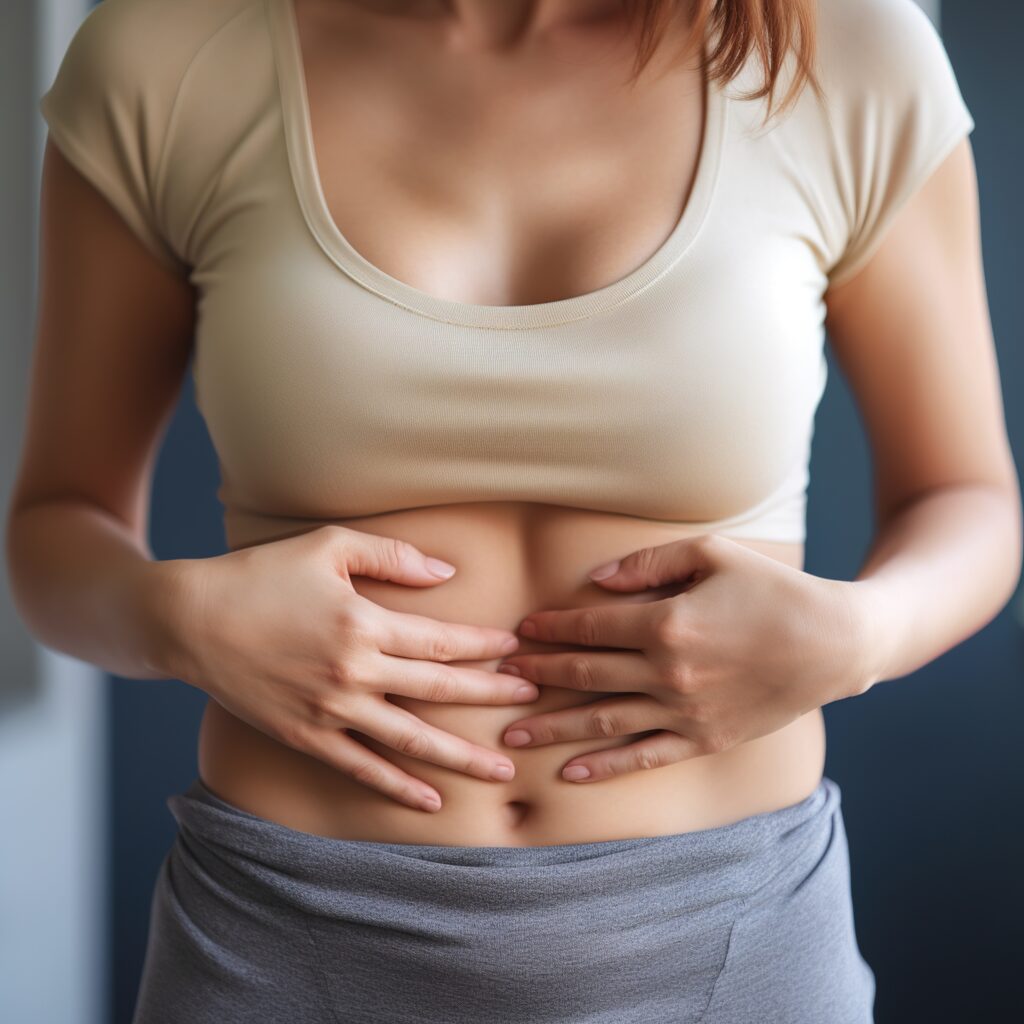
In a world where instant results and quick fixes are the norms, waist trainers have emerged as a modern-day solution for achieving that coveted hourglass figure. Once a secret weapon of celebrities and fitness influencers, these corset-like garments have now found their way into the everyday wardrobe of those seeking a slimmer waist and a […]
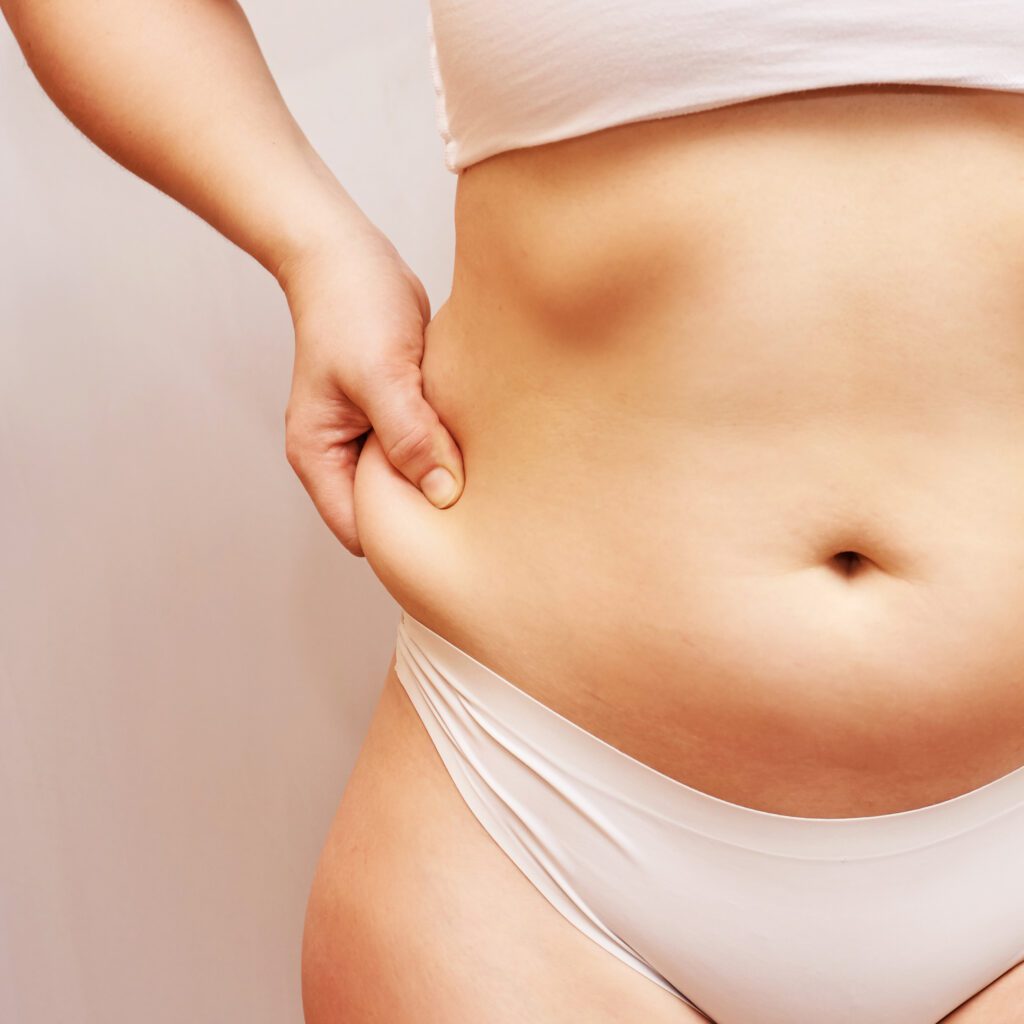
Welcome to our blog! Today, we’re going to talk about a medicine called Ozempic. Recently, lots of people have started using Ozempic to help them lose weight. But did you know that losing weight isn’t always just about getting rid of fat? Sometimes, it can also mean losing muscle, which is not so good. In […]
Mounjaro has recently emerged on the weight loss horizon as a promising solution for those seeking medical aid in their battle against obesity. This new supplement has been gaining attention for its potential to aid significant weight reduction. However, it’s essential to dive deeper and understand the potential side effects that accompany its use. This […]
In the quest for effective weight loss solutions, Wegovy has emerged as a beacon of hope for many battling obesity. This prescription medication, praised for its ability to aid significant weight loss, has become a popular choice among those seeking a medical solution to their weight struggles. However, like a coin with two sides, Wegovy’s […]

Did you know that more than one-third of adults in the world are overweight? That’s a lot of people! Now, imagine a room full of 100 people. Statistics say that around 50 of them will have some trouble with their memory as they get older, a condition called Alzheimer’s disease. But what if these two […]
3 fundamental principles of Metabolic Confusion – In this program, we prioritize your overall well-being and sustainability, emphasizing that you don’t need to starve yourself to shed those unwanted pounds. Principle 1: Balanced Caloric Cycling One of the cornerstones of our approach is balanced caloric cycling. We believe in striking the right balance between calorie […]
Grehlin and Leptin are hormones that have a significant role in energy balance and body weight regulation. Leptin, primarily secreted by adipocytes (fat cells), is known as the “satiety hormone” as it helps to regulate energy balance by inhibiting hunger. Leptin communicates with the hypothalamus in the brain, signaling the body has had enough to […]
When you are in a Severe Caloric Restrictions deficit, your body undergoes various physiological changes to adapt and potentially prevent further weight loss. This involves complex interactions between the brain, hormones, and other physiological processes. Here’s how this communication typically works: Leptin: Leptin is a hormone produced by fat cells (adipocytes). Its primary role is […]

Traditional dieting wisdom tells us that less food equals more weight loss. However, recent insights suggest that this equation isn’t as simple as it seems. A comprehensive study by the National Institute of Health has shown that reducing calorie intake might not be the golden ticket to weight loss we once believed. The reason lies […]

Hey there, sleep seekers! Have you ever tossed and turned at night, wishing for a magic switch to turn off your buzzing thoughts and lead you into dreamland? You’re not alone. A lot of us struggle with getting enough shut-eye, and boy, does it matter! Sleep is like a supercharger for our bodies – it […]
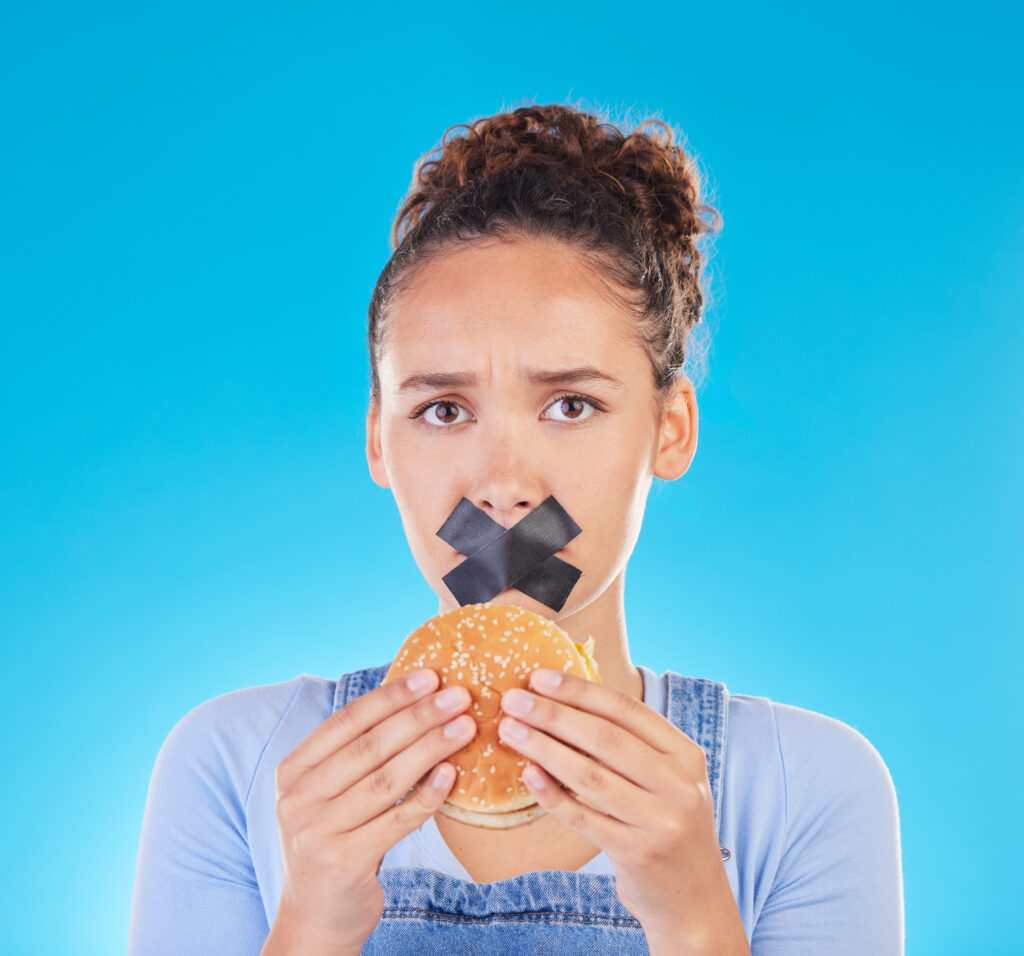
When it comes to losing weight, many people turn to calorie restriction and starvation diets as a quick solution. The idea is simple: consume fewer calories than you burn, and you will shed those extra pounds. While this approach may seem logical, it’s a common misconception that can have the opposite effect on your weight […]

Our bodies are incredible machines, finely tuned to perform an array of complex functions. One of the systems that helps regulate our internal environment is the endocannabinoid system (ECS). This system is like a conductor of an orchestra, ensuring that everything works in harmony. It plays a crucial role in maintaining balance and regulating various […]

Written By: Jack Riess NASM Certified Personal Trainer, Author, and Life Long Researcher of Health and Longevity. Imagine being given a magic pill, one that promises to melt away those stubborn pounds. Now, imagine that same pill coming with a laundry list of alarming side effects—ranging from gastrointestinal issues to severe psychological distress—that could alter […]
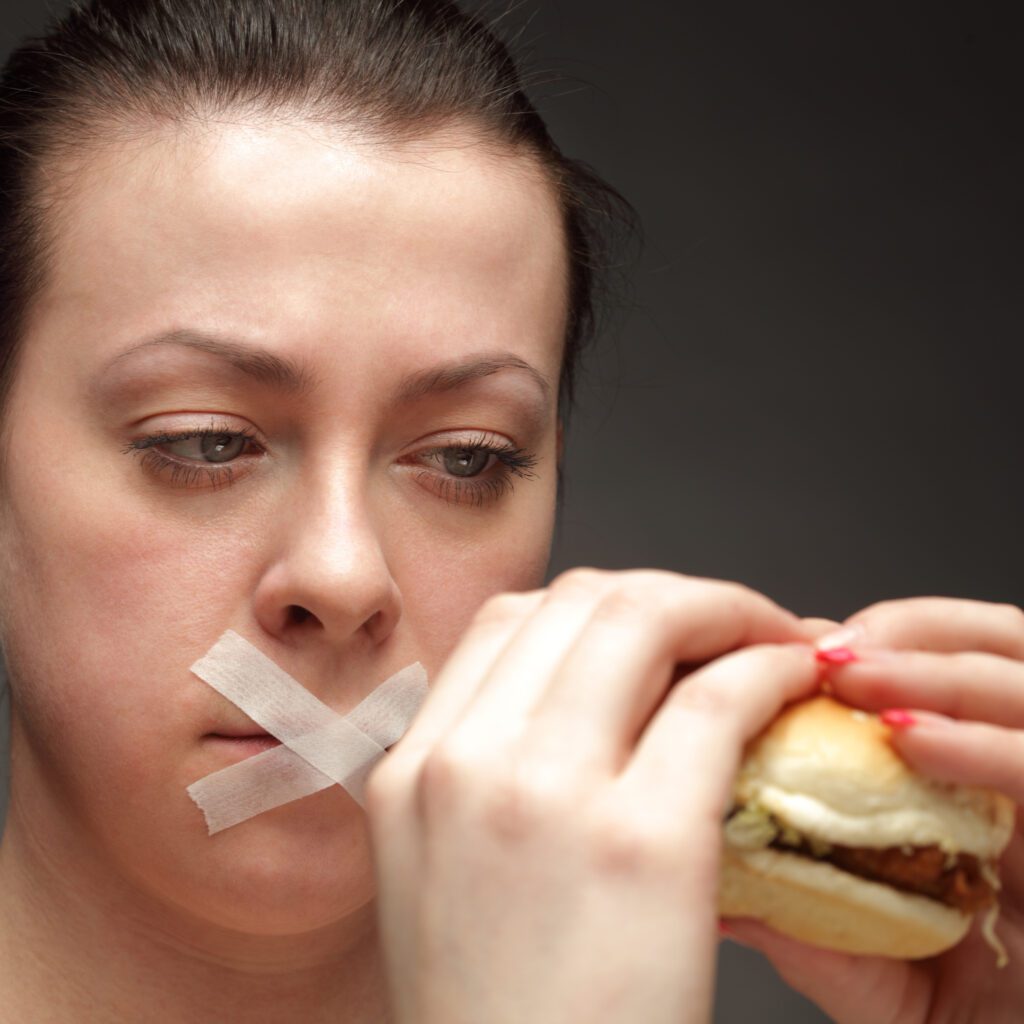
Written By: Jack Riess NASM Certified Personal Trainer, Author, and Life Long Researcher of Health and Longevity. Welcome to a blog that delves into one of the most fascinating corners of health and wellness: appetite suppression. Now, you might be wondering, why is this so important? Well, if you’ve ever tried to lose weight, gain […]

Written By: Jack Riess NASM Certified Personal Trainer, Author, and Life Long Researcher of Health and Longevity. In our world today, we talk a lot about weight. How to lose it, how to gain it, and how to keep it just right. But did you know our bodies have their own special “thermostat” for weight? […]
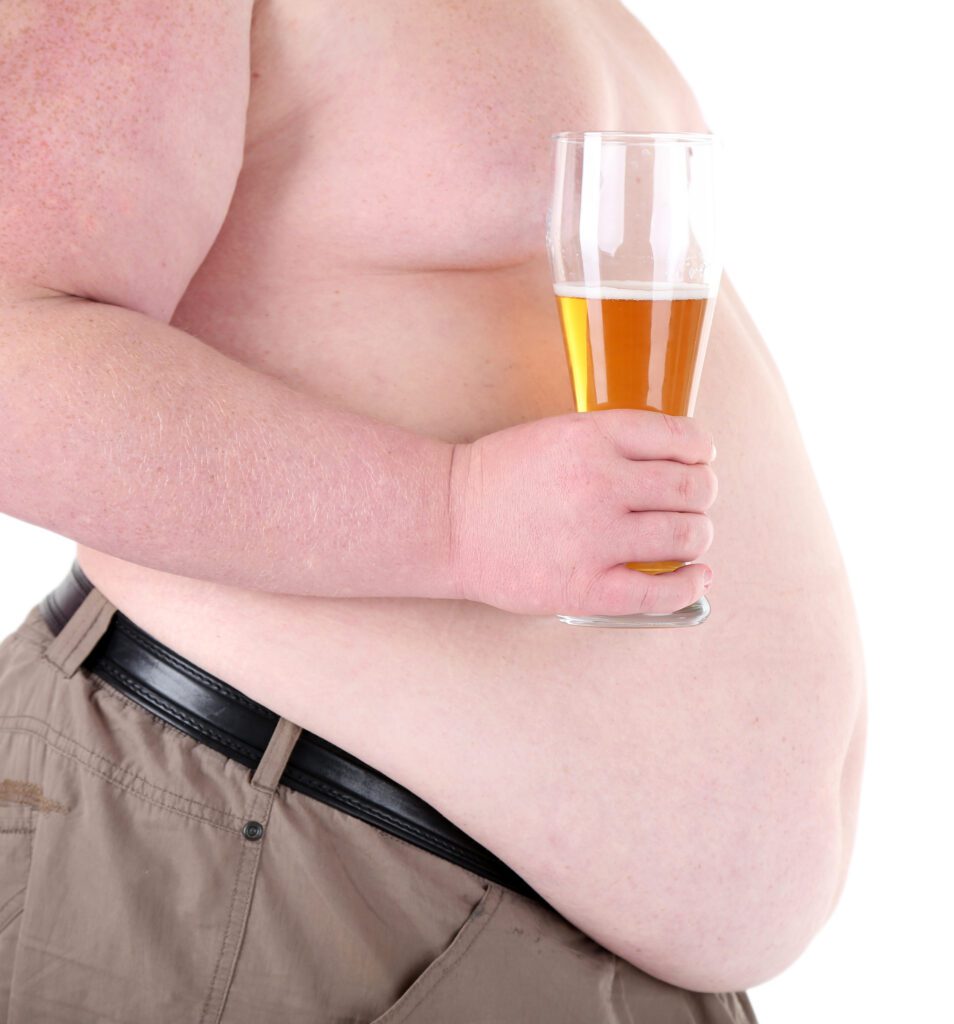
Written By: Jack Riess NASM Certified Personal Trainer, Author, and Life Long Researcher of Health and Longevity. Did you know that drinking just two glasses of wine every day can lead to gaining around 30 pounds in a year? That’s about the weight of a small microwave oven, and it’s a surprising fact that many […]
Written By: Jack Riess NASM Certified Personal Trainer, Author, and Life Long Researcher of Health and Longevity. In the world of health and fitness, everyone is always looking for the next big thing to help them lose weight. Recently, two drugs named Ozempic and Wegovy have been making headlines as the latest trendy solutions for […]
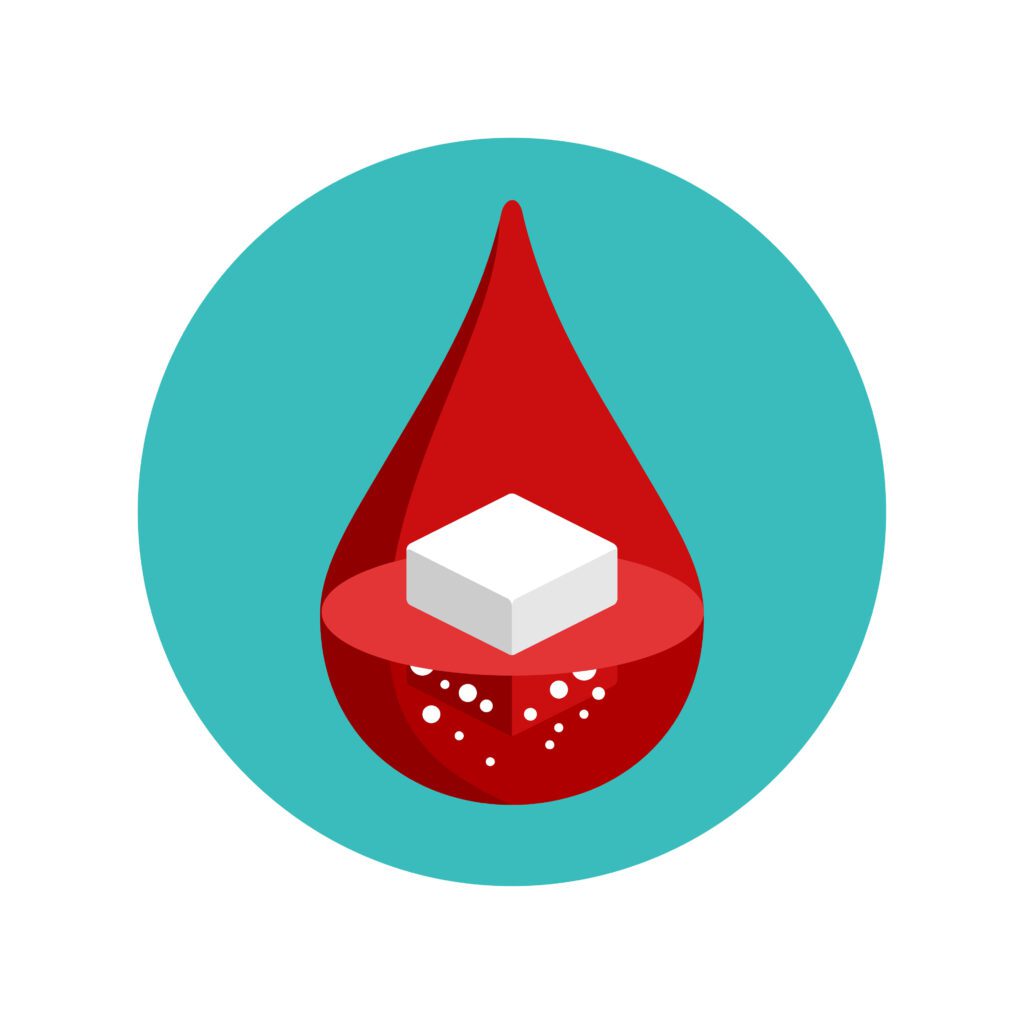
Written By: Jack Riess NASM Certified Personal Trainer, Author, and Life Long Researcher of Health and Longevity. Imagine your body as a grand orchestra. Each instrument (or body part) plays its role perfectly to create a beautiful melody. But for this melody to be harmonious, there’s one thing that needs to be just right – […]
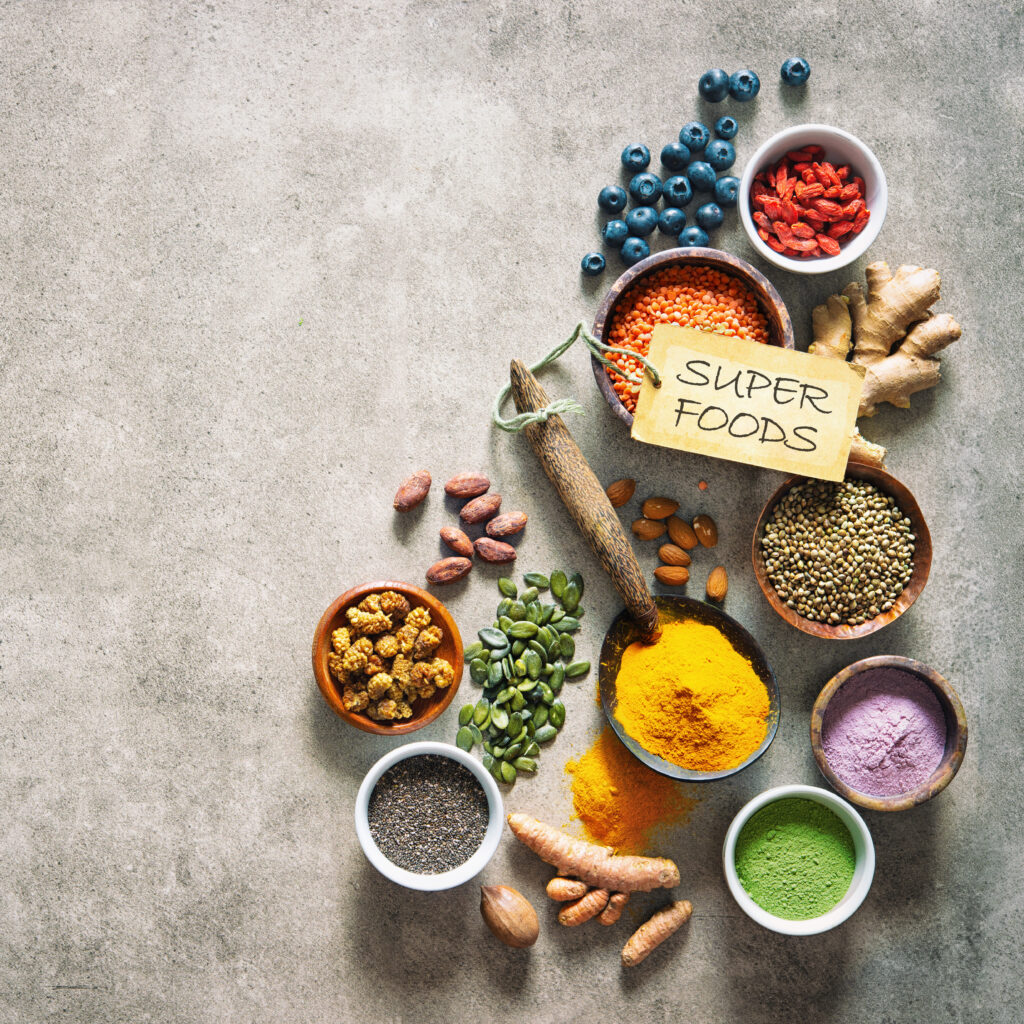
Written By: Jack Riess NASM Certified Personal Trainer, Author, and Life Long Researcher of Health and Longevity. In the age of holistic health and wellness, one word echoes through every corner of the health community: superfoods. From the aisles of organic grocery stores to our social media feeds filled with smoothie bowls and salad jars, […]
Written By: Jack Riess NASM Certified Personal Trainer, Author, and Life Long Researcher of Health and Longevity. What if I told you that the secrets to happiness were already inside your head, quite literally? It’s true! Tucked away within the intricate labyrinth of our minds, a quartet of chemicals plays a pivotal role in determining […]
Written By: Jack Riess NASM Certified Personal Trainer, Author, and Life Long Researcher of Health and Longevity. Sugar – it’s in our morning cups of coffee, our favorite dessert, and even hidden in the so-called ‘healthy’ snacks. Sweet as it may be, sugar has a darker side, one that can be detrimental to our health. […]
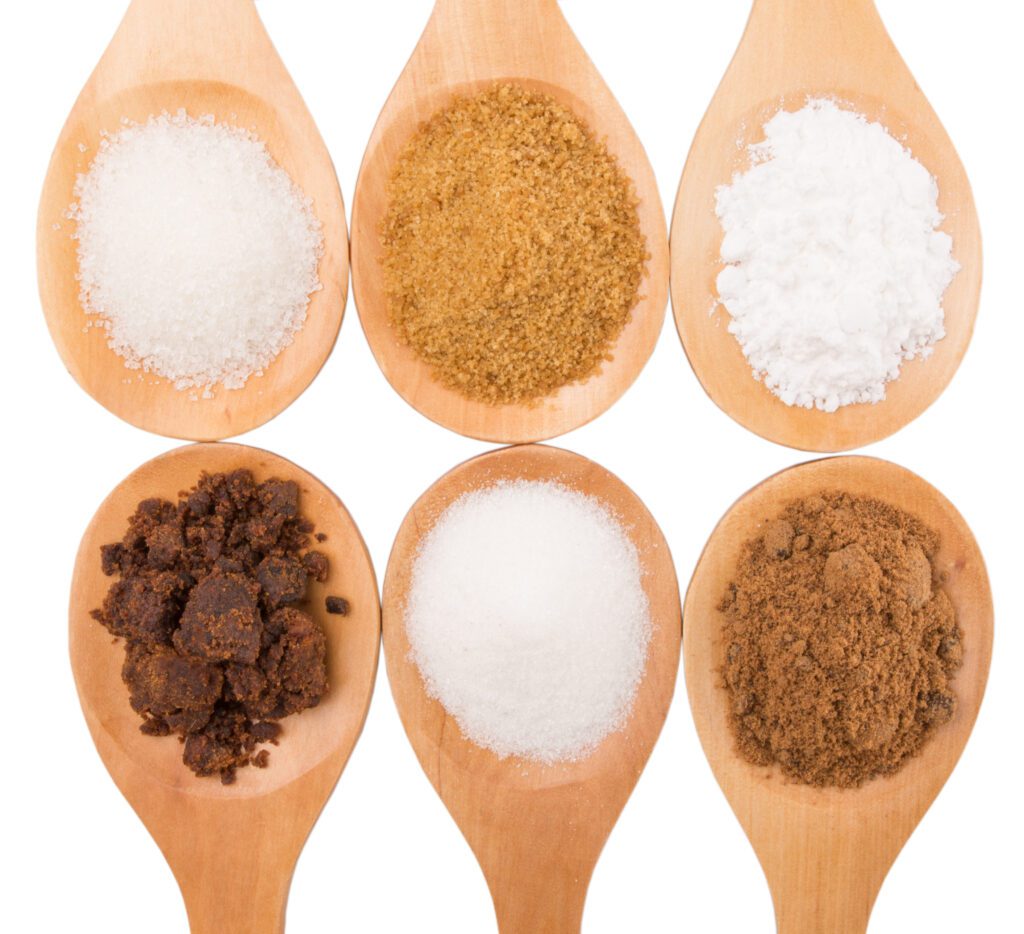
Written By: Jack Riess NASM Certified Personal Trainer, Author, and Life Long Researcher of Health and Longevity. Once considered a luxury, sweet, crystalline sugar has now, quite insidiously, woven itself into the very fabric of our diets. Unseen but omnipresent, it lurks in the foods we consume daily – even the ones we least expect. […]
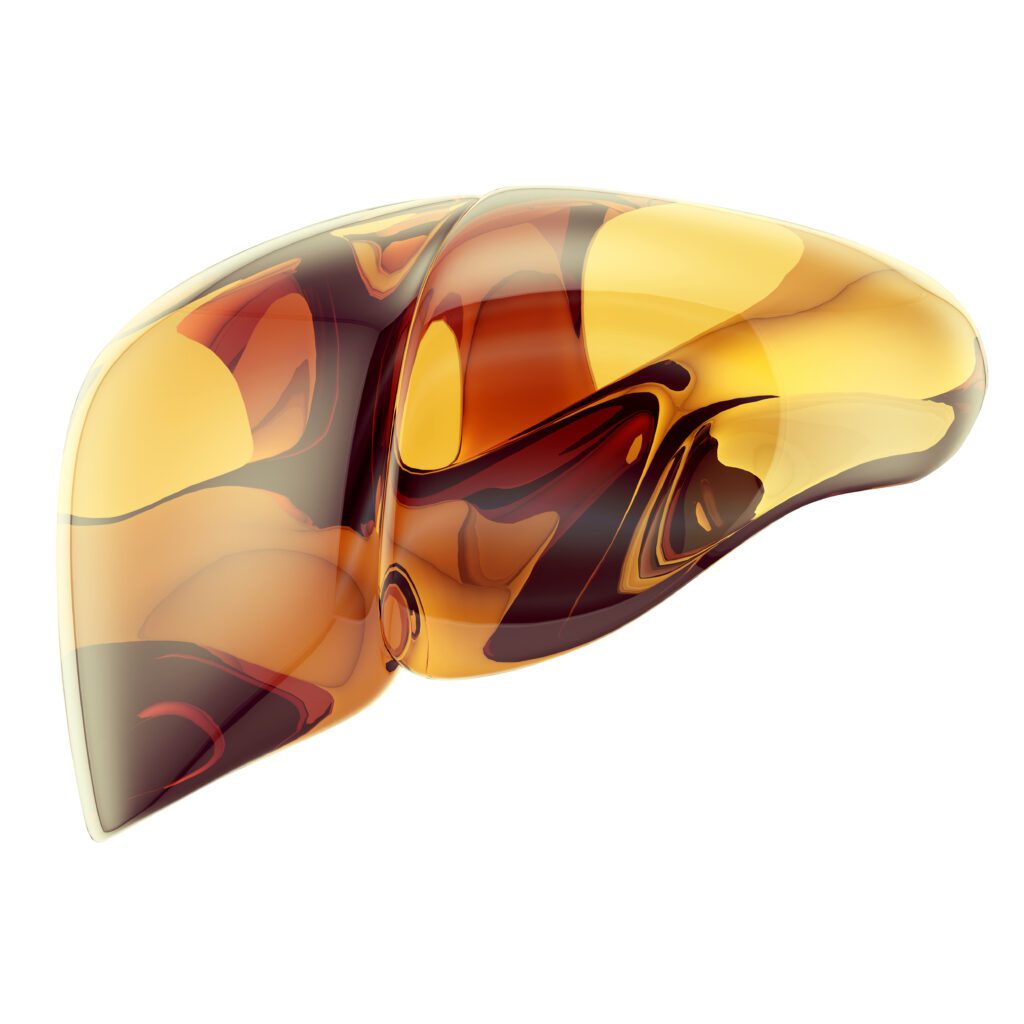
Written By: Jack Riess NASM Certified Personal Trainer, Author, and Life Long Researcher of Health and Longevity. The liver is your body’s chemical processing plant, transforming everything you eat, drink, and even breathe into life-sustaining substances. It detoxifies harmful chemicals, metabolizes drugs, filters blood, and produces vital proteins. This indispensable organ deserves our utmost attention, […]
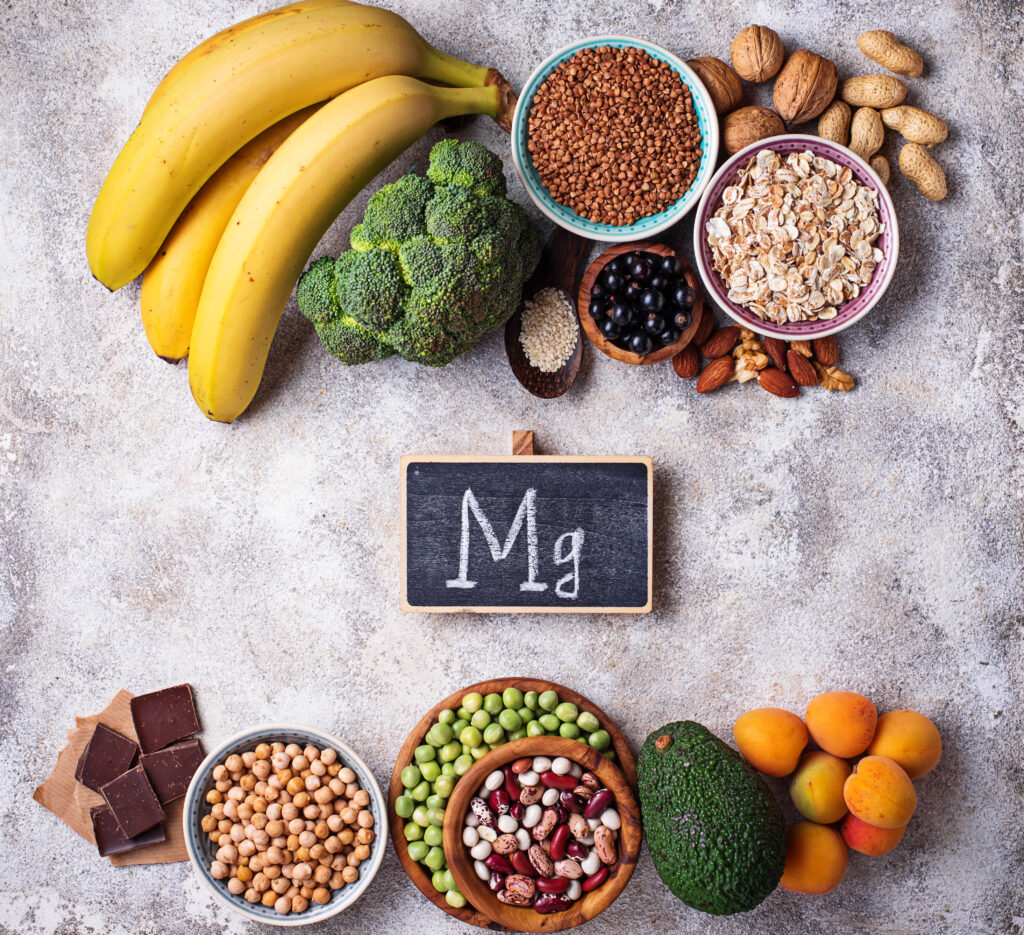
Written By: Jack Riess NASM Certified Personal Trainer, Author, and Life Long Researcher of Health and Longevity. Type 2 diabetes is a chronic condition characterized by the body’s inability to effectively use insulin, leading to elevated blood sugar levels. It is a global health concern, affecting over 400 million people worldwide, and its prevalence continues […]

Written By: Jack Riess NASM Certified Personal Trainer, Author, and Life Long Researcher of Health and Longevity. In the realm of modern medicine, the battle against Type 2 diabetes and obesity continues to be one of the most prominent challenges. With millions suffering globally, the need for effective treatments is paramount. Among the innovative solutions […]
Written By: Jack Riess NASM Certified Personal Trainer and Life Long Researcher of Health and Longevity. In the dynamic realm of pharmaceuticals, two names have been making waves in the recent years – Ozempic and Wegovy. These medications have emerged as powerful allies in the fight against diabetes and obesity, two health conditions that have […]
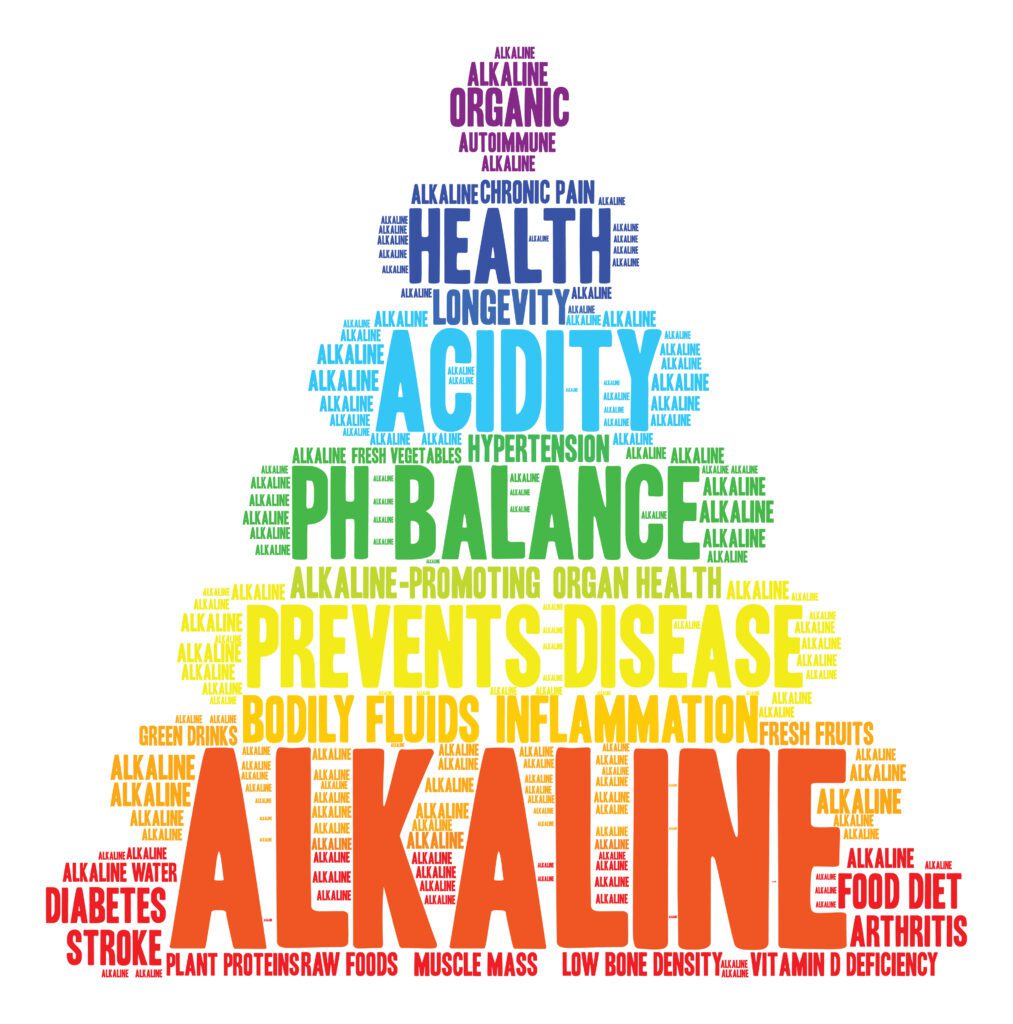
Written By: Jack Riess NASM Certified Personal Trainer and Life Long Researcher of Health and Longevity. When you think about maintaining a healthy lifestyle, you might consider diet, exercise, and regular check-ups. But have you ever considered the importance of your body’s pH level? In essence, our body’s pH is a measure of how acidic […]
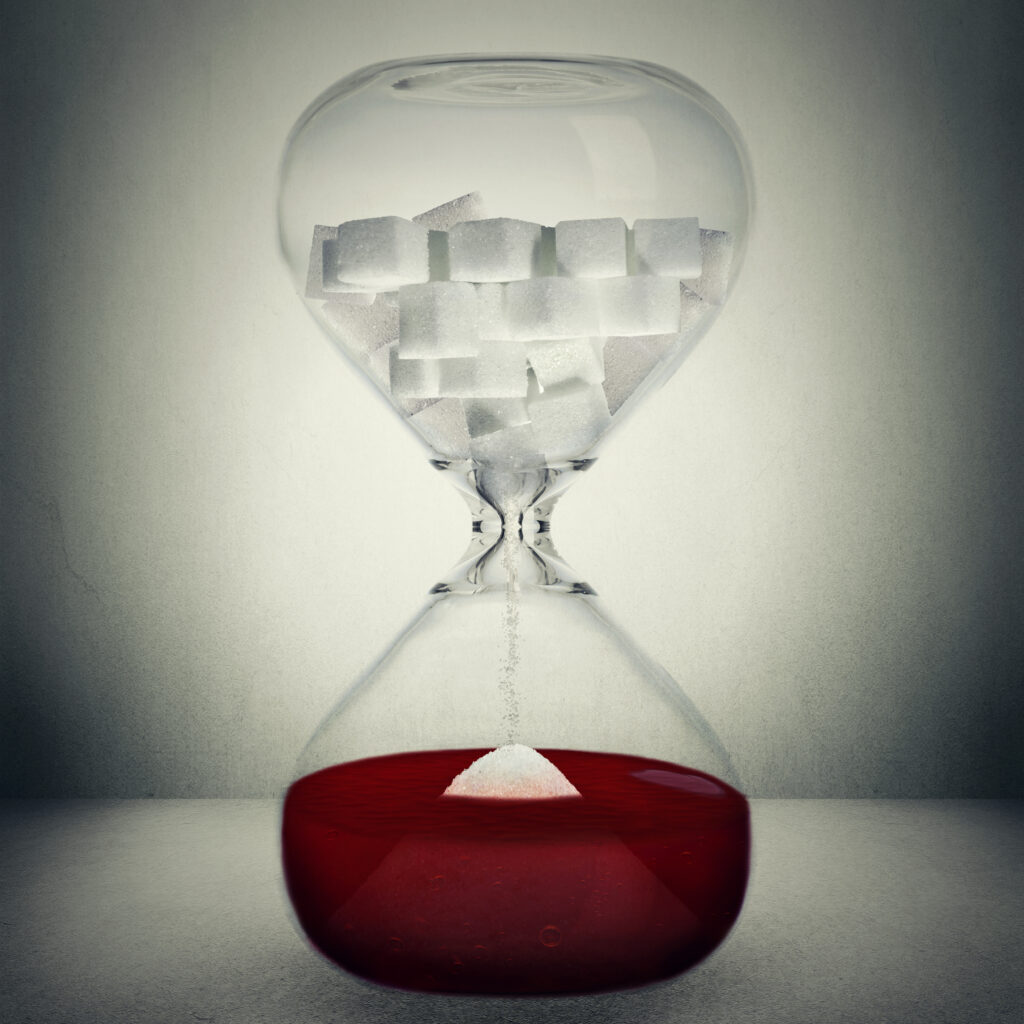
Written By: Jack Riess NASM Certified Personal Trainer and Life Long Researcher of Health and Longevity. In a world where we are increasingly paying attention to what we eat, the idea of focusing on the order in which we consume our food might seem novel, even revolutionary. Welcome to the intriguing world of meal sequencing. […]

Written By: Jack Riess NASM Certified Personal Trainer and Life Long Researcher of Health and Longevity. In today’s fast-paced, always-connected world, the practice of mindfulness has become a beacon for those seeking respite from the constant onslaught of information and distractions. From Silicon Valley to the world of sports, mindfulness is being adopted as a […]
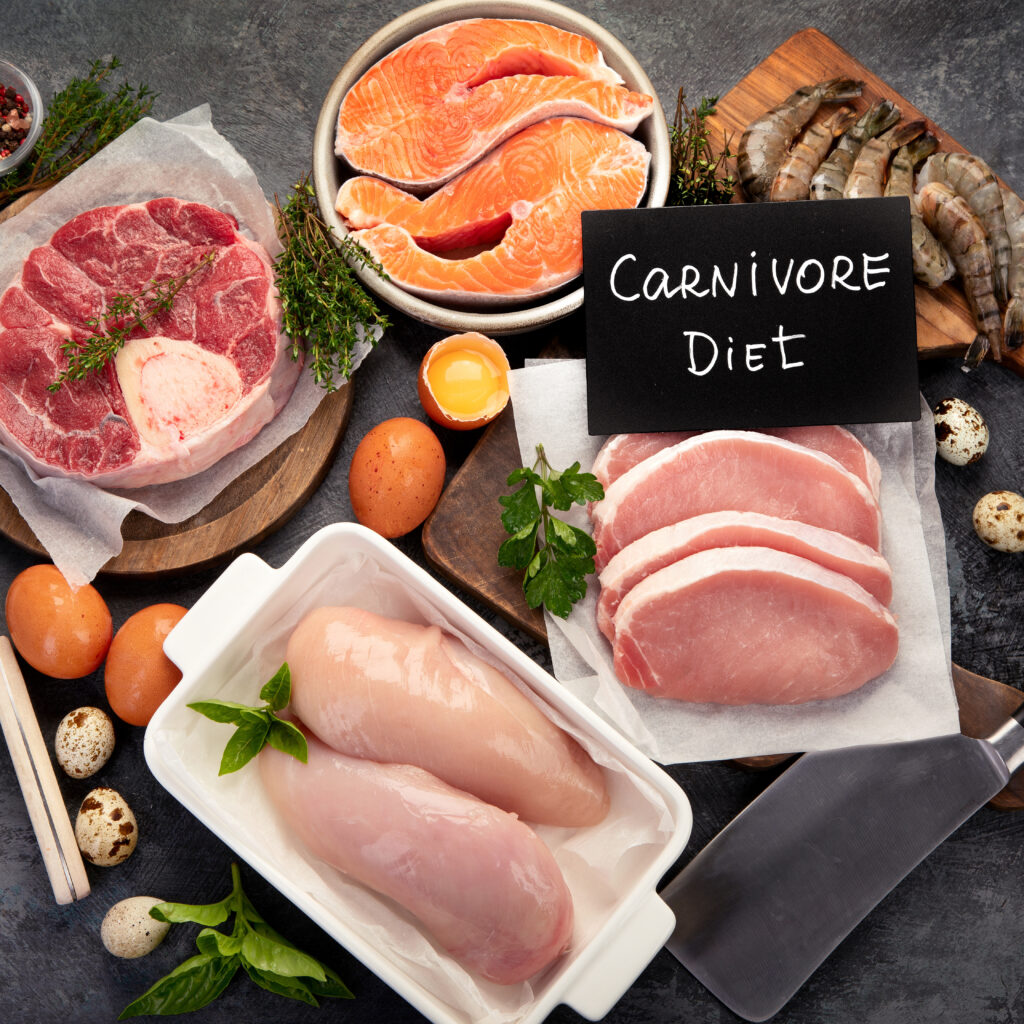
Written By: Jack Riess NASM Certified Personal Trainer and Life Long Researcher of Health and Longevity. Welcome to the fascinating world of diet and nutrition, where new eating habits emerge, each promising to revolutionize your health and well-being. Today, we’re focusing on one such contender that’s been stoking intrigue and controversy in equal measure – […]

Written By: Jack Riess NASM Certified Personal Trainer and Life Long Researcher of Health and Longevity. Appetite—the feeling of hunger or desire to eat—plays a crucial role in how we manage our weight Like the fuel gauge in a car, it signals when it’s time to refuel our bodies. But unlike a car’s straightforward fuel […]

Written By: Jack Riess NASM Certified Personal Trainer and Life Long Researcher of Health and Longevity. Think of metabolism as the engine in your body’s car. Like any engine, it keeps your body running smoothly and efficiently. But unlike a car, which typically burns just one type of fuel, your body is a little more […]
Written By: Jack Riess NASM Certified Personal Trainer and Life Long Researcher of Health and Longevity. In the great arena of soda pop, there has always been a fierce competition: regular soda versus its diet counterpart. Each can has sparked countless discussions and debates, with a particular spotlight on the world-renowned Coca-Cola, or as it’s […]
Written By: Jack Riess NASM Certified Personal Trainer and Life Long Researcher of Health and Longevity. The world of cannabinoids is a fascinating realm waiting to be discovered. Many of us are familiar with the rock stars of the cannabinoid family: CBD (Cannabidiol) and THC (Tetrahydrocannabinol). They’ve been grabbing headlines for their ability to ease […]
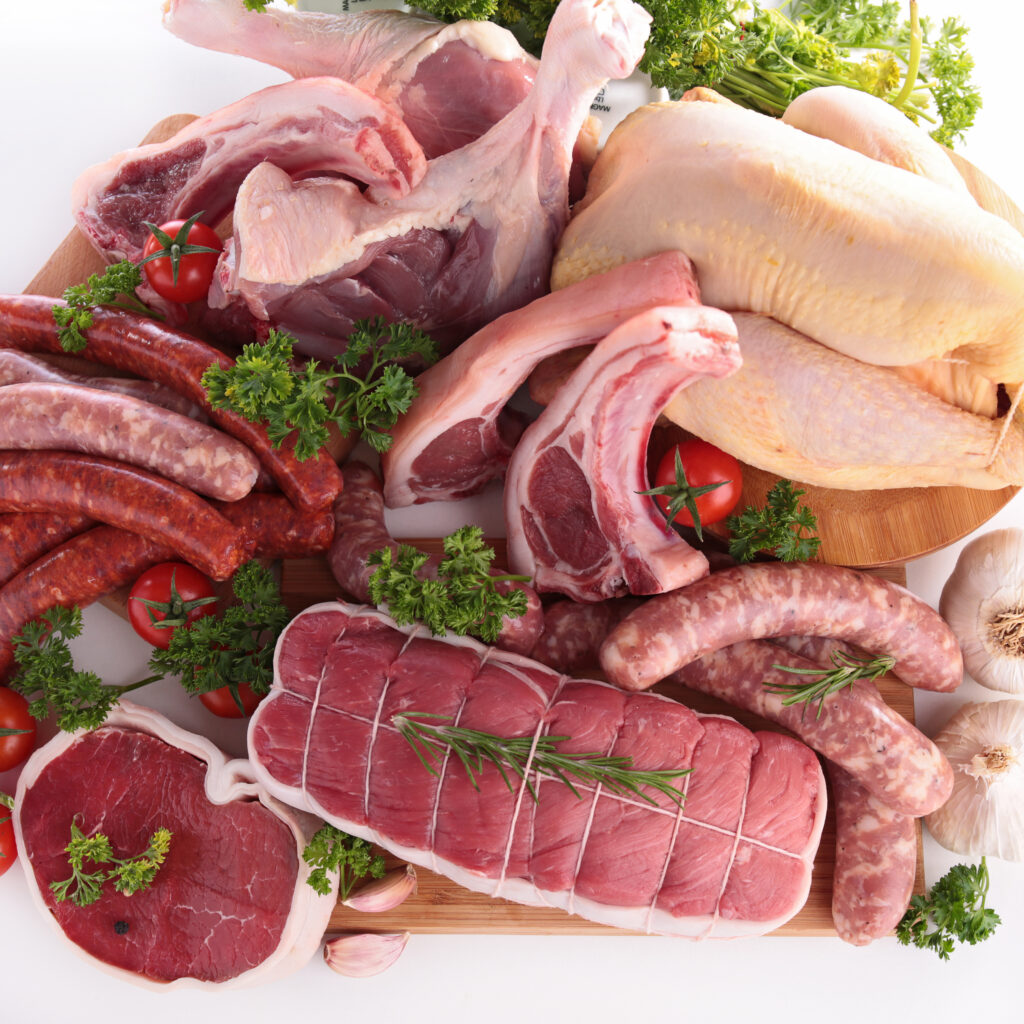
Written By: Jack Riess NASM Certified Personal Trainer and Life Long Researcher of Health and Longevity. Hello, friendly food explorers! Today we’re diving into a big, juicy topic that’s sizzling with debate: the meat-based diet versus the vegetarian diet. Ever tried to find the “best” way to eat? It’s like being in a noisy playground […]

Written By: Jack Riess NASM Certified Personal Trainer and Life Long Researcher of Health and Longevity. Let’s play a little guessing game. What do soda, cookies, ketchup, and even your favorite granola bar all have in common? If you thought ‘sugar’, you hit the jackpot! It’s no secret that sugar is everywhere in our diets, […]

Written By: Jack Riess NASM Certified Personal Trainer and Life Long Researcher of Health and Longevity. When it comes to losing weight, you’ve probably heard the saying “one size does not fit all.” That’s because weight loss is a complex process, influenced by a variety of factors that vary significantly from person to person. It’s […]
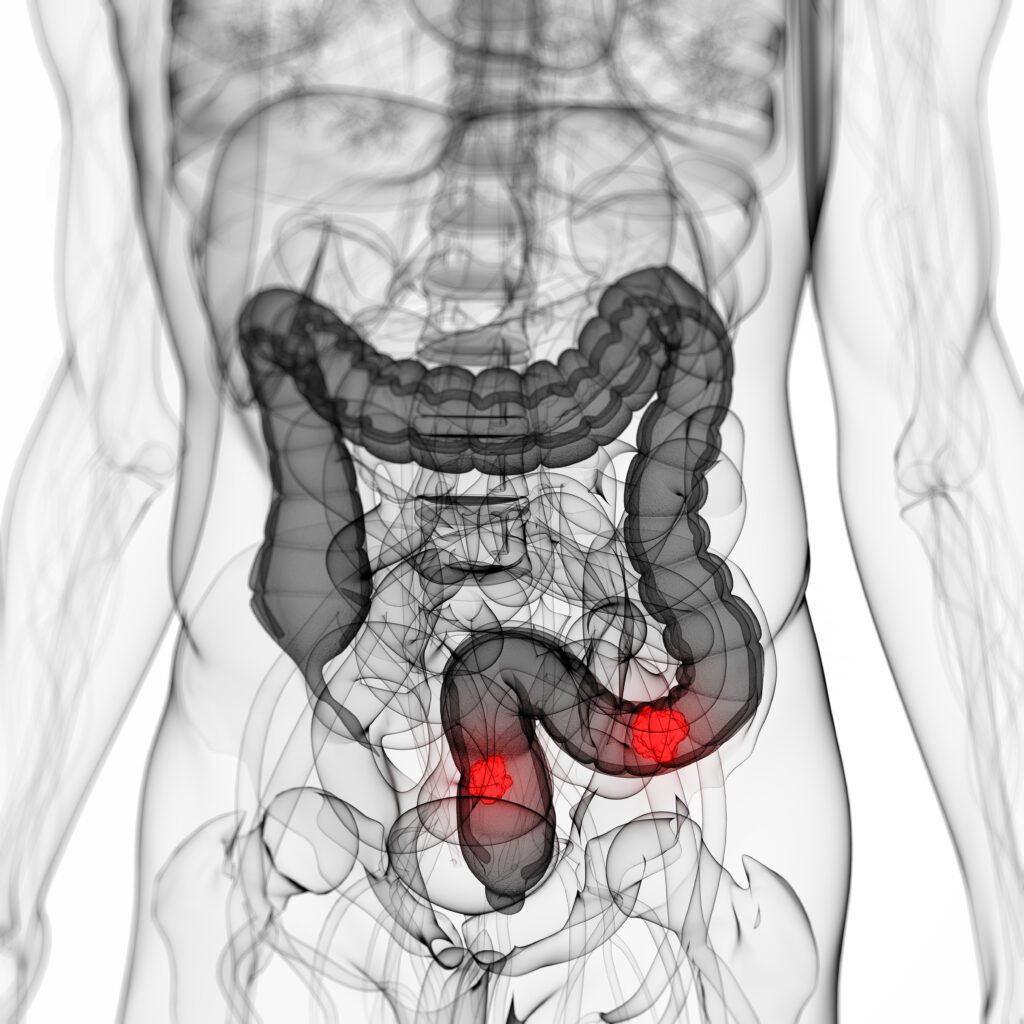
Written By: Jack Riess NASM Certified Personal Trainer and Life Long Researcher of Health and Longevity. Hey, there’s this sneaky cancer, you’ve probably heard of it – it’s called colorectal cancer. It’s sneaky because it often doesn’t show signs until it’s already up to no good. It’s the third most common bad guy out there […]
Written By: Jack Riess NASM Certified Personal Trainer and Life-long Researcher of Health and Longevity. Have you ever wondered about the kind of food you eat every day? Imagine a giant plate loaded with hamburgers, french fries, soda pop, and maybe a piece of cake for dessert. Yummy, right? But, oh dear! This meal is […]

Written By: Jack Riess NASM Certified Personal Trainer and Life Long Researcher of Health and Longevity. Welcome to the mystical world of the Himalayas – a place where nature’s grandeur is on full display, from the highest peaks touching the skies to a rich diversity of flora and fauna that inspires awe. Today, we explore […]
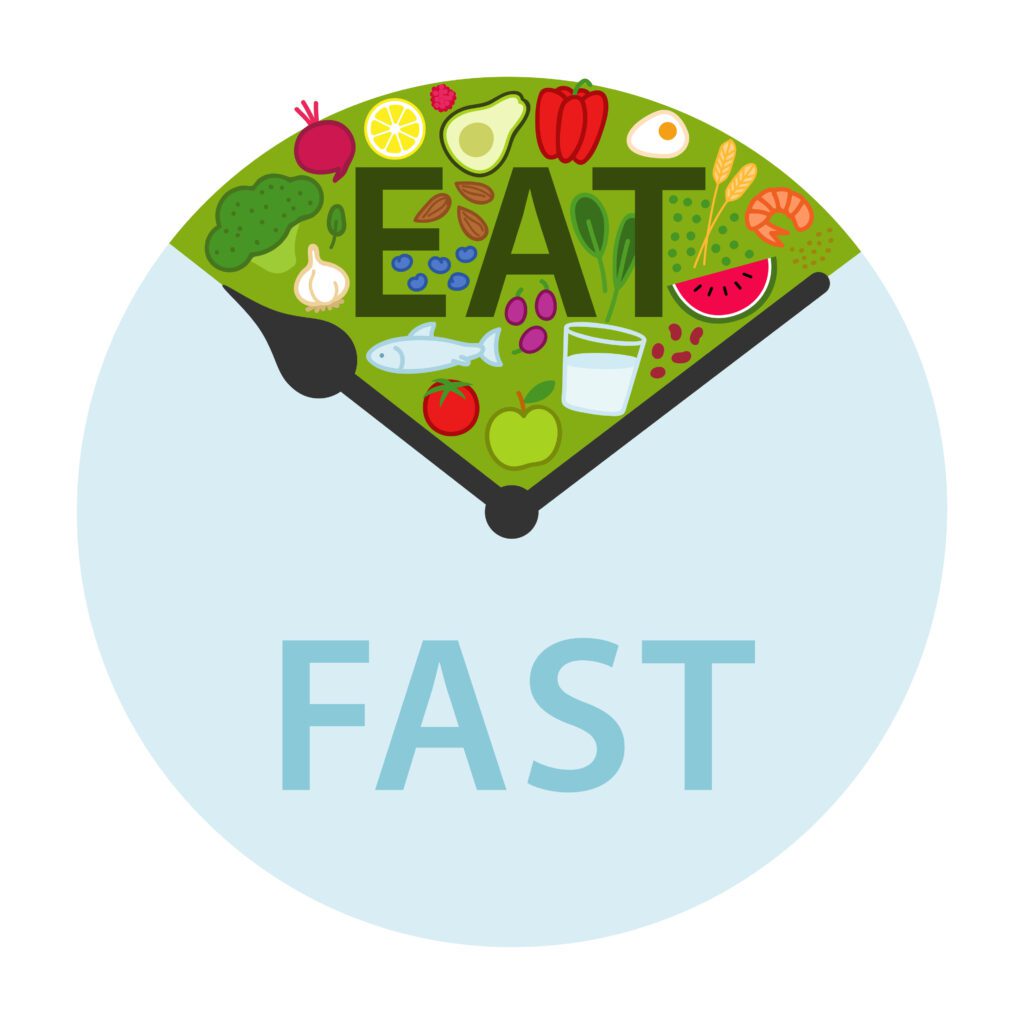
Written by: Jack Riess NASM Certified Personal Trainer and Lifelong Researcher of Health and Longevity. The Interplay of Intermittent Fasting and Exercise Embracing a healthy lifestyle involves making informed decisions about your diet and fitness regimen. Two practices, intermittent fasting and exercise, have gained considerable attention in recent years for their transformative health benefits. When […]

Written by: Jack Riess, NASM Certified Personal Trainer and Life-long scholar of Health/Longevity Research. In our fast-paced digital age, a silent crisis is looming over men worldwide. Testosterone, the hormone that defines manliness and masculinity, is on the decline. Men today have testosterone levels that are significantly lower than those of their fathers and grandfathers […]
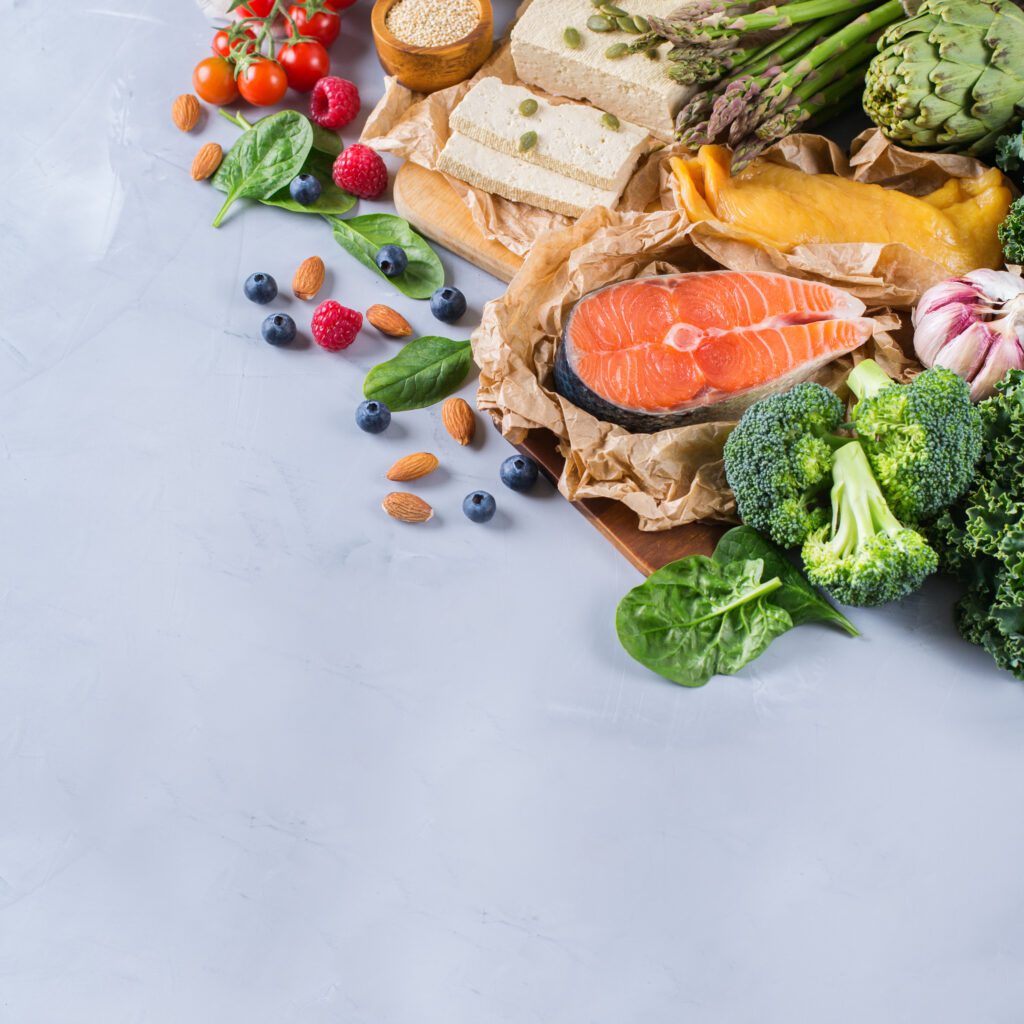
Written by: Jack Riess, NASM Certified Personal Trainer and Life-long scholar of Health/Longevity Research. Many foods prevalent in our diets can sabotage our weight loss efforts due to their high calorie content and lack of nutritional value. Understanding which foods to avoid can accelerate your weight loss journey and foster better health. Processed foods, saturated […]

Written by: Jack Riess, NASM Certified Personal Trainer and Lifelong Scholar of Health and Longevity Research. In 1985, Harvey and Marilyn Diamond unveiled a revolutionary approach to weight loss and health in their best-selling book “Fit For Life.” The Diamonds emphasized the power of correct food combinations, promoting rapid weight loss and heightened energy levels. […]

Written by: Jack Riess, NASM Certified Personal Trainer and Lifelong Scholar of Health and Longevity Research. Hang on… it’s not exactly a pharmaceutical… but if it were, it would undoubtedly outshine every weight loss medication in history without costing a dime. We’re talking about – H2O! Water isn’t just a parched palate’s solace. It’s integral […]

Written by: Jack Riess, NASM Certified Personal Trainer and Lifelong Scholar of Health and Longevity Research. Looking for an effective strategy for weight loss and better nutrition? Consider integrating ‘negative calorie Nutrition’ foods into your diet. Dense with nutrients and fiber yet low in calories, these foods can assist in regulating hunger, enhancing nutrition, and […]

Written by: Jack Riess Certified NASM Personal Trainer and Lifelong Research of Health and Longevity Research Are you a food lover constantly seeking the perfect balance between delectable flavors and healthy choices? If the thought of a creamy pasta or a cheesy pizza slice makes you feel guilty, it’s time to change your perspective on […]
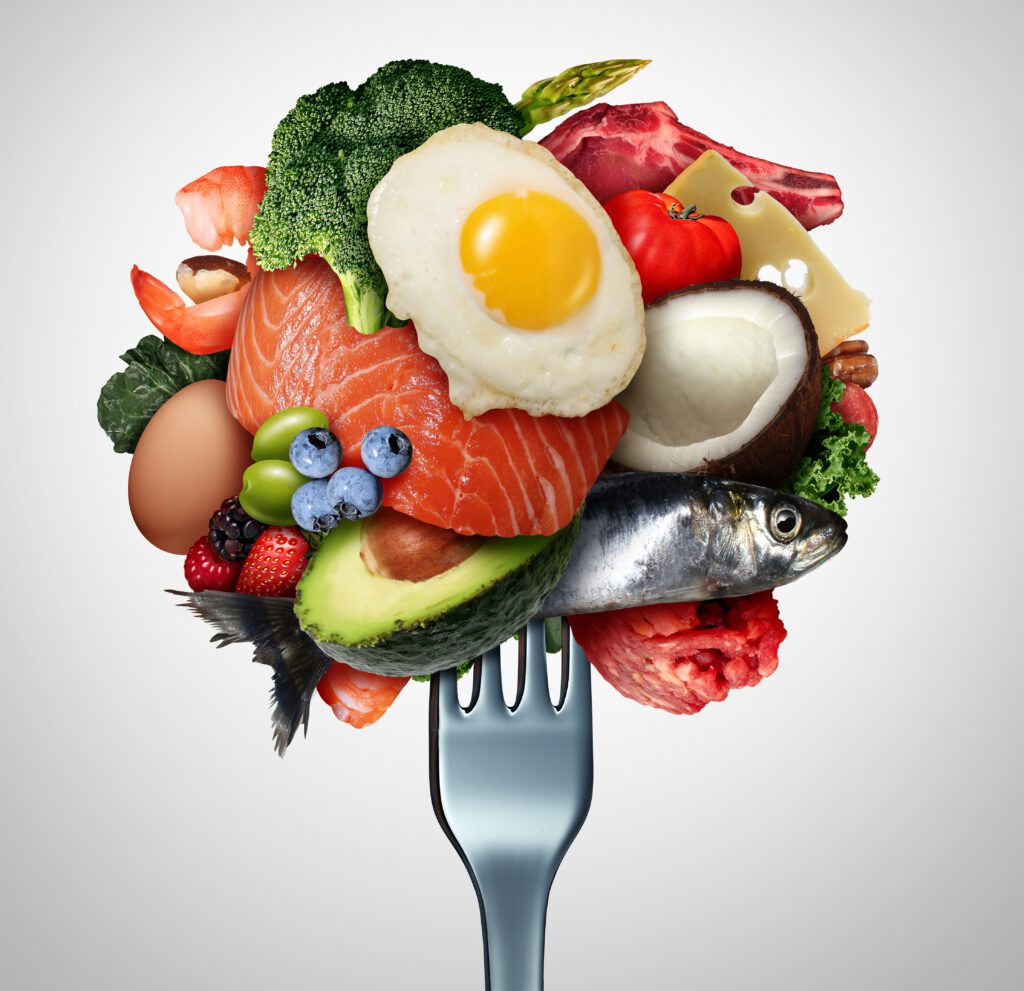
Written by Jack Riess: Certified NASM personal trainer and lifelong scholar of health and longevity research. In the dynamic realm of health and wellness, the role of diet is paramount on our weight loss journey. Each year, we witness the rise of different diets, each heralding its unique approach to nutrition and calorie control. In […]

Written by Jack Riess: Certified NASM personal trainer and lifelong scholar of Health and Longevity research. The Detached Modern Diet There’s no denying that we’ve disconnected from the true essence of our Food. Our meals today are far removed from their plant and animal origins, and the traditions that gave them life. Highly processed foods, […]

Exposure to certain types of plastics and materials containing potentially harmful compounds known as Endocrine Disrupting Chemicals (EDCs) or “Xenoestrogens,” is becoming an increasingly pressing issue. Research suggests these chemicals can lead to serious health concerns, including diabetes, obesity, reproductive issues, and neurological problems. EDCs or xenoestrogens are worrisome because they imitate hormones in our […]
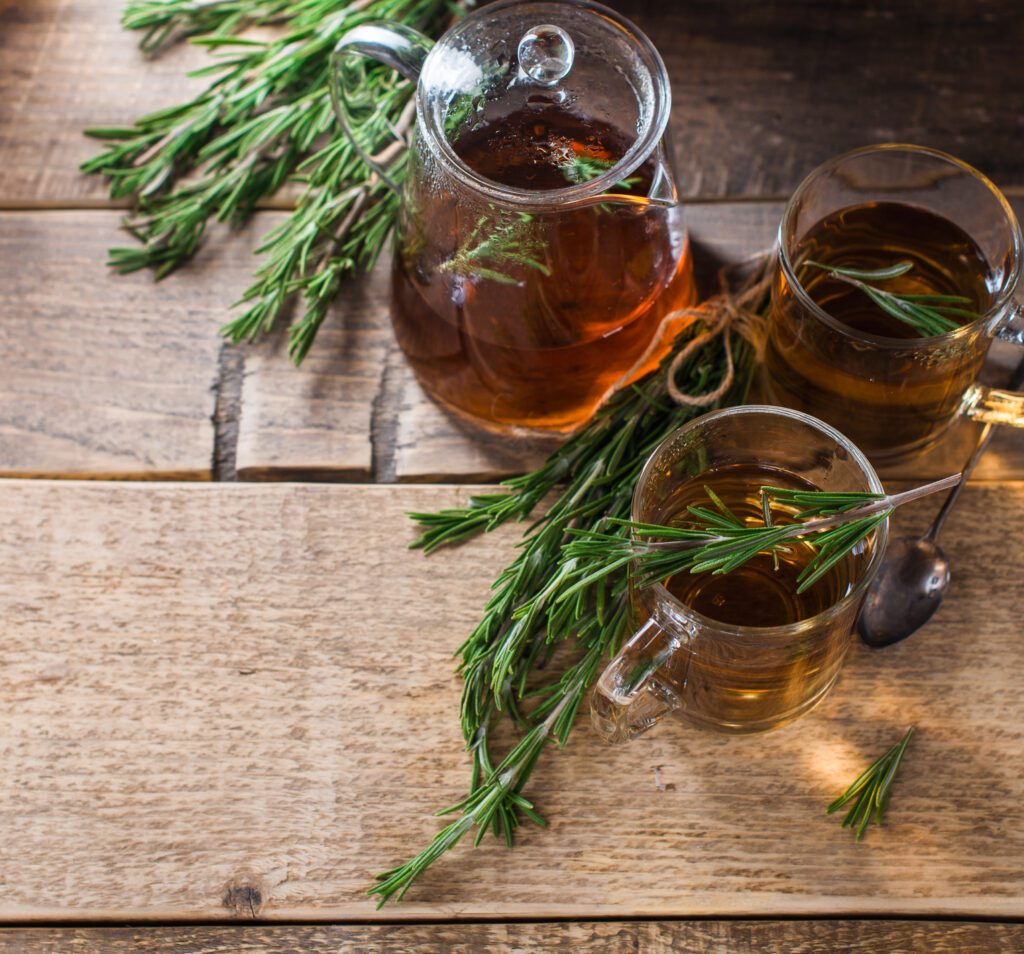
Written By: Jack Riess, certified NASM personal trainer and lifelong scholar of health/longevity research. Discovering kombucha, the effervescent, tangy and slightly sweet beverage, a decade ago was nothing short of a revelation. Ever since, I’ve been hooked to this flavorful drink which rejuvenates me and injects a dose of vigor into my daily routine. The […]
Written By Jack Riess: NASM Certified personal trainer and lifelong student of Health and Longevity research. Discover a world of taste and nutrition with our ultimate guide to superfoods. These nutrient-dense powerhouses can kickstart your weight loss journey, offering a myriad of health benefits. In this comprehensive guide, we’ll delve into the specifics of 21 […]
Written by Jack Riess, NASM certified personal trainer and longtime student of health and longevity. Weight loss is a common goal for many individuals, and various medications and supplements claim to offer assistance in achieving this goal. However, it is crucial to approach these options with caution and seek guidance from healthcare professionals to ensure […]
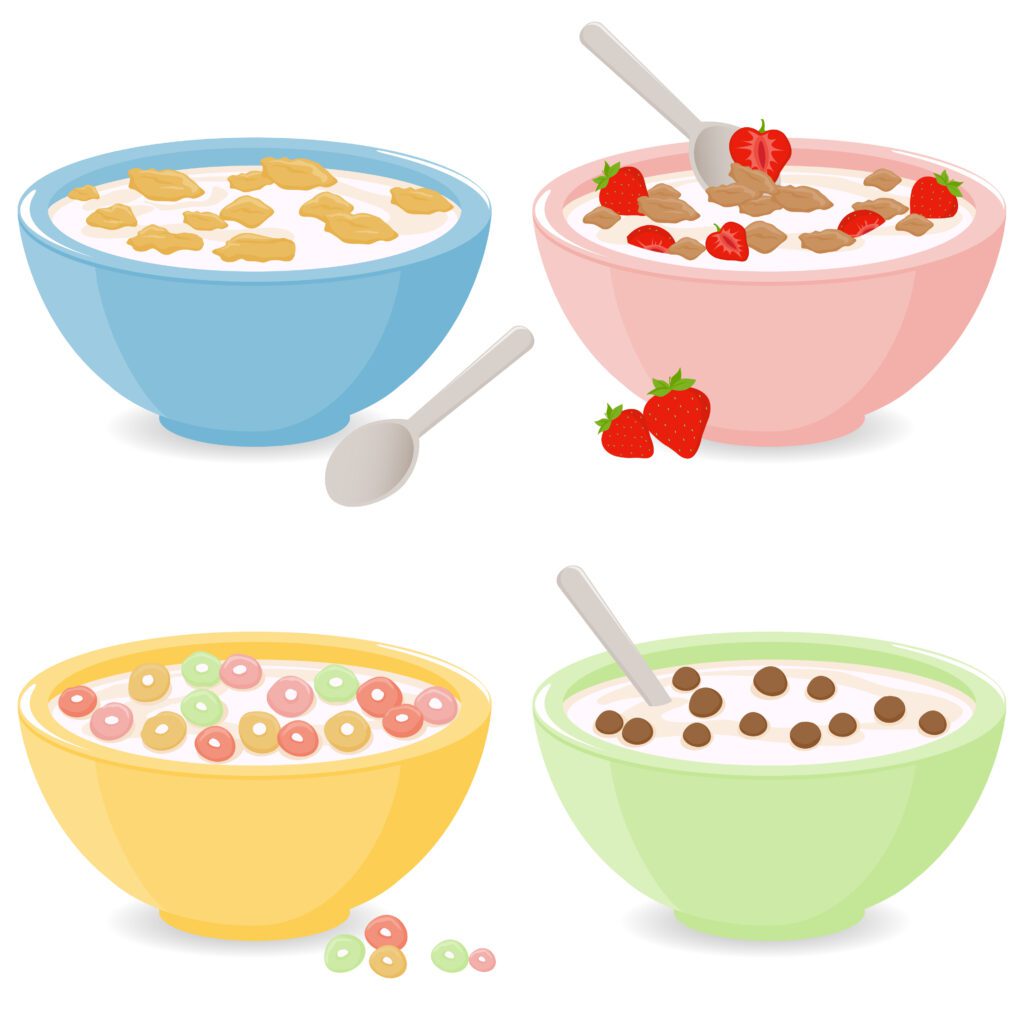
By Jack Riess – Certified NASM Personal Trainer and Author of Best-Sellers: The Hip Fix, The Bakc Fix, Perfect Posture Does your breakfast betray you? Many believe that their first meal of the day, particularly cereal, is a healthy choice. But dig a little deeper and you’ll find this morning routine could be harming you. […]
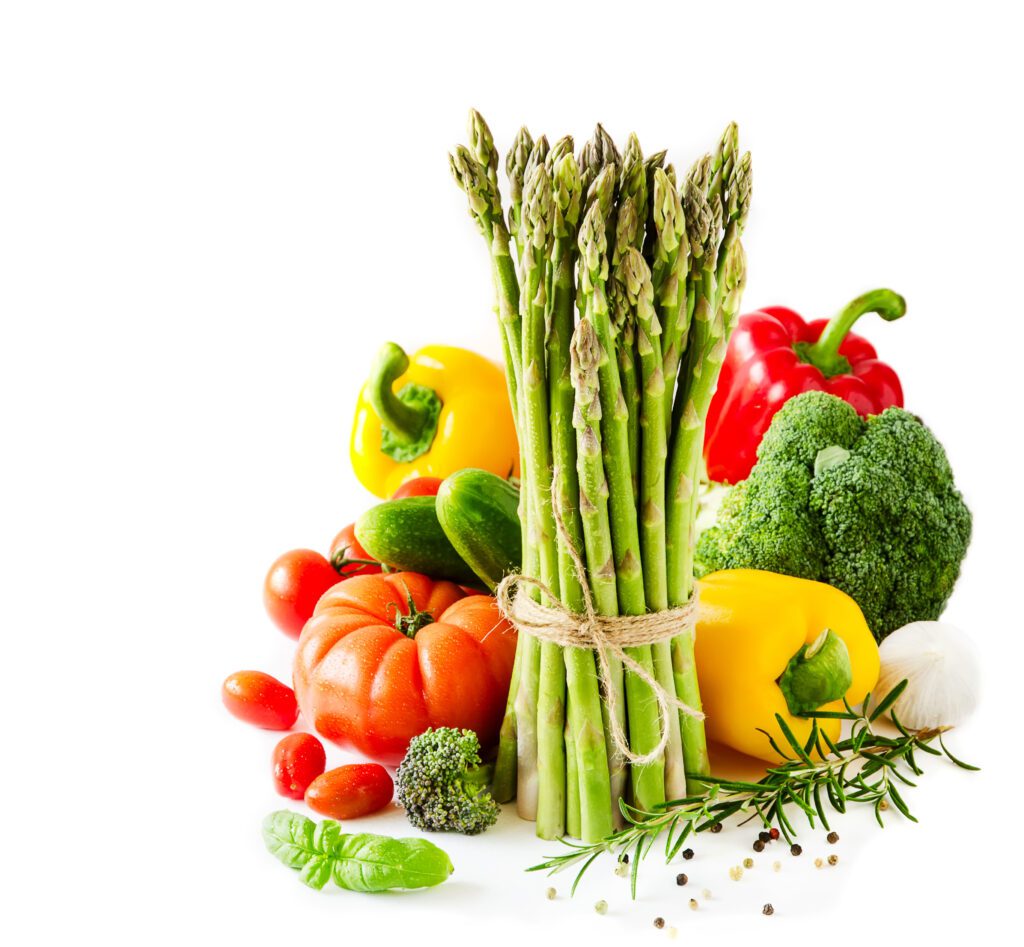
Did you know that a handful of specific vegetables can trigger the fat burning mechanism, specifically targeting abdominal fat? This may come as a surprise… By Jack Riess, also known as ‘The Diet Detective’, acclaimed author: The Back Fix, The Hip Fix, Perfect Posture Sleek, slender abs – Could you imagine that a particular group […]

By Jack Riess, NASM, Certified Personal Trainer, and Author of The Back Fix, The Hip Fix, and Perfect Posture. A startling insight from a distinguished nutrition guide made me pause in surprise… However, before we delve into the details, here’s a fascinating fact that needs your attention. Our ancestors have historically derived nourishment from nearly […]
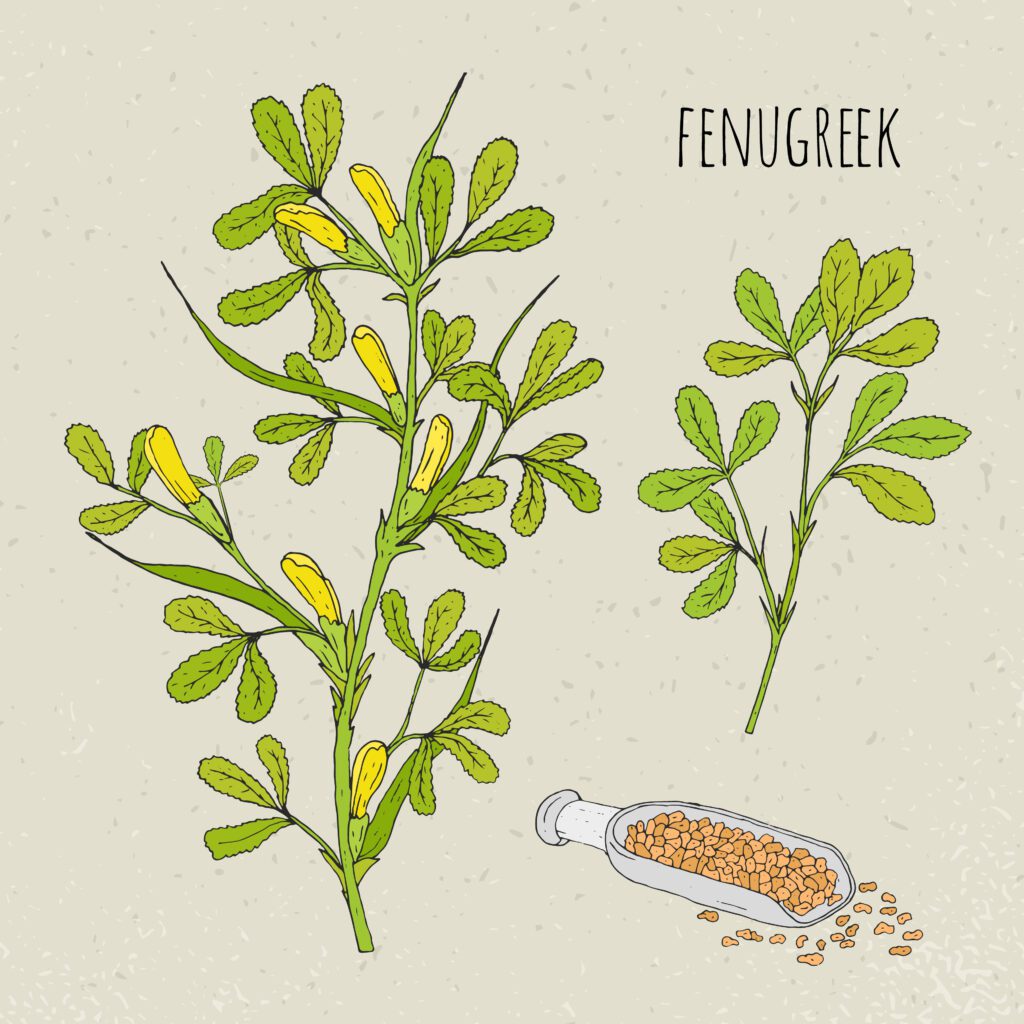
Author: Jack Riess, acclaimed author of best-sellers: The Hip Fix, The Back Fix, Perfect Your Posture. Let’s talk about a wonder-spice that’s probably already making your meals tastier – Fenugreek! A star in Indian and Mediterranean cuisine, this magic spice boasts impressive health benefits, including controlling blood sugar, battling inflammation, and even spicing up your […]

And a HEAP more health benefits from this high-antioxidant superfood! By: Jack Riess Co-author of the best-sellers: The Hip Fix, The Back Fix, Perfect Posture. This ONE Low Carb Snack Can Boost Your Health, Ward off Alzheimer’s, Help You Lose Weight AND Keep You Young! You’ve seen them in pancakes, muffins, in salads, and desserts, […]
Ozempic (semaglutide) is a medication used for the treatment of type 2 diabetes and obesity. While it is generally well-tolerated, like all medications, it can cause side effects. Some of the potential side effects of Ozempic are listed below: It is important to note that not everyone who takes Ozempic will experience these side effects, […]
Ozempic is a medication that has been approved by the FDA for the treatment of type 2 diabetes and obesity. It has been shown to be effective in reducing blood sugar levels, improving glycemic control, and inducing weight loss. However, one of the side effects of Ozempic is the reduction of lean muscle mass. In […]
Weight loss can be a challenging journey, and many people turn to prescription medications to help them achieve their goals. Ozempic is a popular medication that has been shown to help with weight loss by suppressing appetite and promoting satiety. However, like any medication, it comes with its own set of pros and cons. Pros […]

Once a decorated soldier, Jack had spent years serving his country on the battlefield. He had seen the best and the worst of humanity, and though he had returned home with medals of honor, they came at a cost. The physical strain of his service had left him with debilitating pain in his hips, knees, […]












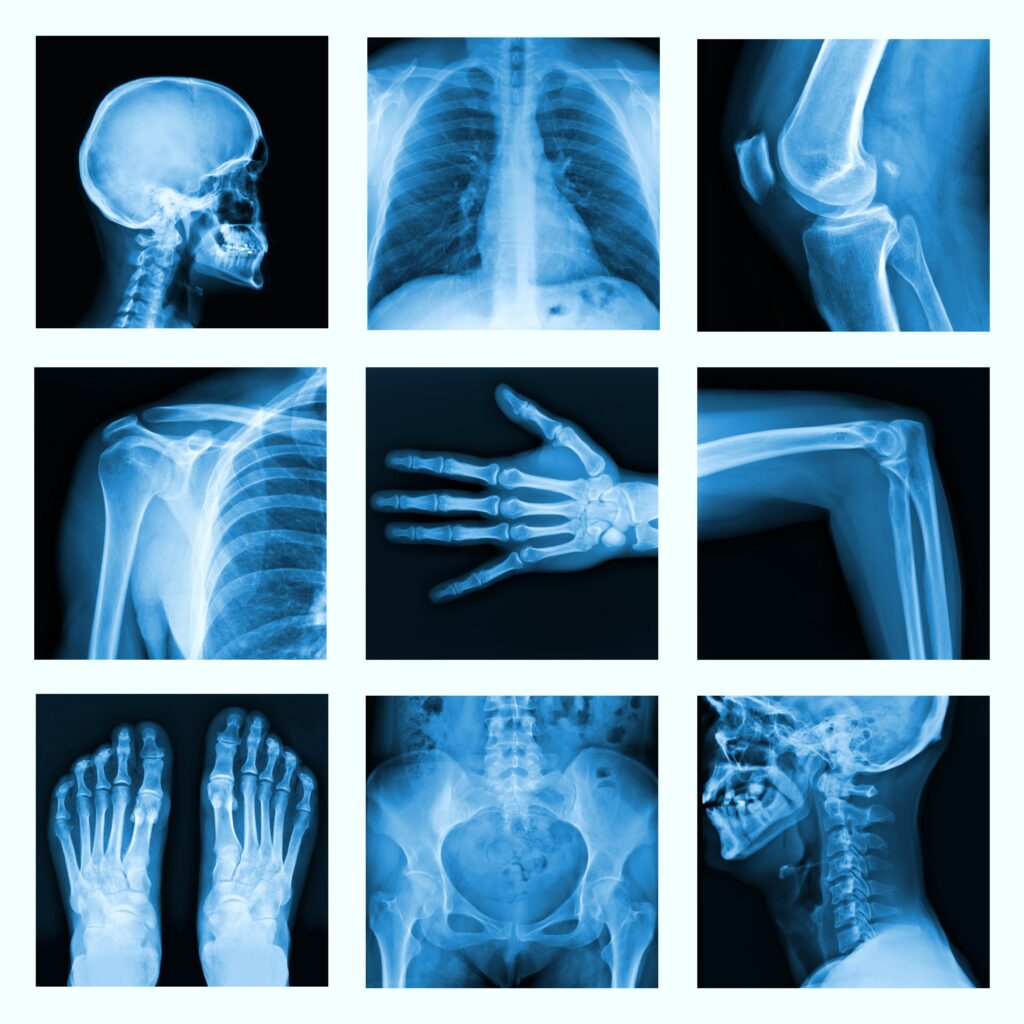

Insider’s Health EXCLUSIVE:





It is important to seek help upon the earliest signs of OCD and eating disorders. In a strange story, a 40-year old woman died from dehydration and skin infection due to her untreated OCD. The woman, who showers for 20 hours a day because of her severe germ phobia, eventually refused to eat for added […]
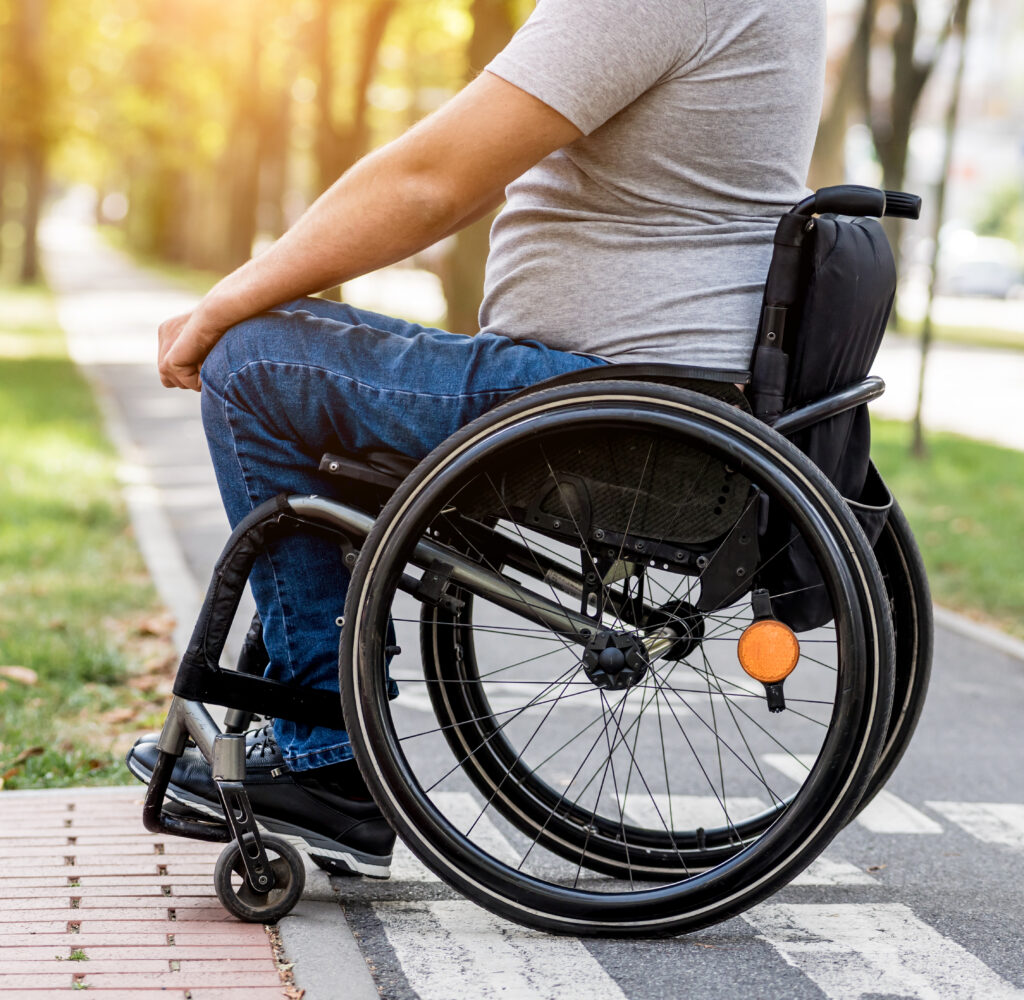
In Virginia, an unfortunate accident left a bride-to-be paralyzed forever. After being playfully pushed by one of the bridesmaids into the pool during her bachelorette party, she accidentally hit her head and sustained a C6 spinal cord injury. Meanwhile, a tattooist specializing in permanent makeup pioneered a technique called areola restoration, which is mainly geared […]
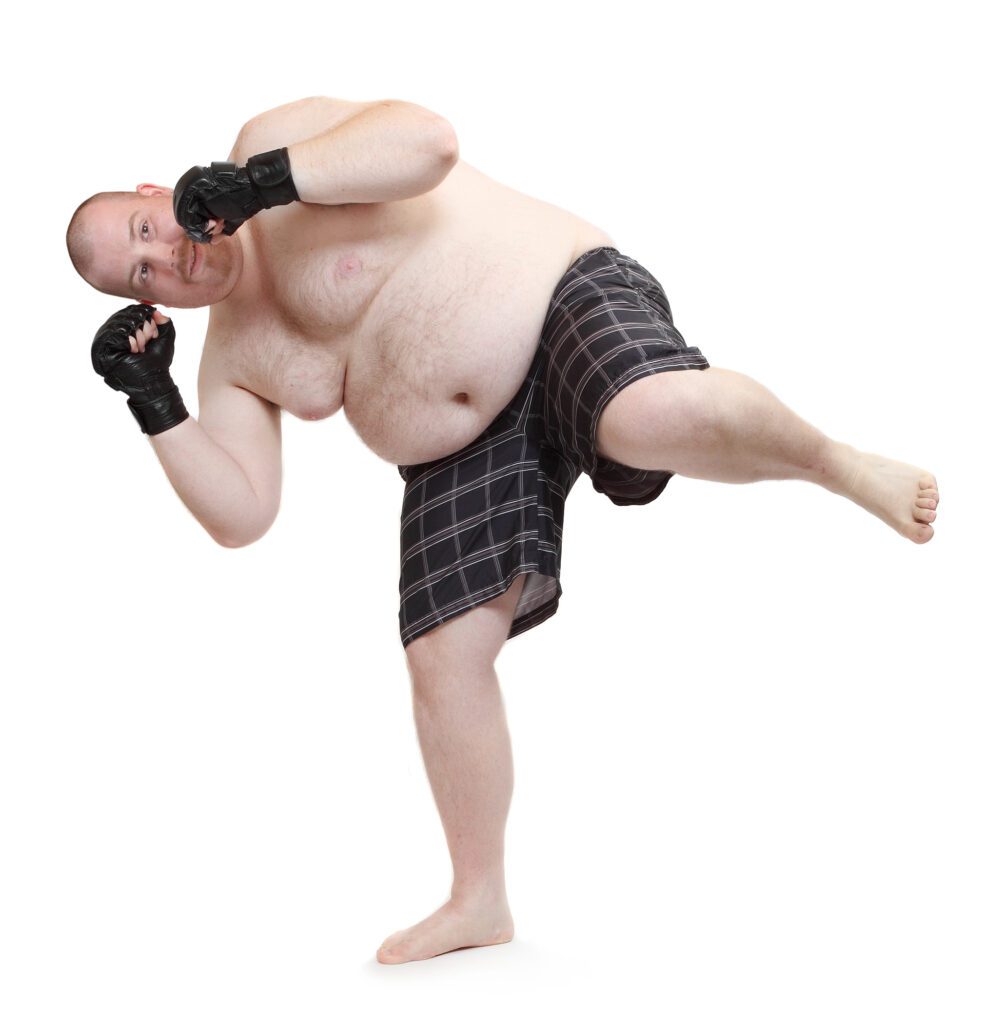
Unknown to many, obesity is possibly the biggest threat to national security. Men of service are being discharged for failing to meet military standards, which are not even too demanding. Male recruits are required to have body fat percentage of less than 26%, which is twice the fat of a younger man in great physical […]

Suicide rates are higher by 10% in December than in any other month, brought about by feelings of loneliness, anxiety, and holiday stress. Here we discuss valuable tips on how to handle relationships, finances, and the physical demands of the holiday and keep stress levels to a minimum.

Wrapping up the two-part series of the Winter Health Guidelines, Insiders Health provides expert information on how to deal with common winter conditions, including chapped skin, colds, and fever, as well as practical tips on avoiding falls.
Insiders Health debunks some of the most popular health myths, including bread crust removal, going out in the cold with wet hair, losing 75% of your body heat through your head, and becoming smarter by eating fish!
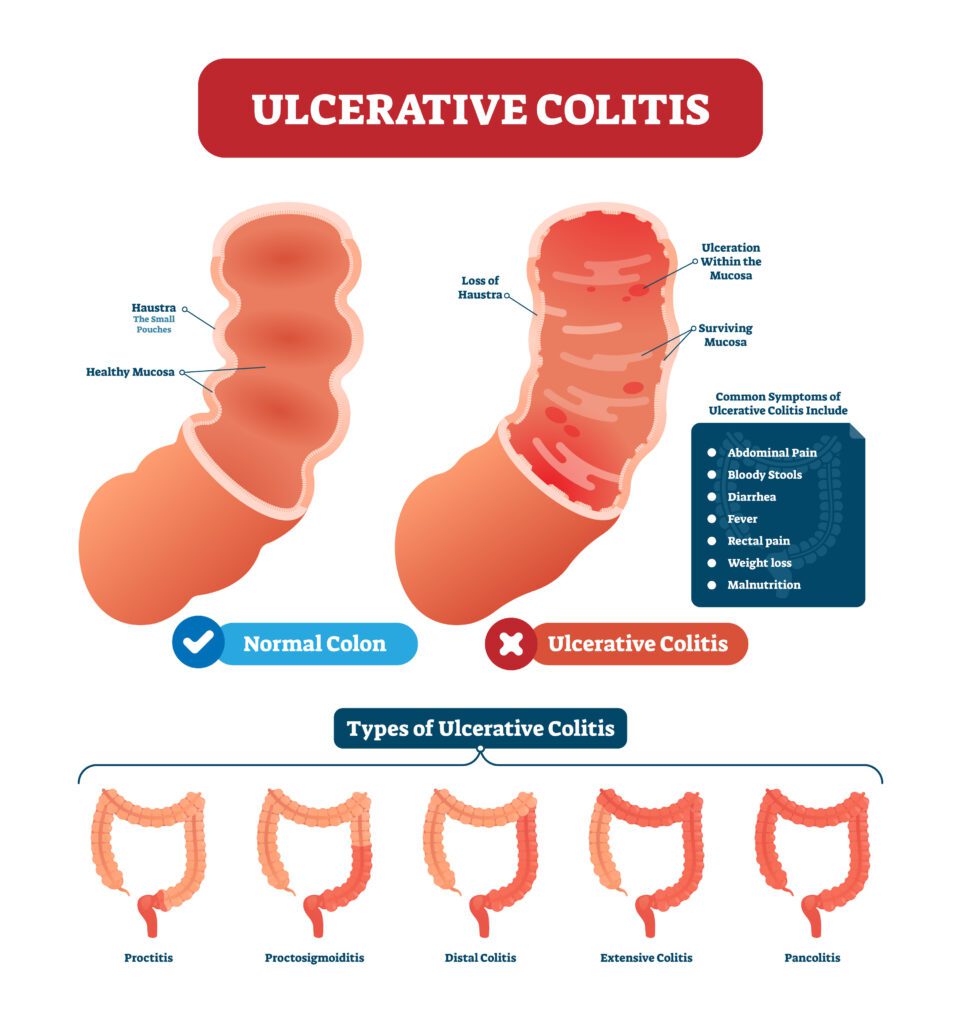
We cover the second part of the journey of the man who’s taken desperate measures to cure his Ulcerative Colitis. Travelling all the way to Thailand, he worked with a researcher who was willing to help him obtain the eggs he needed, only they were to be procured from the stool of an infected girl! […]

A well-respected pilot-cardiologist-philanthropist spent most of his life teaching and practicing surgery. Turns out, he’s actually a med school dropout! In other news, research shows that women who start working out early in their 20’s are more likely to stay fit in their 40s. Moreover, frequent 25-minute workouts are found out to be more effective […]

Insiders Health uncovers a strange case of a woman who filed a lawsuit against her surgeon. The woman claims to have passed gas during her hemorrhoid surgery, which set her genitals to flame, and blames it to the surgeon for using an alcohol-based agent. Meanwhile, a new disorder arises among the Japanese, which involved fear […]
In this 96th episode of Insiders Health TV, we reveal how men become less attracted to women in tears. Apparently, the reaction is physiological, and results from a drop in testosterone levels, which reduces men’s sex drive. So ladies, the next time your man doesn’t seem to empathize with you, don’t be quick to blame […]

7 Eleven secretly drops its 44-ounce Super Big Gulp to just 40 ounces. While the 4-ounce decrease may be a positive change towards a “healthier” direction, fighting obesity may not be the company’s primary interest as it is to save money. In other news, researchers discover a new way to recycle alcoholic and caffeine-based drinks […]

Study shows how fruits and vegetables may just give your skin a healthy tan glow. Apparently, fruits and veggies such as bell peppers, apricots, spinach, and melons are high in carotenoids, a compound that protects your skin from the sun and gives it a nice, tan look. Also, ATM’s may just top public toilets in […]
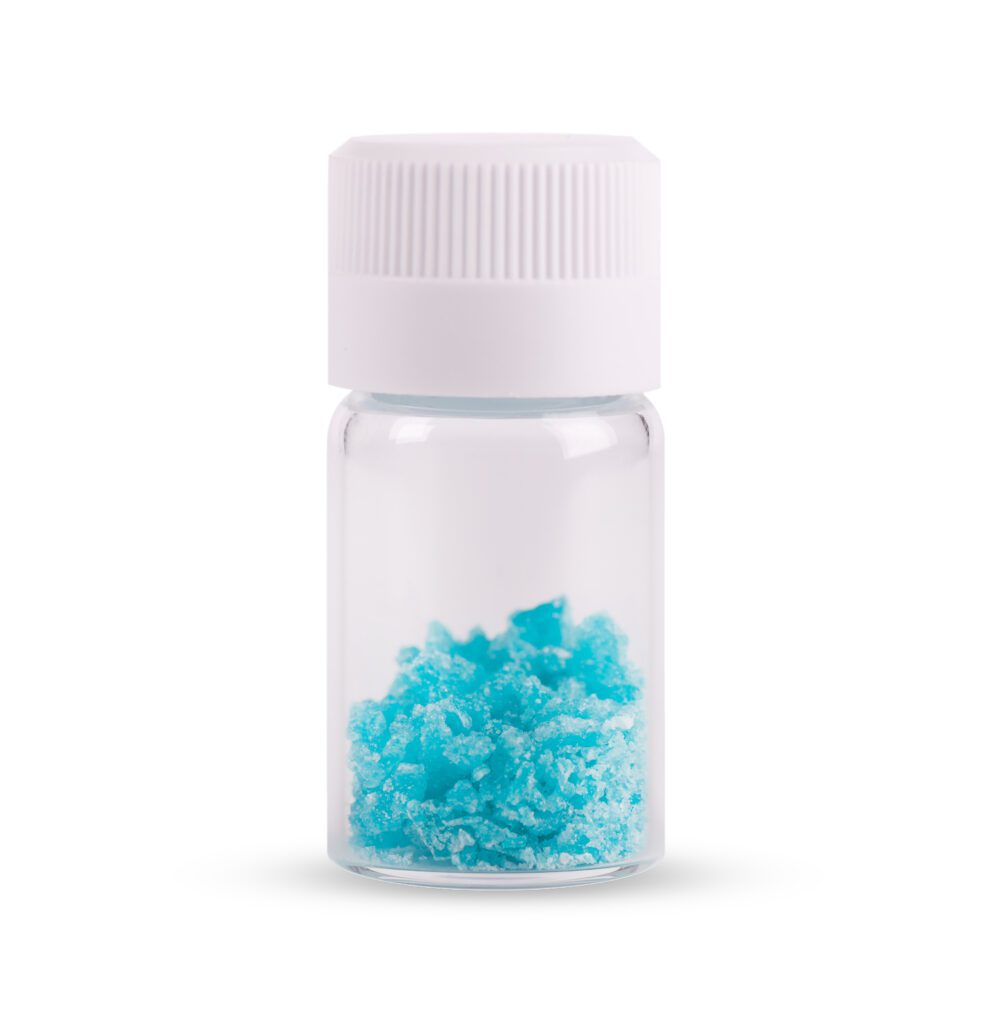
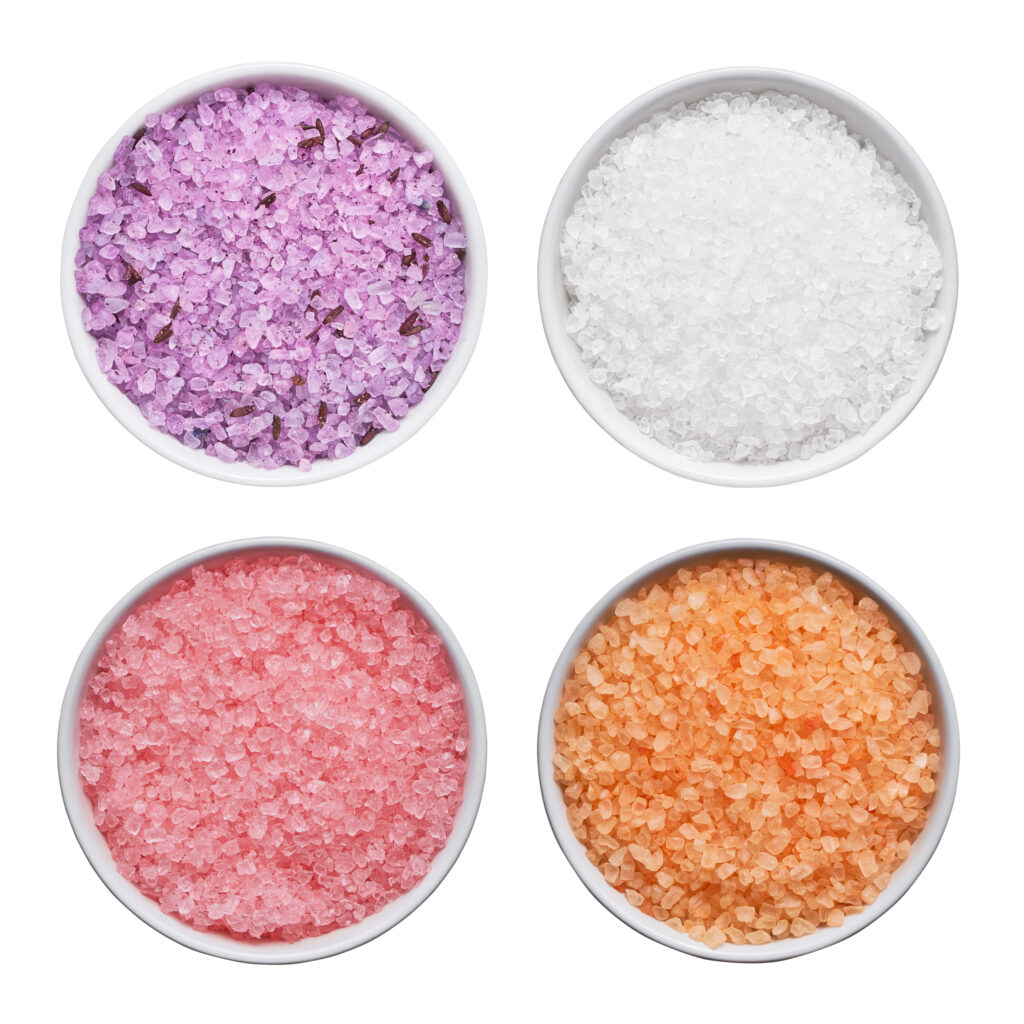
Did you know that one of the most dangerously addictive substances might be stored in your bathroom cabinet? Turns out, our favorite bath salts contain the chemical substance called MDPV, which causes rapid heart rate, paranoia, hallucinations, and even suicidal thoughts. Meanwhile, research suggests that intelligence might have a direct association with beauty. As many […]
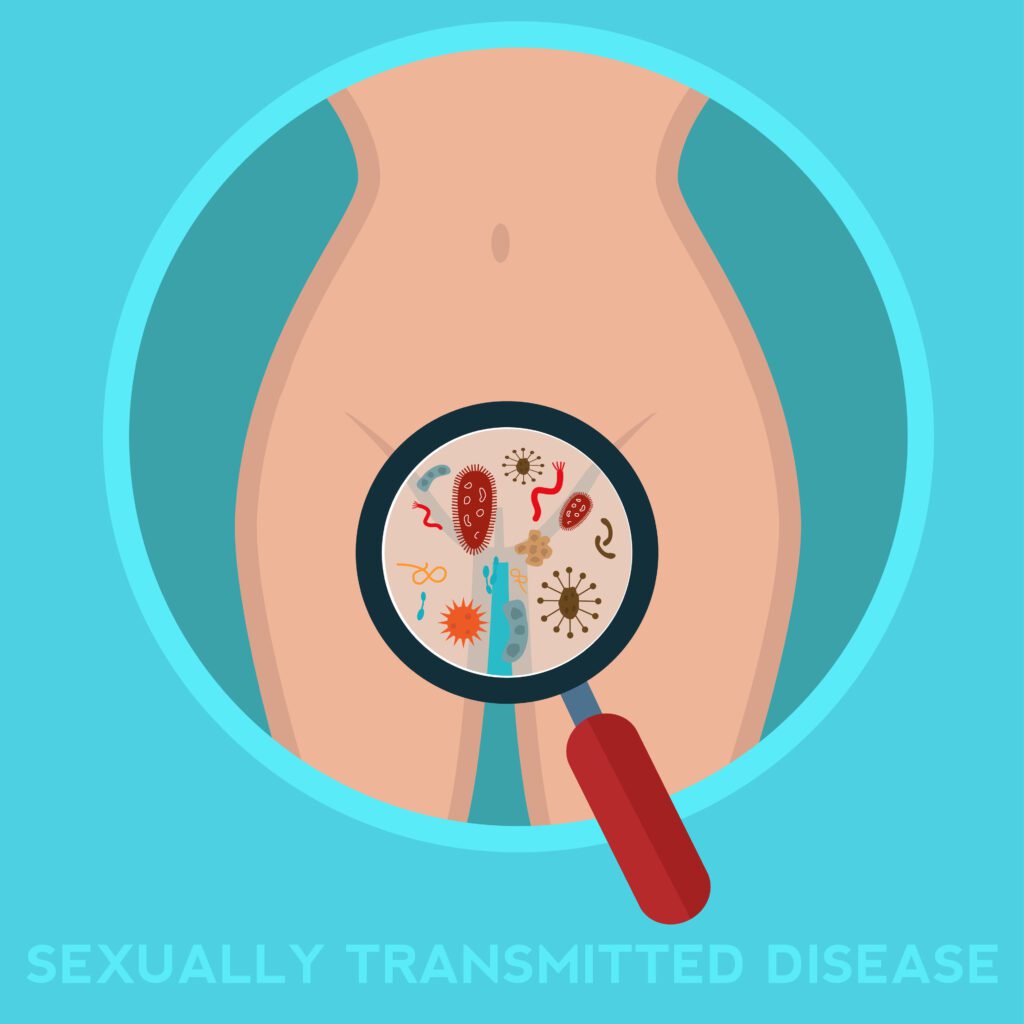
In our 105th episode, IHTV talks about STD and the apparent lying of young adults about their sex life. Unfortunately, their lack of education about safe sexual practices and the importance of testing can increase the spread of the disease. In more creepy news, a UK town hall proposes the generation of excess heat from […]
While our children find their fast food favorites like chicken nuggets, French fries, chocolate milk, and caramel dippers simply irresistible, these traditional happy meals actually make health professionals and parents “unhappy”. Today we round up a few healthy alternatives to your typical kids’ meals to get rid of the extra calories, saturated fat, and other […]
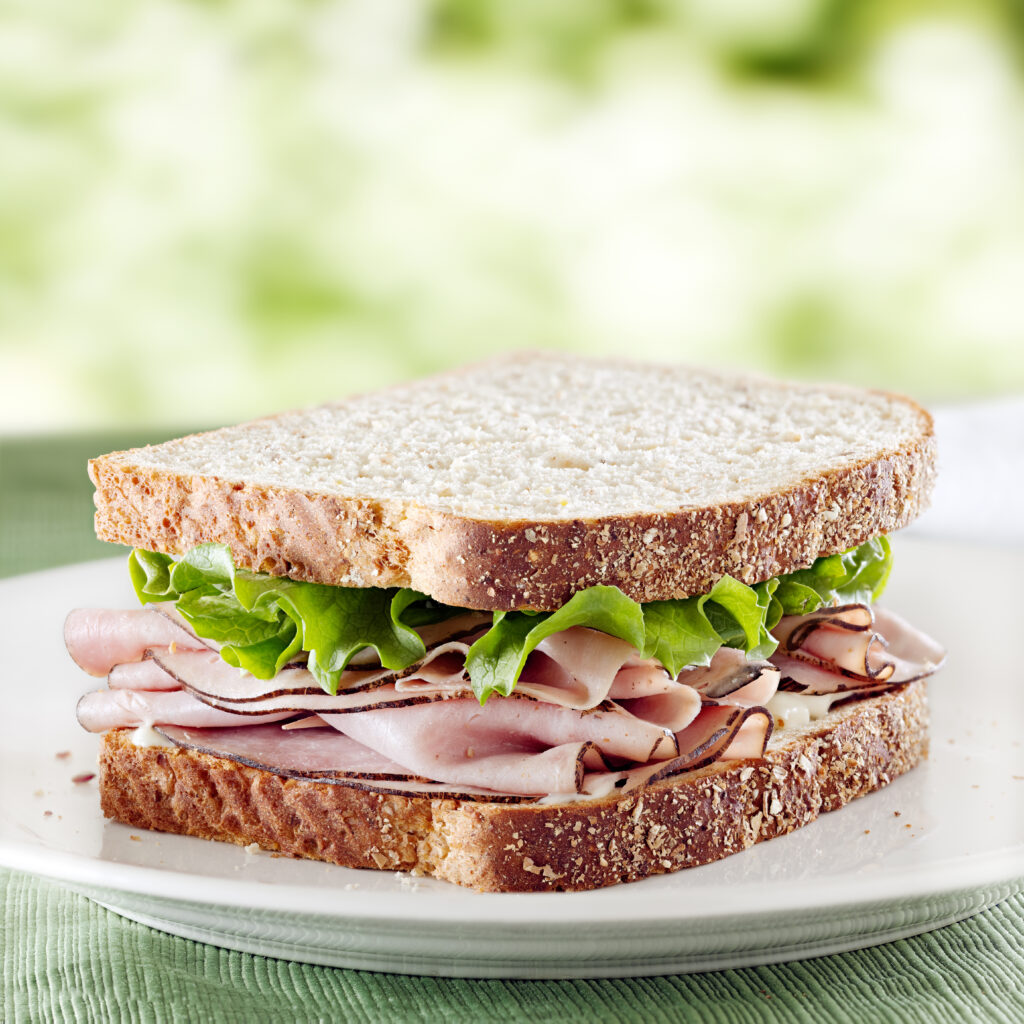
Cafe sandwiches like the roasted turkey asiago or the Mediterranean veggie sandwich are a staple to any busy office worker’s lunch, but they also happen to bring on the pounds, especially when eaten with soda and a side of chips. Find out why these gourmet belly busters pack on so many calories, and learn how […]

New study shows that babies recognize size as a sign of dominance. Apparently, most babies expect the bigger cartoon characters to win over the smaller ones. In other news, a chef comes up with two new processes for making low-calorie, vaporized food. He claims that his inventions can help satiate one’s cravings without the gaining […]
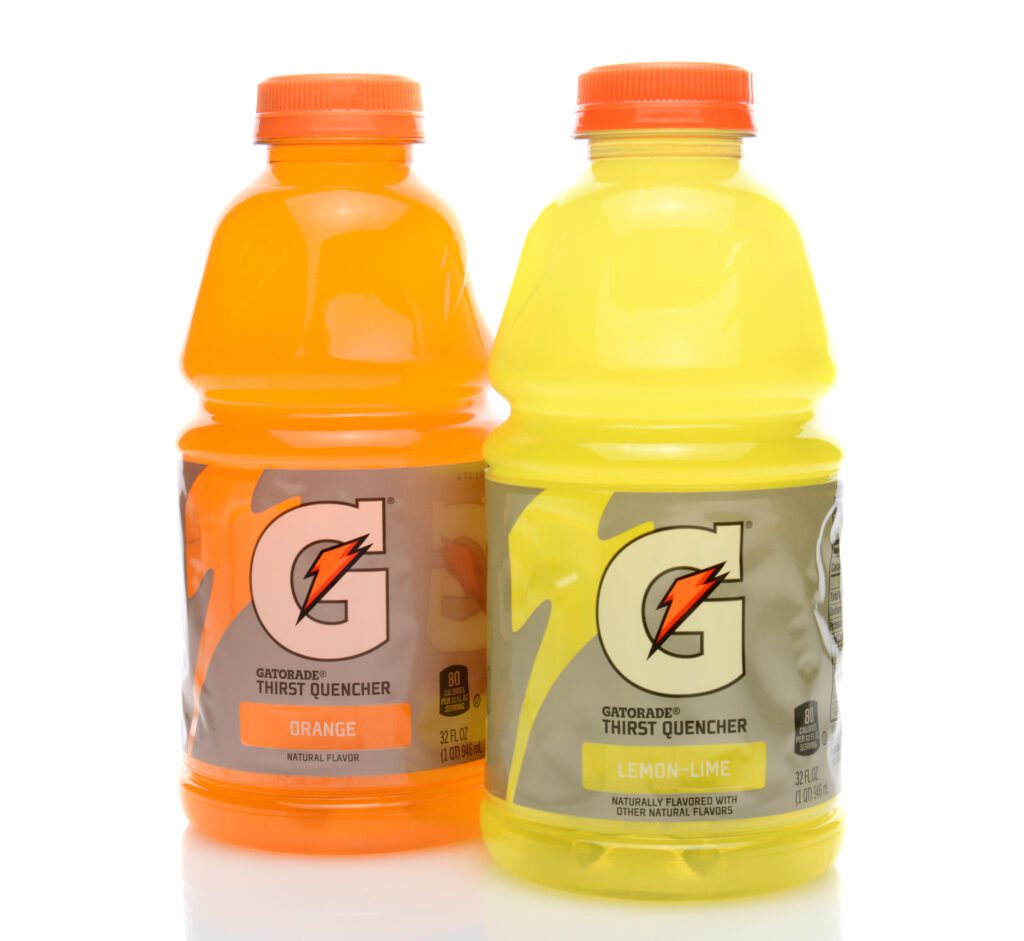
With their catchy tag lines and creative advertising, sports drinks have almost single-handedly created a culture that believes water just isn’t enough to fight dehydration. But is it true, or are we all just being told a convincing, multi-billion dollar lie? Should we believe all the hype and take all that “scientific research” as fact? […]
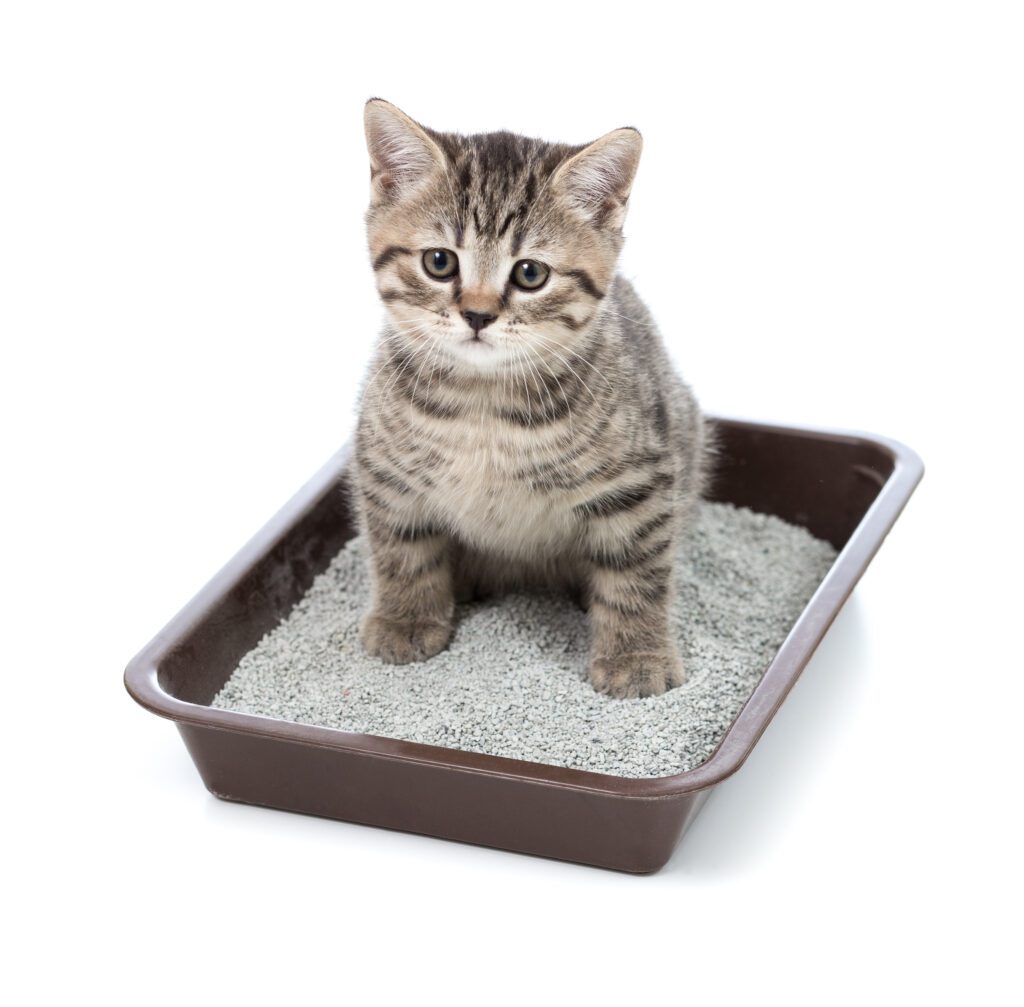
Cats can be a great source of comfort and affection not just for your, but also for just about everyone in the family. Recent studies, however, reveal that they might also be leading you down a darker path, albeit indirectly. Your furry feline friends may not exactly be putting dark thoughts into your head, but […]

Long periods of sitting may not be good for you. A study conducted by a team of American researchers and published in the online medical journal BMJ Open showed that adults can live longer by up to 2 years if they only sit down for less than 3 hours a day. Limiting our time spent […]
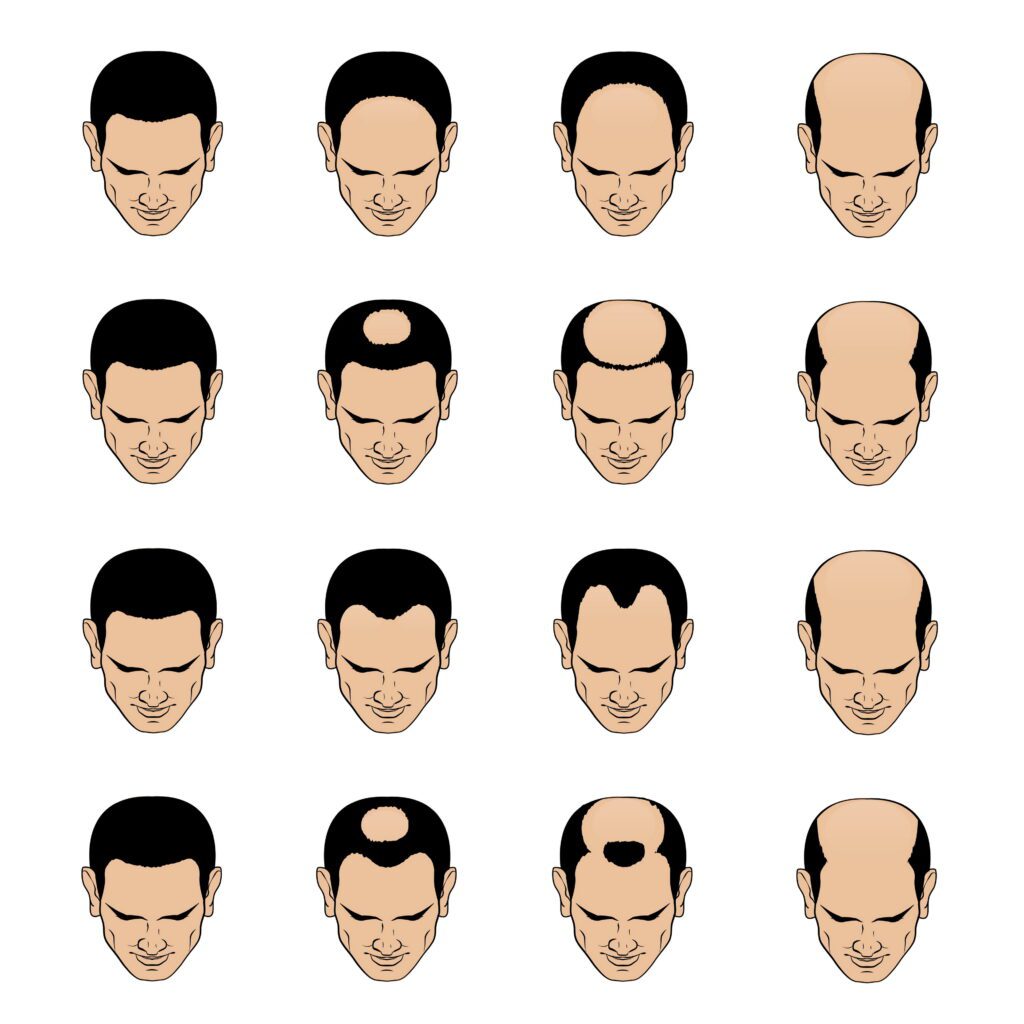
LeBron James is easily one of the most recognized players in the NBA today. His achievements have all but defined his long and successful career. In recent months, however, the basketball superstar has been in the media spotlight for a completely different reason. Like millions of men all over the globe, The King is also […]
It’s an unspoken fact that sex and relationships in general can sometimes take a backseat when the men watch sports. It has come to a point where “sports widows” become virtually invisible for a couple of hours to their husbands when the big game comes on. Whether it’s the football, basketball, or even competitive fishing, […]

Index: 1. What is Capsaicin and How Does it Relieve Pain 2. Benefits of Capsaicin for Chronic Pain Relief 3. How to Use Capsaicin for Pain Relief 4. Other Natural Solutions to Help Relieve Pain 5. Safety Considerations When Using Capsaicin 6. Common Questions About Using Capsaicin for Pain Relief Do you live with chronic […]
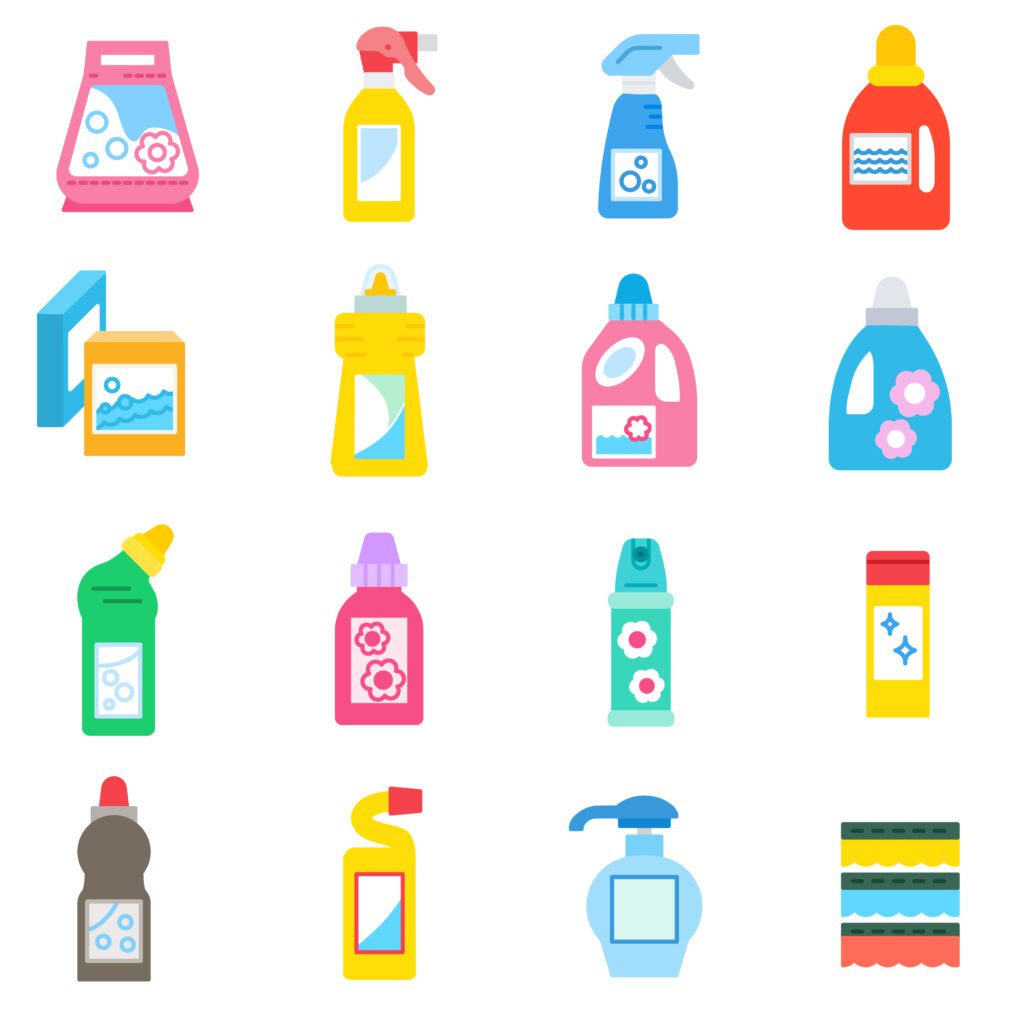
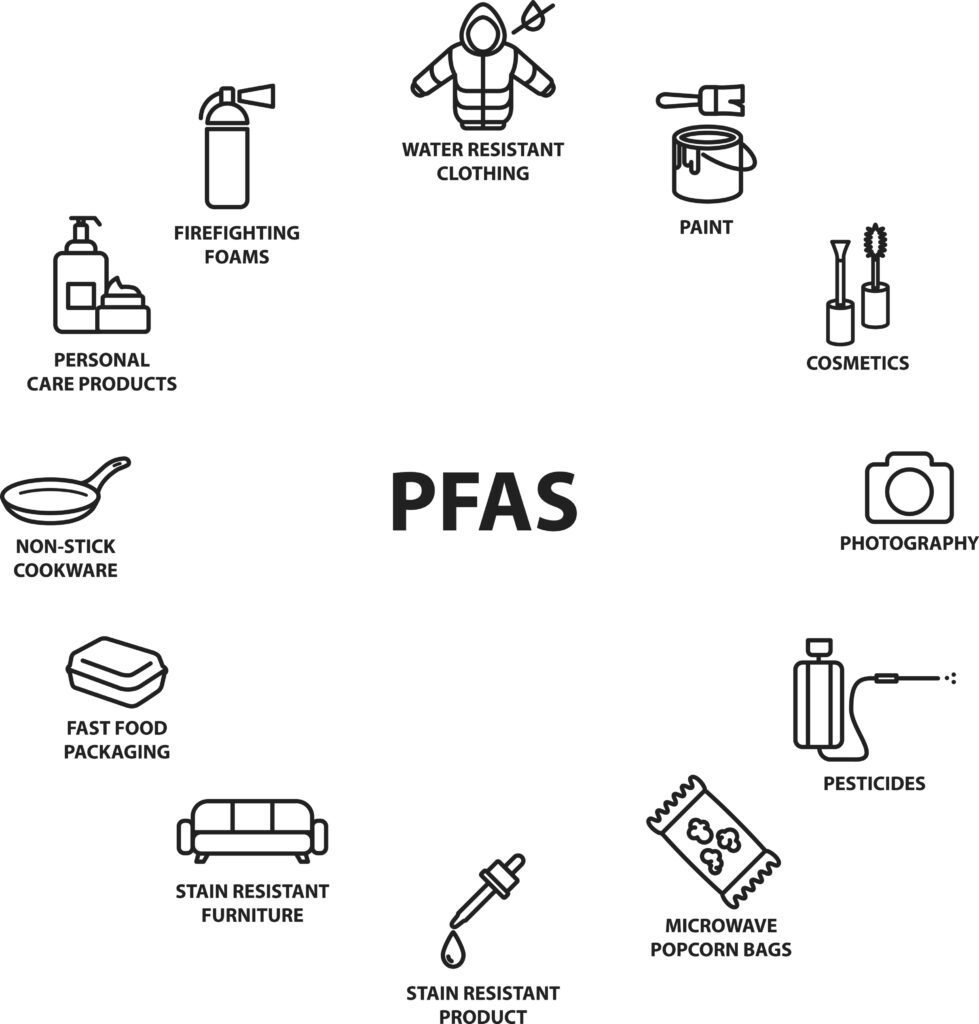
The Environmental Working Group (EWG) is a non-profit organization that provides information to consumers about the potential health risks associated with various personal care products, among other things. The organization maintains a database called the Skin Deep® Cosmetics Database, which ranks personal care products on a scale of 1 to 10 based on the potential […]
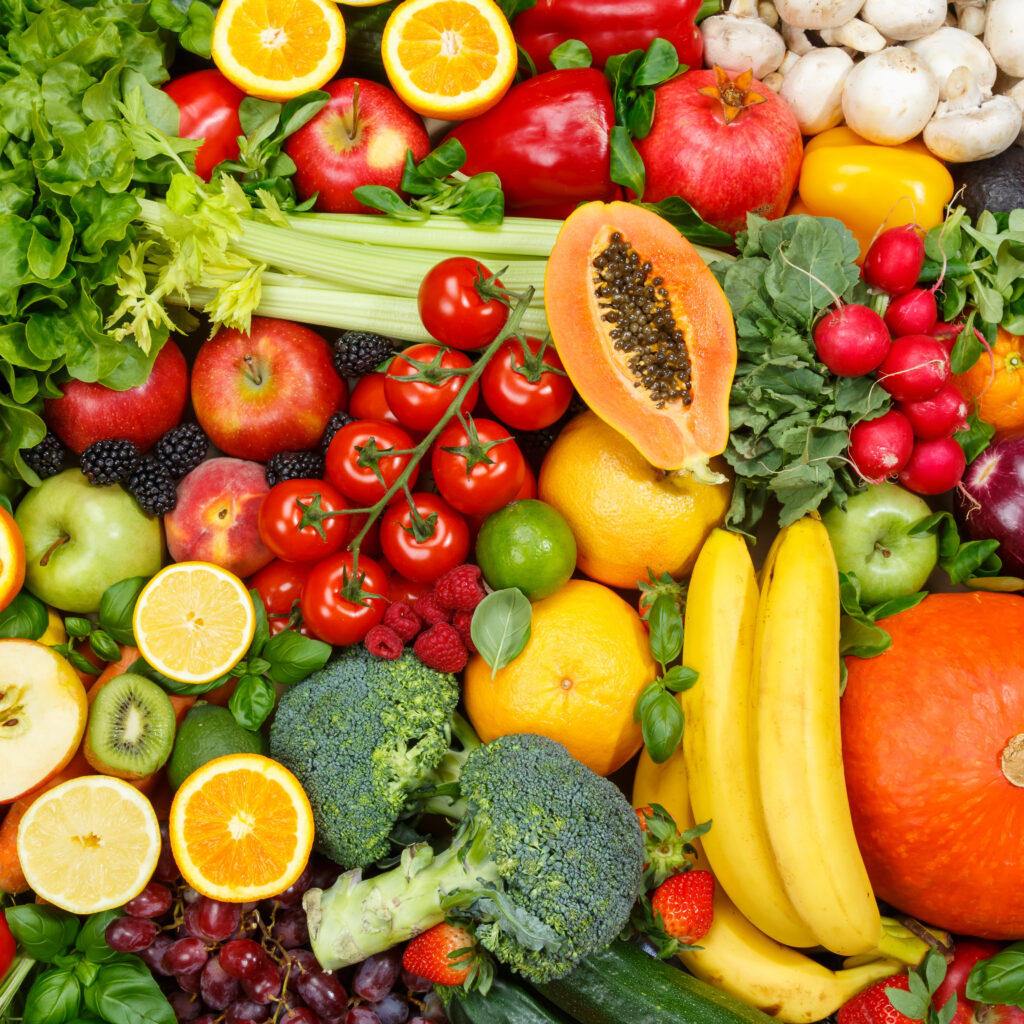
The Environmental Working Group (EWG) releases an annual report called the “Dirty Dozen” that identifies the top fruits and vegetables that have the highest levels of pesticide residue. Here are the top 20 items on the 2021 Dirty Dozen list, ranked by pesticide load: It’s important to note that the EWG’s report does not mean […]
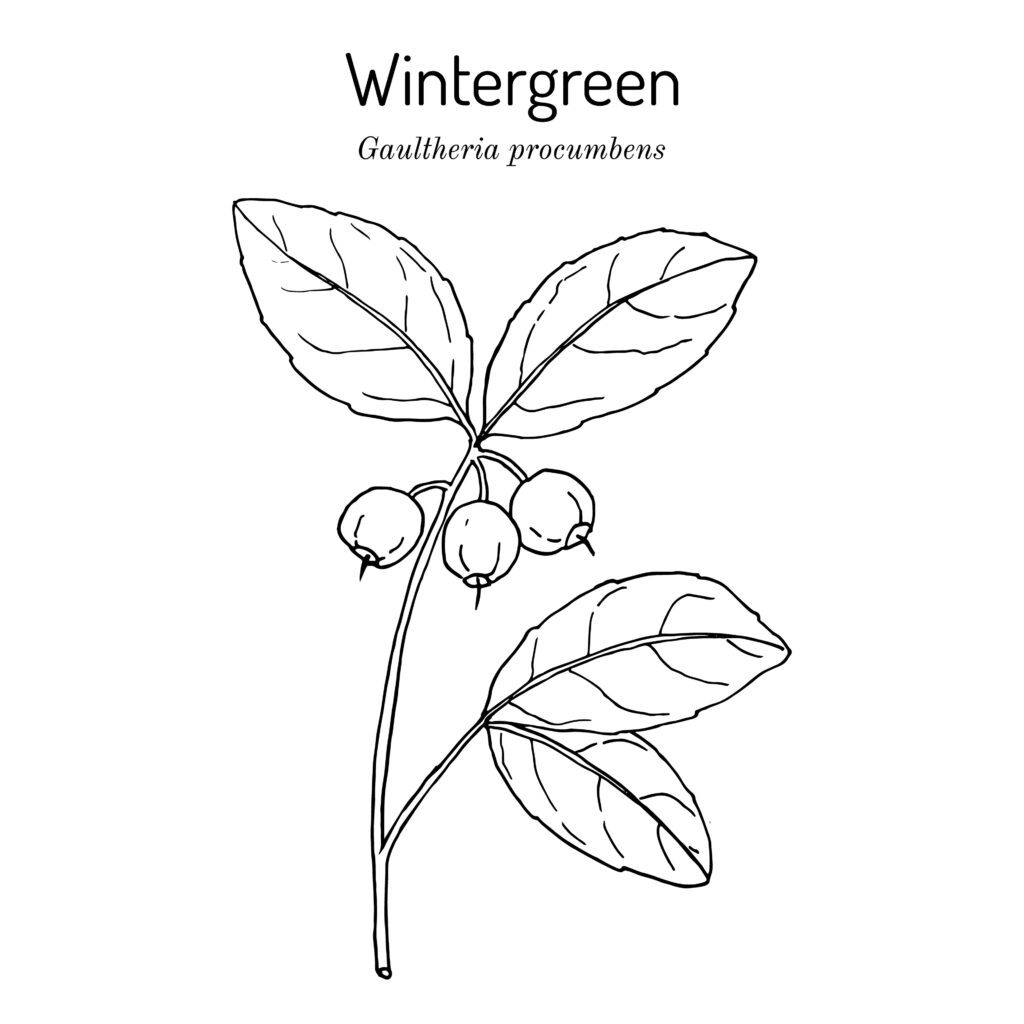
Introduction The therapeutic benefits of methyl salicylate, a naturally occurring compound found in plants such as wintergreen, sweet birch, and meadowsweet, have been known for centuries. Commonly referred to as oil of wintergreen, this versatile compound has long been used as a remedy for various types of pain. This blog post delves into the science […]
EMS (Electrical Muscle Stimulation) therapy is a type of electrical stimulation therapy that uses electrical impulses to stimulate muscles. Here are ten potential benefits of EMS therapy: It is important to note that while EMS therapy can be beneficial, it is not a replacement for traditional strength training and should be used in conjunction with […]
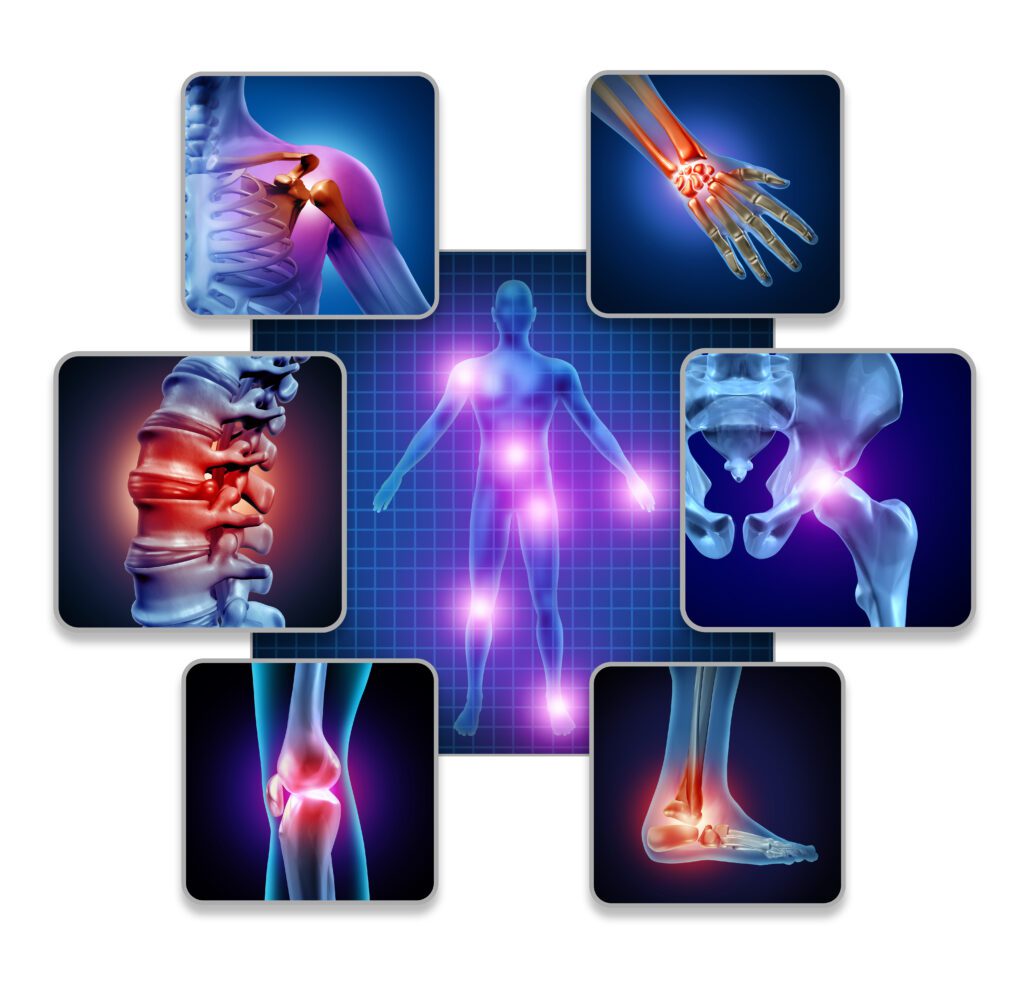
While TENS (Transcutaneous Electrical Nerve Stimulation) and EMS (Electrical Muscle Stimulation) therapy may appear similar, there are significant differences in how they work and the type of pain they are designed to treat. 2. A second key difference between TENS and EMS therapy is the frequency of the electrical impulses used. TENS therapy uses low-frequency […]
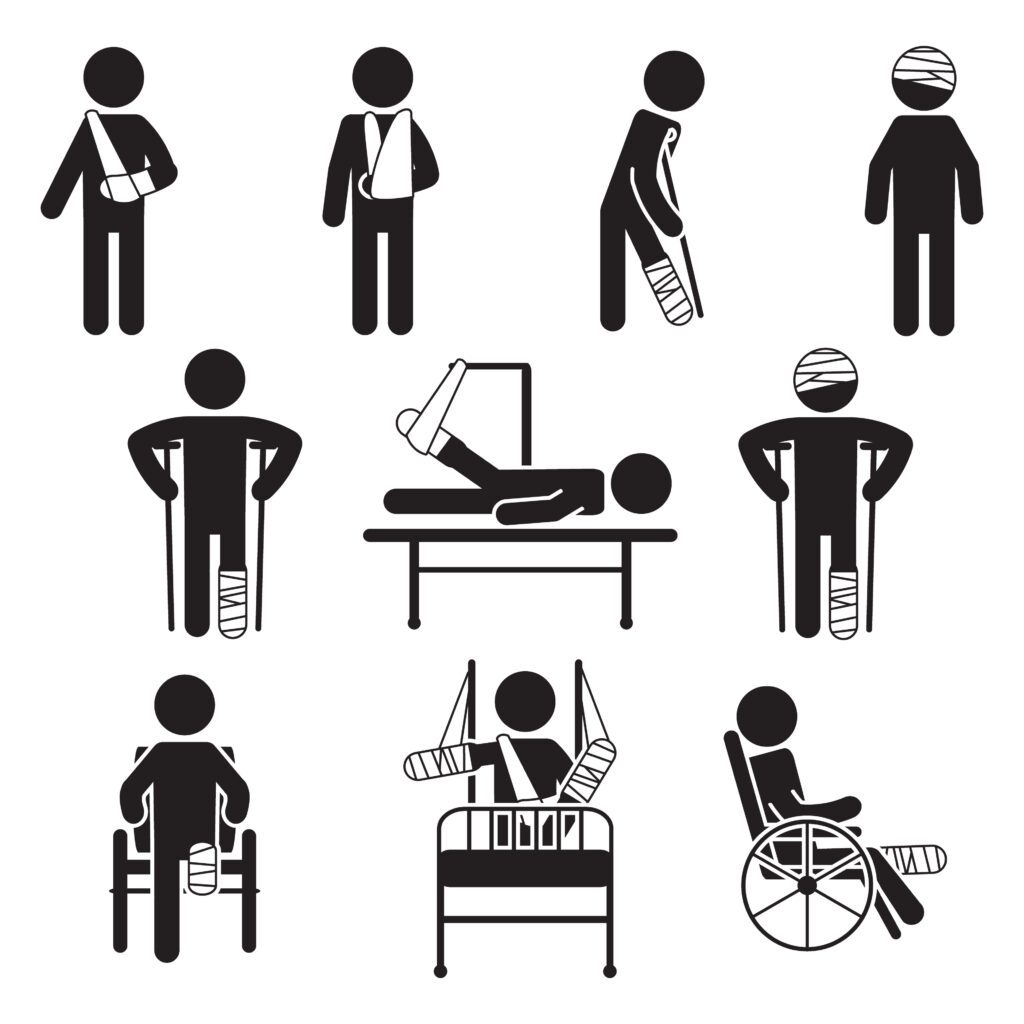
Transcutaneous electrical nerve stimulation (TENS) therapy is a form of electrical therapy that is widely used for pain relief and muscle relaxation. TENS therapy is a non-invasive and drug-free treatment that uses a low voltage electrical current to stimulate the nerves and reduce pain. TENS therapy has also been shown to be effective in promoting […]
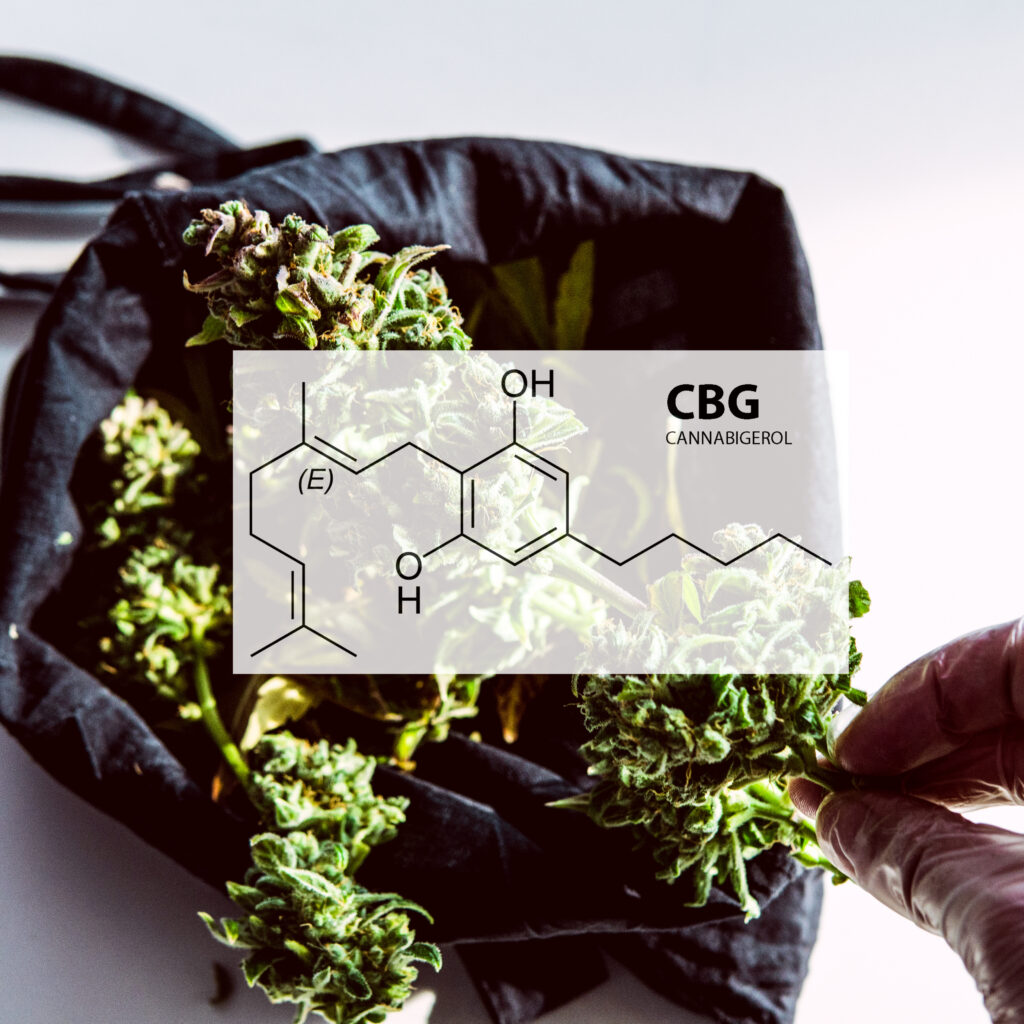
While CBG is still being studied, it has shown potential in a variety of areas and may have unique properties that differentiate it from other cannabinoids. However, more research is needed to fully understand its effects and determine the most effective dosages and delivery methods. It’s also important to speak with a healthcare professional before […]
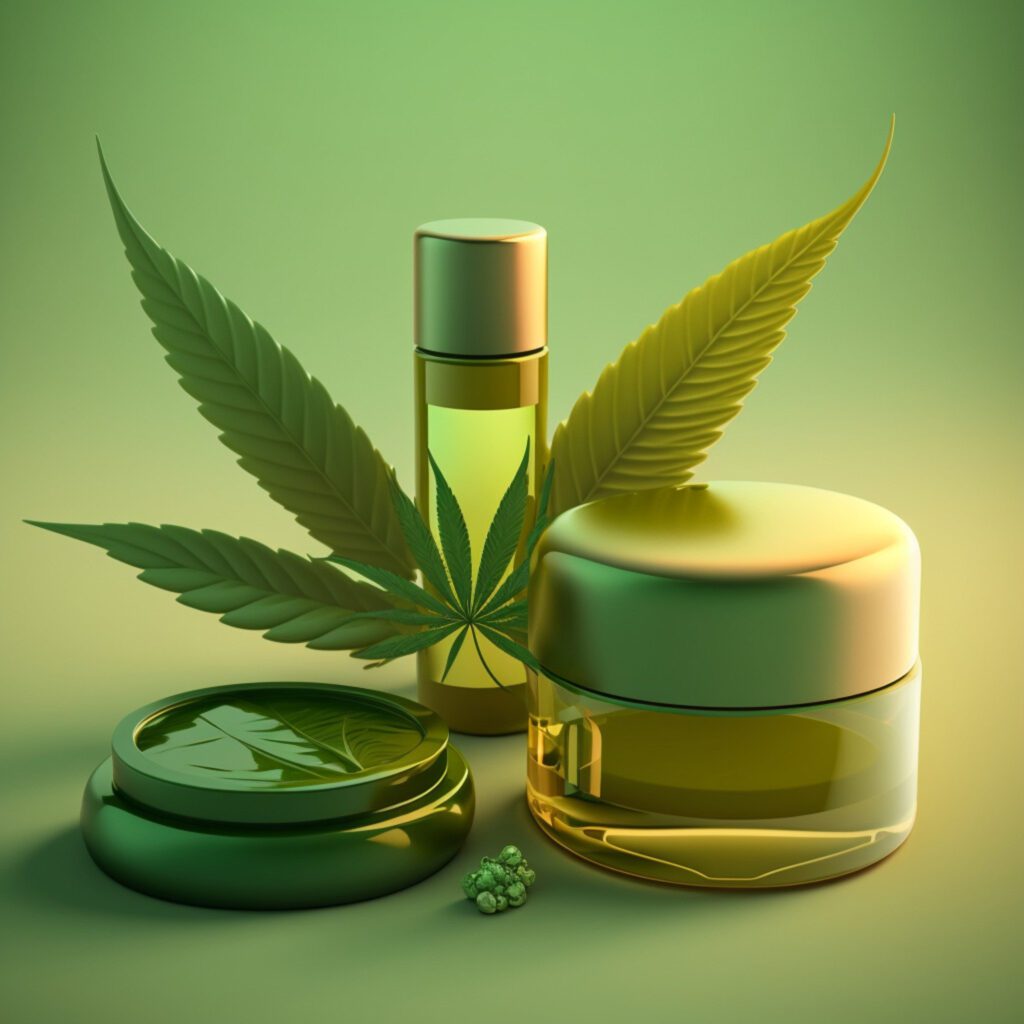
Overall, CBD products and edibles have potential health benefits, but it’s important to understand their limitations and use them responsibly.

It’s important to note that while CBD has shown promise in these areas, more research is needed to fully understand its effects and determine the most effective dosages and delivery methods. It’s also important to speak with a healthcare professional before starting any new treatment, especially if you have a medical condition or are taking […]

The endocannabinoid system (ECS) is a complex signaling system that exists in the human body and other animals. The ECS is made up of three main components: endocannabinoids, receptors, and enzymes. Endocannabinoids are molecules that are produced naturally by the body. The two main endocannabinoids are anandamide and 2-arachidonoylglycerol (2-AG). These molecules are similar in […]
In the United States, the legal limit of THC in hemp-based products is 0.3% or less on a dry weight basis. This limit is set by the Agricultural Improvement Act of 2018, also known as the Farm Bill, which defines hemp as cannabis sativa L. plants that contain no more than 0.3% THC by dry […]
Hemp-based products, such as hemp oil and CBD oil, can relieve pain through their interaction with the body’s endocannabinoid system (ECS). The ECS is a complex biological system that plays a key role in regulating various physiological processes, including pain perception, inflammation, and immune function. Hemp-based products contain compounds called cannabinoids, such as cannabidiol (CBD) […]

Hip pain can have a significant impact on a person’s mobility. The hip joint is critical in providing support and movement to the lower body, and any damage or pain can limit a person’s ability to walk, stand, and perform other activities. Here are some of the ways hip pain can affect mobility: Overall, hip […]

Pain is a complex sensory and emotional experience that occurs when specialized nerve endings called nociceptors are activated by potentially damaging stimuli such as physical injury, heat, or chemicals. The purpose of pain is to alert us to potential or actual tissue damage, allowing us to take action to protect ourselves and promote healing.
Vitamin A, Vitamin D, and Vitamin K are all fat-soluble vitamins that play important roles in various physiological processes in the body. While it is not necessarily essential to take these vitamins together, there are some potential benefits to doing so. One reason why it may be beneficial to take Vitamin A, Vitamin D, and […]

Ibuprofen is a nonsteroidal anti-inflammatory drug (NSAID) that is commonly used to reduce pain, inflammation, and fever. When taken in recommended doses, ibuprofen is generally safe and effective. However, like all medications, ibuprofen can have harmful side effects if taken in excess or over a prolonged period of time. One of the potential risks associated […]

Neuromuscular reeducation for the hip is a technique that involves using exercises and movements to retrain the nerves and muscles around the hip joint to function properly. This technique can be helpful for people who have hip pain or dysfunction due to an injury, surgery, or other underlying conditions. The goal of neuromuscular reeducation for […]
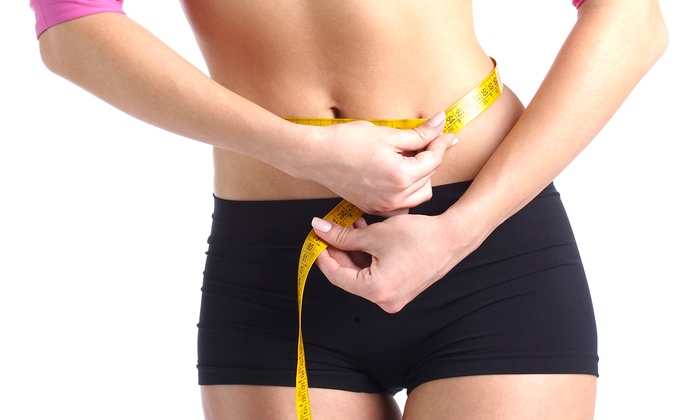
New research indicates that Varin cannabinoids can mimic the same actions as Ozempic and cause appetite suppression. They are found in be found in CBCV, CBDV, CBGV, and THCV. Varin cannabinoids are a rare class of cannabinoids that are structurally similar to other cannabinoids, but have a slightly different molecular structure. They are named after […]
Vitamin A, Vitamin D, and Vitamin K are all fat-soluble vitamins that play important roles in various physiological processes in the body. While it is not necessarily essential to take these vitamins together, there are some potential benefits to doing so. One reason why it may be beneficial to take Vitamin A, Vitamin D, and […]
1. AVOID GAS PRODUCING FOODS There are certain foods that contain fiber, sugars and starches that are difficult to digest, and not easily absorbed by the digestive system. This results in intestinal gas. According to Goldman, in his 2015 article, 10 Foods That Cause Gas, the following should be avoided:3 Fruits Due to an element […]

Is America’s love affair with protein the reason you suffer from digestive issues like: Constipation, bloating, gas, stomach problems, diarrhea, acid reflux or heartburn? Clint Winters, editor of Insiders Health, discovered that high protein consumption may be a ticking Time Bomb for developing colon, pancreatic and Esophugus cancers! Research shows…“ traditional digestive aids in the […]
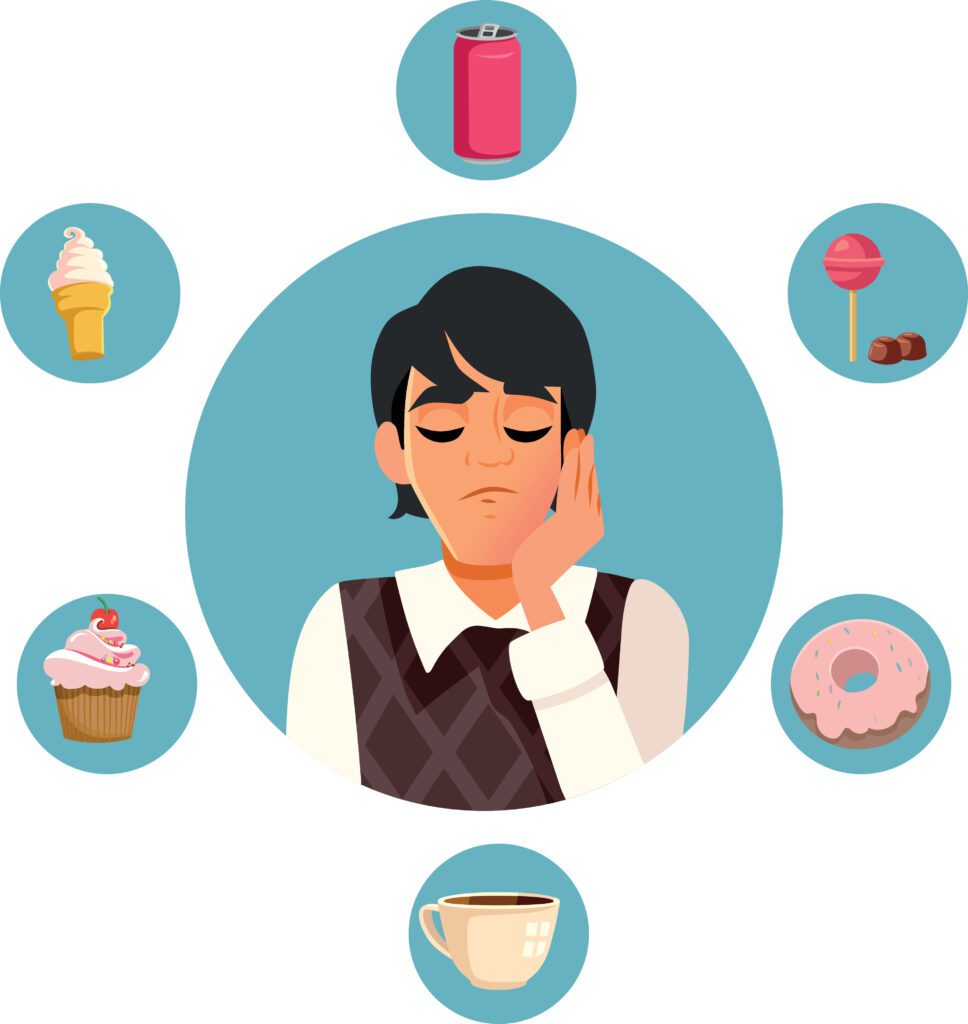
Think of the one food… that no matter how it’s served… you absolutely REFUSE to eat. For me it’s green peas. I hate green peas. As a kid, the smell of peas made my stomach turn and I would immediately start to gag. As an adult, nothing’s changed. If I’m served with a dish that […]
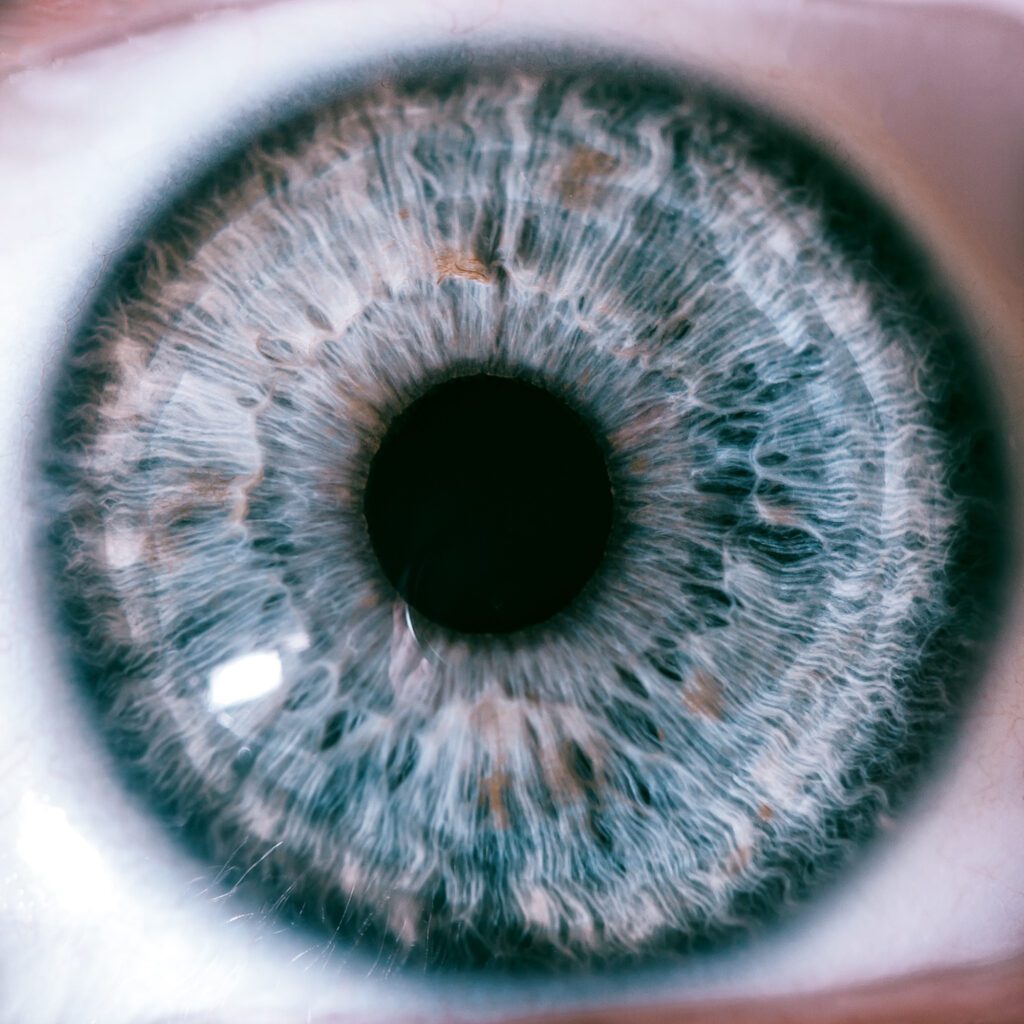
If your days are spent in front of a computer screen or working outside in the glaring sun, then tired and irritated eyes may be a daily problem for you. Luckily, there is a super nutrient that can come to the rescue. It’s an antioxidant called astaxanthin and can give you much needed relief from […]
These days we are inundated with information on the internet about the foods you should eat and those you should avoid when you are sick or unwell. From increasing your intake of vitamin C to taking natural flu shots, everybody seems to have a different answer. When your body is fighting against the negative impacts […]

Heartburn is a very common ailment afflicting millions of people. Some people suffer from heartburn at least once in a month while there are others for whom this condition is a constant companion. Most people think heartburn is caused by spicy, fried and oily food, alcohol, processed foods OR Over-eating especially around the holidays! However, […]
The answer to that question, believe it or not, is YES. Simply put, there is nothing good about positive ions and there is everything good about negative ions. Confused? Let’s start with the basics. Negative vs. Positive In nature, air molecules break apart due to sunlight, radiation and moving air and water. The molecules either […]

First off, what is serotonin? It’s a neurotransmitter that functions in the gastrointestinal (GI) tract and the central nervous system (CNS). You may be familiar with serotonin because it typically is associated with mood, and is also referenced in discussions of ecstasy or sex. In pleasurable situations, (and most agree during exercise) serotonin is released, […]
The holidays are fast approaching, with Halloween only a little over a month away, so begins the true challenges of a nutritional diet; therefore, we need to remember our good friends, enzymes, for holiday meals. Holiday weight gain is a problem not just exclusive to America, but around the world, starting in October. The holidays […]
Probiotics and Immunity With cold and flu season approaching faster than you can say “Achoo,” you might be wondering how you can pump up your immunity to avoid the chills, fever, aches, and sniffles this year. Traditional wisdom would say “get your vitamin C” or “use that hand sanitizer!” But there is another way that […]
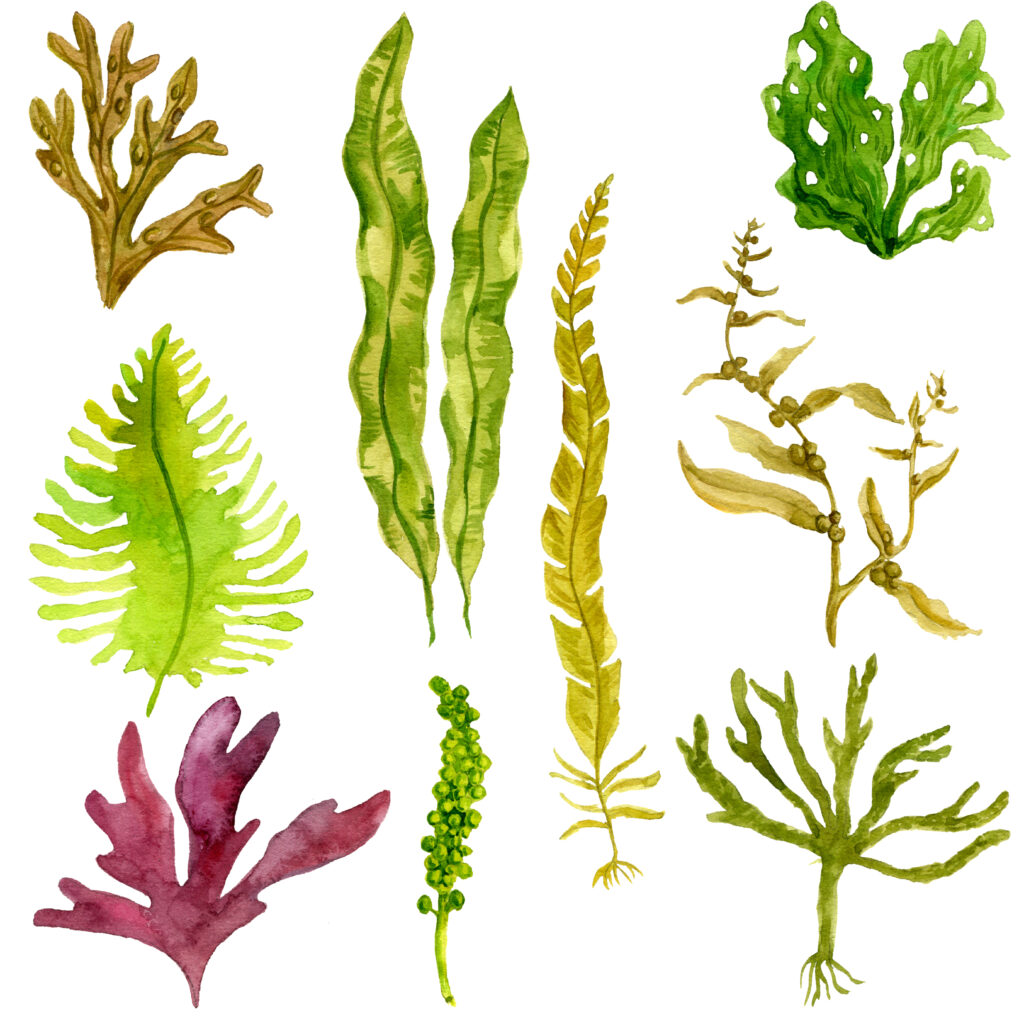
We were all told as children to eat our vegetables. Most of us probably ended up spending far too much time sitting at the kitchen table until this seemingly slimy, yucky food group was swallowed down. Well, it’s a whole new century, a global world, and my how conceptions of vegetables have changed and expanded! […]
Supplements are in Higher Demand than Ever Before. But is it Medicine or Marketing at Play? If you visit the pharmacy section of your local drugstore, or even big box stores like Wal-Mart or Target, what you’re likely to see is shelves and shelves of vitamins, minerals, and other supplements. Not to mention the online […]
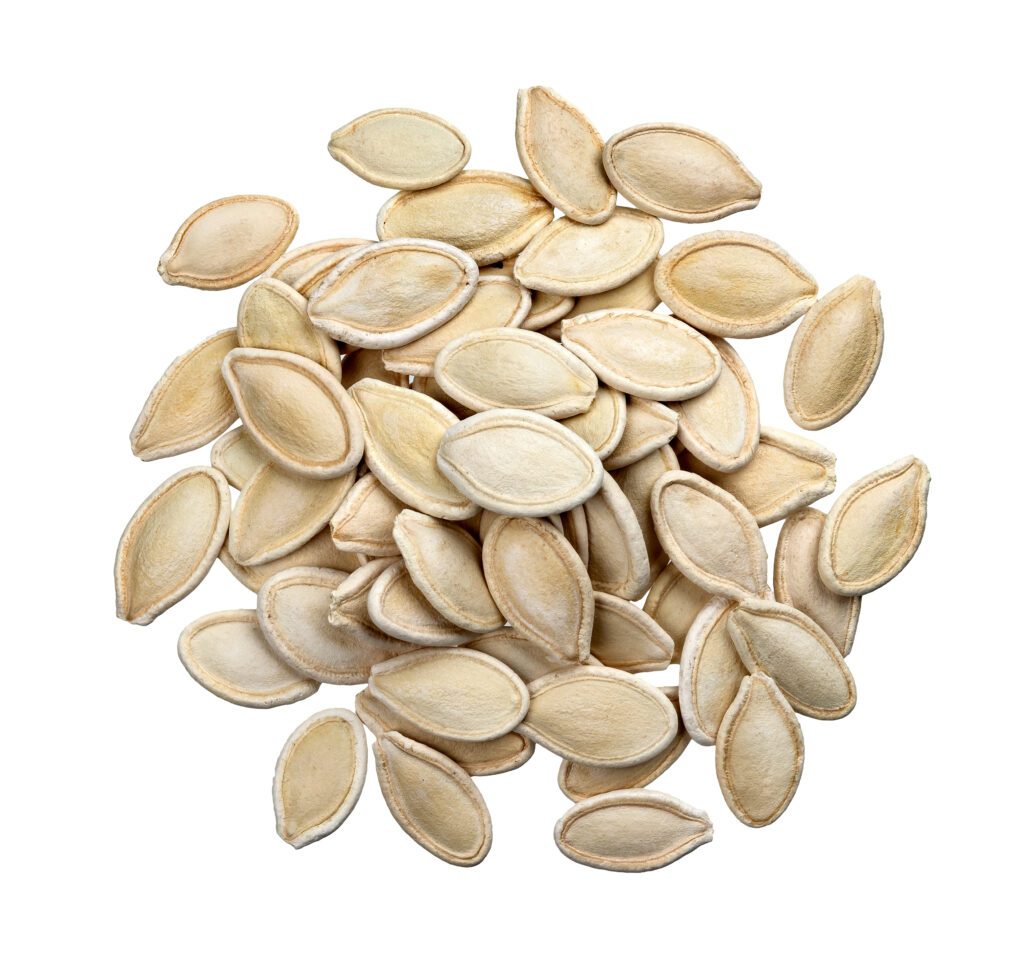
Tired of a dormant or stagnant sex drive slowing you down? Long to be more libidinous, but lack the energy or the means to do so? Well, good news! We’re only a little while away from the first day of fall, a time for colder weather, beautiful autumn foliage of golds and yellows, and, of […]

If you suffer from the joint pain, this is probably not the first blog or article you’ve read regarding some sort of miracle cure for either reducing or eliminating the symptoms of osteoarthritis, psoriatic or rheumatoid arthritis, sciatica or lupus altogether. While not necessarily a miracle, the naturally occurring substance found in the membrane of […]

Imagine, if you will, a population without a single sleep issue, residents young and old all sleeping perfectly. How could this be possible? Many do not know this, but there’s a part of the world where sleep issues are essentially obsolete. Specifically, rural India. Medical researchers have spent years studying the culture, climate, traditions and many other […]

Can a magnesium deficiency result in sudden death as a result of heart disease? Over the last thirty years or so, there’s been many published medical studies and journals suggesting that a lack of magnesium can have adverse negative effects on many of our vital organs. Magnesium is a macro-mineral essential to over 300 enzymatic […]
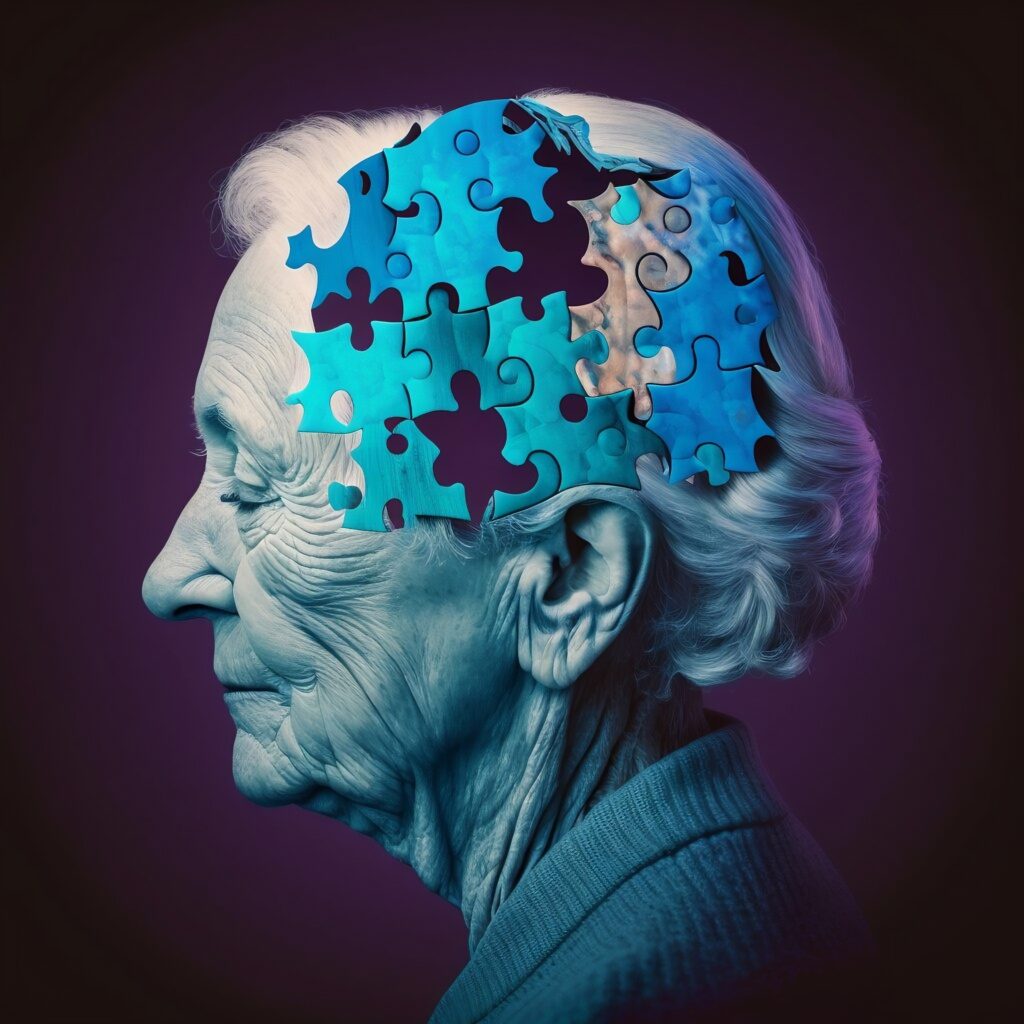
The year was 2007, and medical scientists from around the globe made a brain health discovery that would change the face of medical science forever. What did they find? A village where brains neither aged nor were affected by degenerative brain disease. Villagers between the ages of 50 and 70 had the brain function of a 20 or […]

We all suffer from the same affliction, commonly referred to as the human condition. And the worst symptom, our bodies decline as we age. Unfortunately, there’s no cure for aging, at least, not yet anyway; however, there are some natural remedies to help slow the process. Anti-aging isn’t taking some sort of miracle drug, nor […]

Close up of Konjac leave (Amorphophallus konjac) The Konjac Kraze Perhaps in your search for dietary supplements and fibers, you might have come across this plant called the konjac, also nicknamed the elephant yam, voodoo lily or the snake palm. Its corm, or, rather, its root, offers many benefits like assisting with weight loss, as […]
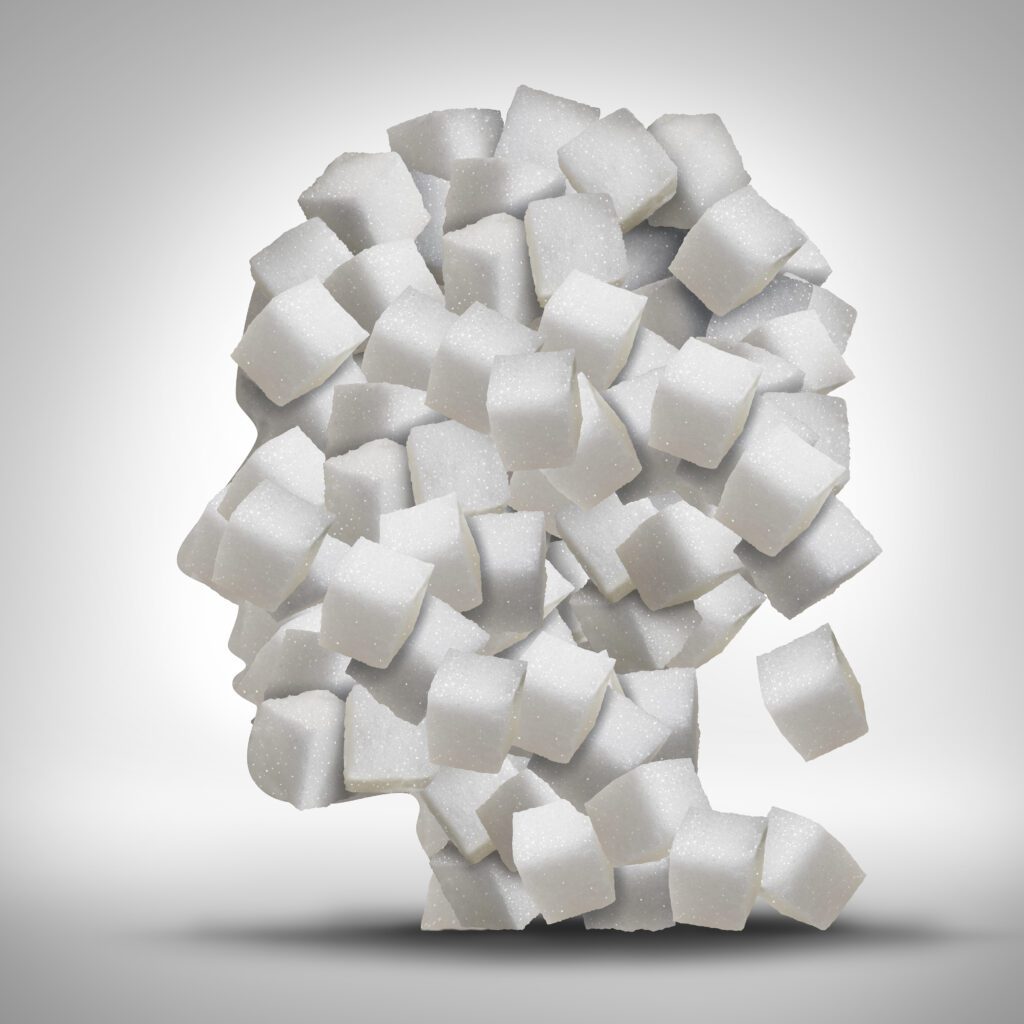
Likening a sugar addiction to a drug habit might seem like an overreaction on the surface, but it might not be exaggerated. Surely, at some point in time, you might have found yourself really craving a chocolate bar, a slice of cake or a can of a soda pop, even when you’re not hungry. […]
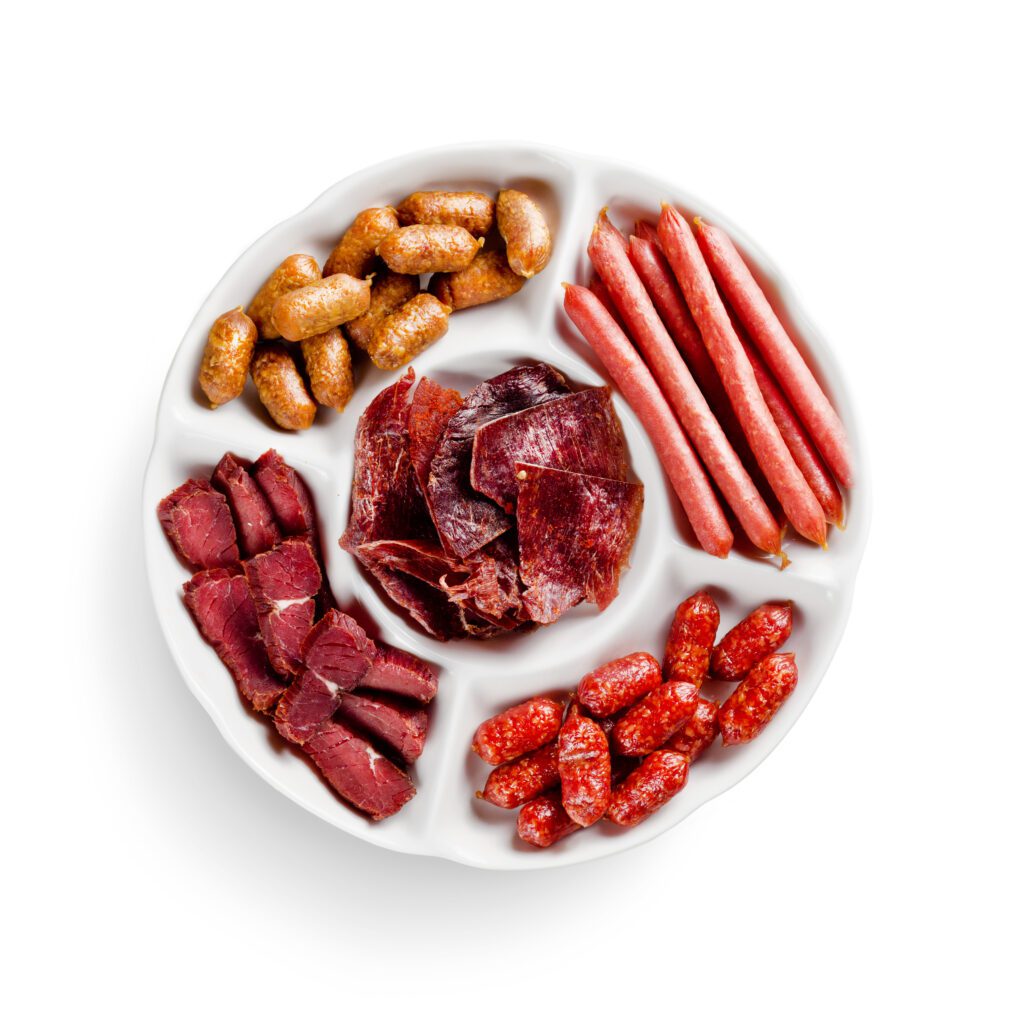
Today we talk about the rise in Pharmaceutical related crimes and more reasons as to why you should cut processed meat out of your diet.
21 year old son of Cleveland Cavilers owner, brings laughter while promoting tumor awareness. He suffers from Neurofibromatosis, which causes mostly benign tumors on the nerves, brain, and spinal cord. Also the Ambassador of the Children’s Tumor Foundation, he hopes to raise more money for research to fight tumors in children.
The Difference Between Natural and Organic Foods At first glance, and maybe even with a closer look, it might be hard to notice a difference between foods labeled “natural” or “organic”. . . if there even is any. After all, the term can be used interchangeably, right? Actually, there are a few significant differences between […]
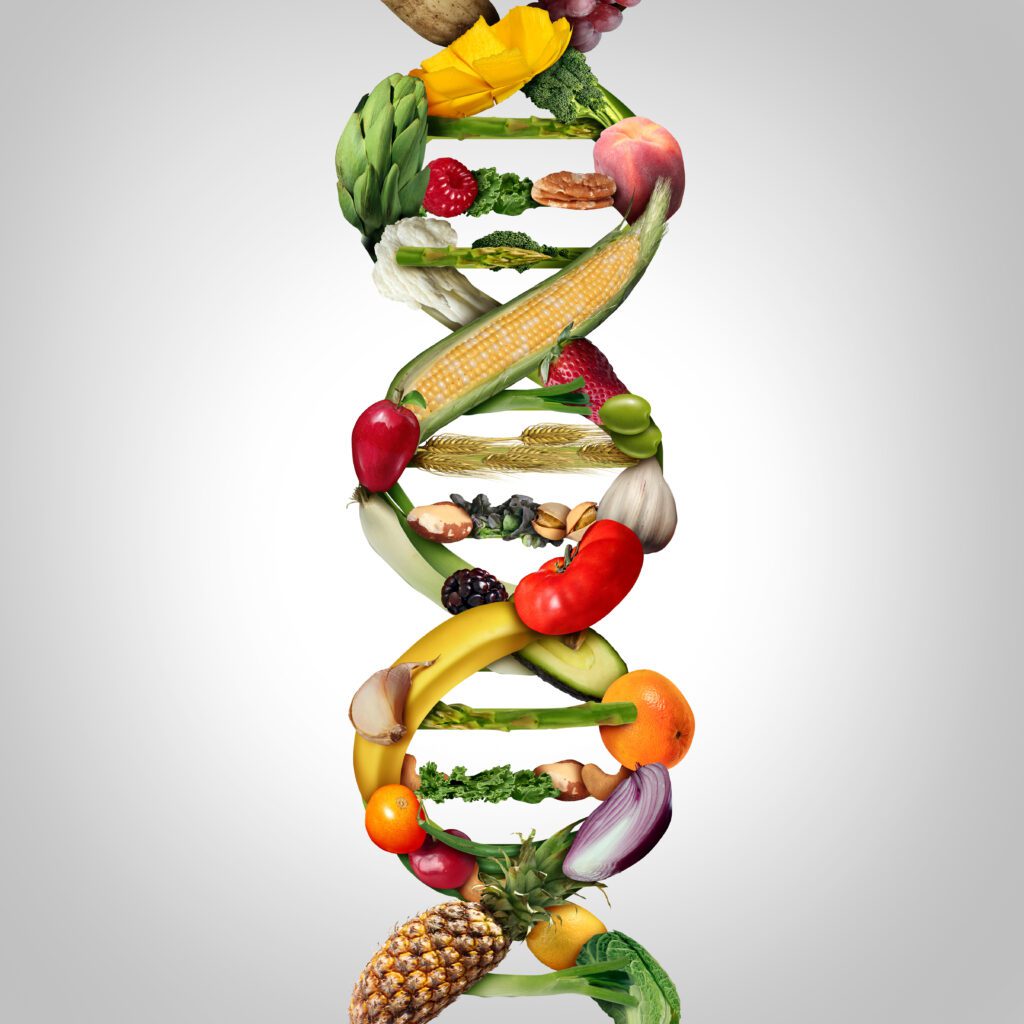
5 Foods You Didn’t Know Are Genetically Modified With all of the controversy surrounding genetically engineered foods, many people are actively seeking unaltered foods and avoiding modified. What some don’t realize, however, is that unlike places such as Europe and Japan, the United States doesn’t require food manufacturing companies to disclose if their food is […]
With spring on the horizon, many of us have already started experiencing the dreaded symptoms accompanying seasonal allergies. If you have found yourself going to the pharmacy to purchase decongestants or antihistamines, you might want to consider some natural alternatives instead. And, you just might be surprised by how many of them already reside in […]
Curbing Seasonal Depression…naturally! We’ve all heard the hype about the benefits of green tea. But why is green tea so good for us? It is not only good for us but has been proven to be vital for a plethora of physical and mental ailments and conditions. The question that lingers is…“but why and how?” Well, […]
Eating organic foods 100% of the time would be great. But let’s face it – buying organic gets expensive. In fact, WebMD reports that organic foods and beverages can cost as much as 50 percent to 100 percent more than conventional foods… … and that’s a price tag many of us just can’t afford. The […]
The scientific and nutrition communities are beginning to realize the significant, unparalleled health benefits of Vitamin D. It has long been known that Vitamin D works with calcium to support bone health, but its benefits are much more far-reaching than that. Every single cell in the human body requires Vitamin D to function properly. To […]
A big new study is being launched by Mars Inc., and the National Heart, Lung and Blood Institute. The purpose of the study is to see if pills containing the nutrients in dark chocolate can help with heart health; specifically in the prevention of heart attacks and strokes. For countless centuries, cocoa has been used […]
Are you a fan of guilty pleasures like red meat, chicken, cheese, and dairy products? Many of us crave these high-fat foods, but still try to limit our consumption due to the assumption that foods high in saturated fat are bad for our health. The U.S. Dietary Guidelines even tell Americans to eat small amounts […]
Most everyone loves the fresh smell and tropical taste of coconut. In fact, the very scent can take you miles away and conjure up images of a tropical paradise, and pina coladas by the beach. However, did you know that coconut oil has been used as a medicinal treatment for thousands of years? Coconut oil […]

Be sure your children stay safe and healthy during the holidays with this winter safety guide. Experts reveal the appropriate temperature for kids to be out and about and the right age for a child to engage in winter sports safely.
Did you know that super ripe bananas hold amazing health benefits? That’s right, those dark spotted bananas that you’ve been throwing away are actually really good for you. As it turns out, Japanese researchers have found that ripe bananas with dark spots actually produce a substance known as “Tumor Necrosis Factor”. TNF can fight abnormal […]
Do you suffer from diabetes, or high blood sugar? Do you have family members with diabetes, and fear that you may also be predisposed to the disease? Luckily, there are natural methods to combat high blood glucose levels, and in this article we’ll explore a few of these methods including vinegar, lacto-fermentation, yogurt, kefir, and […]
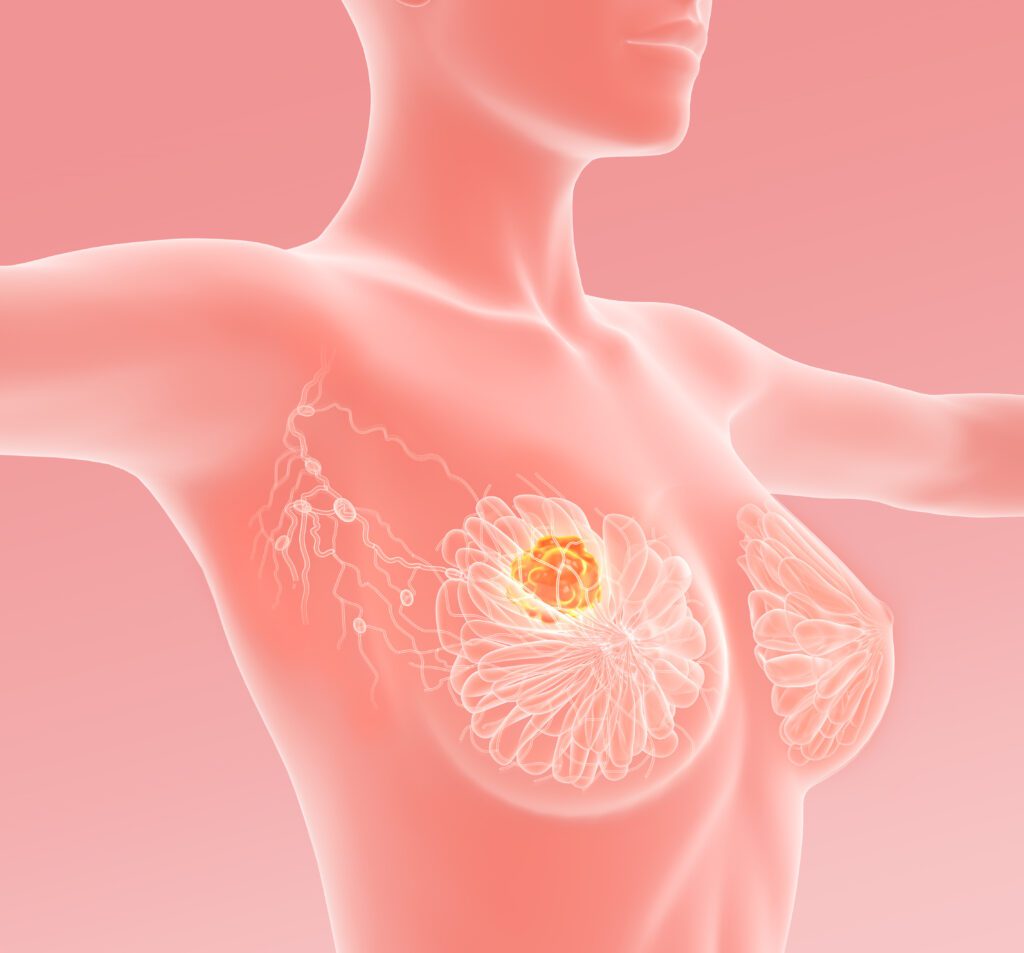
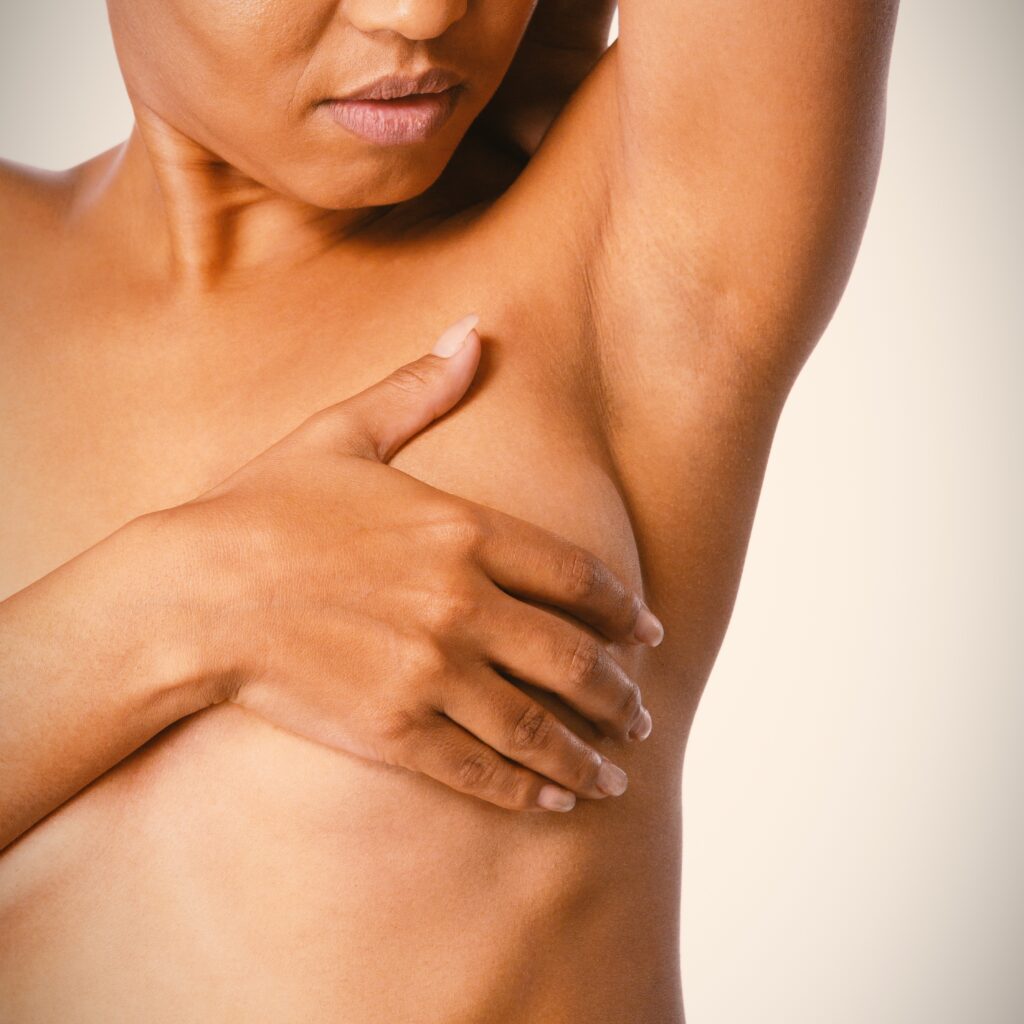
I know that you are very aware of the threat that breast cancer poses to American women. This devastating disease has touched most of us personally – my own family included. We’ve all heard the statistic: An American woman has a 1 in 9 chance of developing breast cancer over the course of her lifetime. […]
You Can Relieve Pain – Even Heal Your Arthritis. Staying AWAY from Drugs is a Good Start Arthritis is one of the most common and painful afflictions to strike older people in industrialized cultures. It’s also very big business for drug companies. This month, I’m going to talk about rheumatoid arthritis (RA) because it responds […]

Do you spend a lot of time typing on a computer? Maybe your job requires you to spend hours glued to your computer keyboard. If this sounds familiar, you could be at risk for the development of carpal tunnel syndrome. Let’s take a deeper look into this condition, including causes and possible treatments. If you […]

Sure, you may joke about being “allergic” to work or having a case of the “Mondays” but could your work place actually be putting your health at risk? According to recent studies, it looks like more and more instances of non-Hodgkin’s Lymphoma, a deadly form of cancer, are being linked to exposure to benzenes in […]
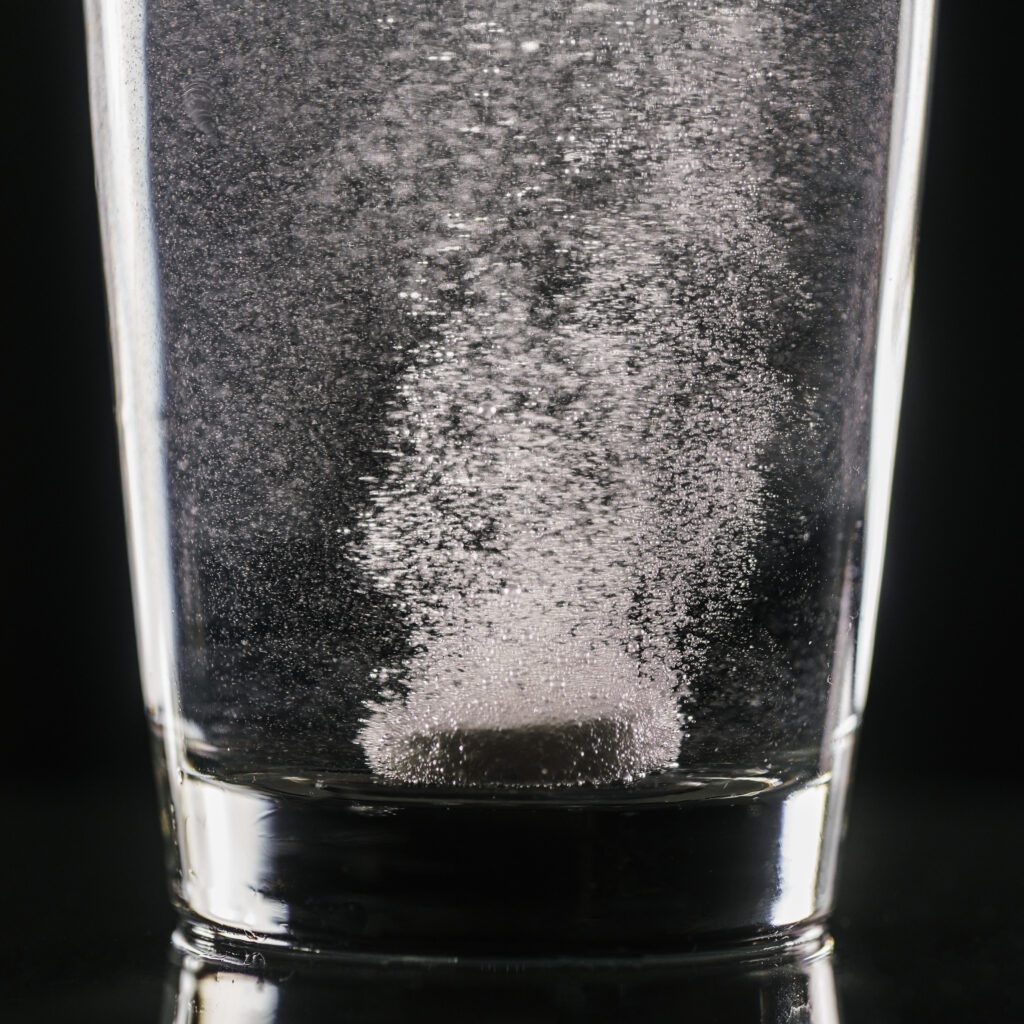
Heartburn Can Be Serious, but Antacids Only Spell Trouble for Your Health and Digestion Most people have experienced heartburn and think it’s no big deal. But back when I filled prescriptions every day at a local pharmacy, I remember the people who came in suffering from chronic heartburn. There was one guy who would buy […]
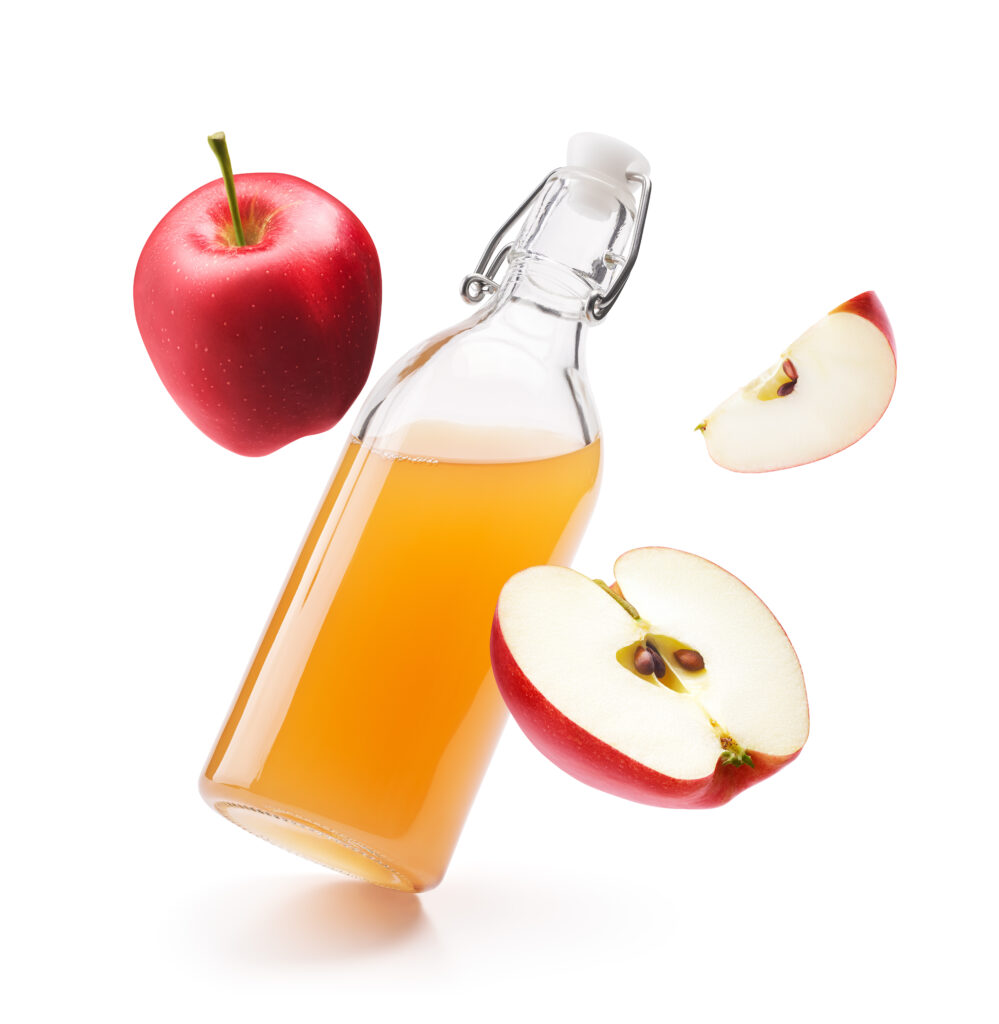
I know that the readers of Insider’s Heath are a savvy bunch, so I’m sure you won’t be surprised to hear that vinegar can be used for so much more than just salad dressing! Recently I was reminded of the amazing versatility of vinegar – the same kind you probably have in your kitchen pantry […]
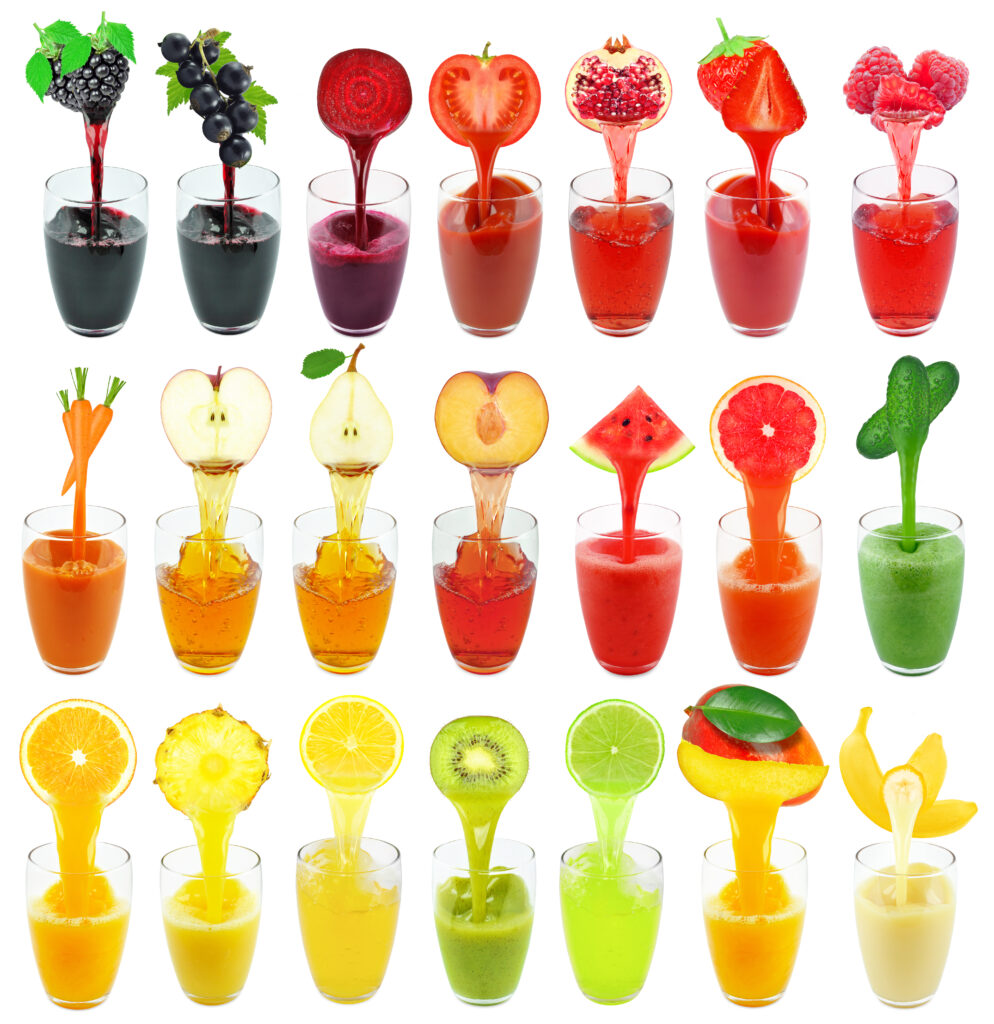
Here’s a quiz question for you: Which function or condition do you rank as the most important for your health? Nutrition? Digestion? Physical fitness? Did you rank Digestion as #1? Of course you need all three to enjoy optimal health, but if I had to put them in order of importance, digestion would top my […]
If your sneezes and sniffles come with the seasons, now’s the time to prepare your body for spring and summer time allergies – using natural methods that support your immune system. Do yourself a favor and set a goal of skipping your use of Zyrtec and other decongestants and antihistamines. These drugs can cause high […]
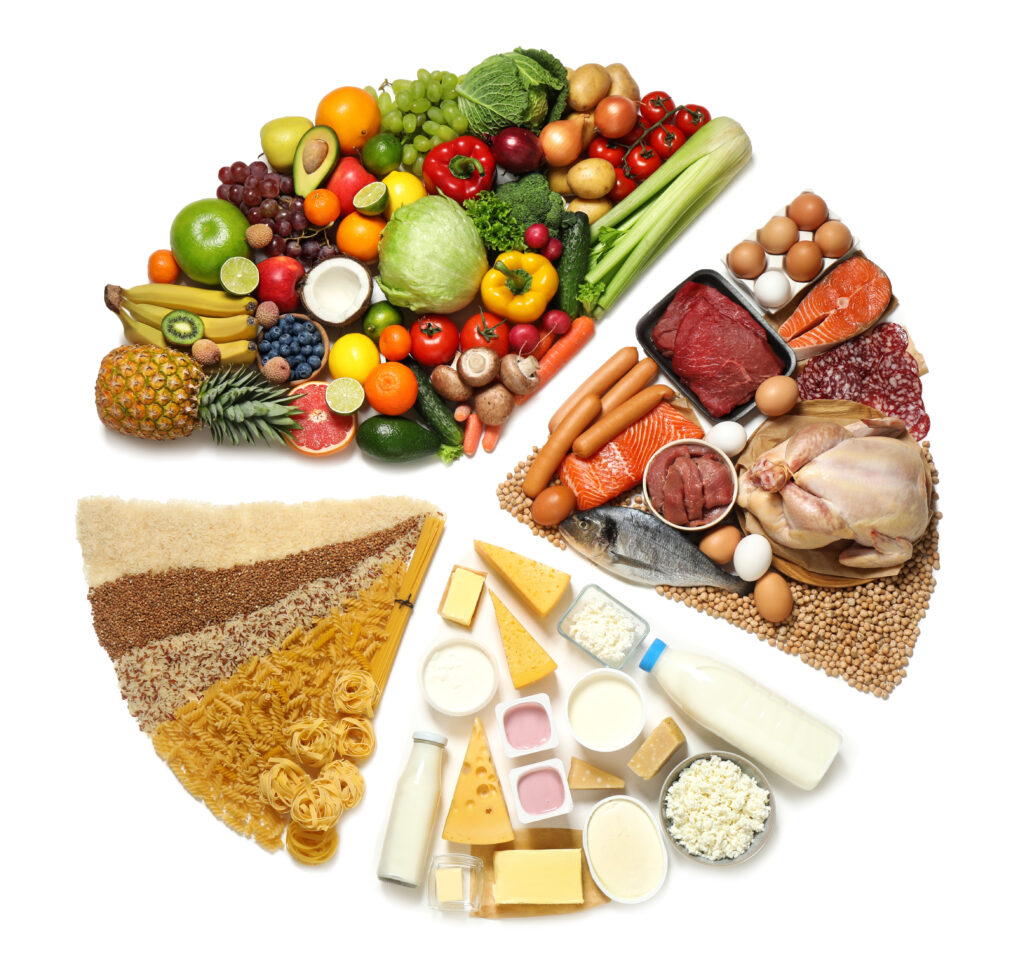
A good diet is an essential part of your healthy lifestyle – and I mean good and tasty, too. It may sound a little bit ridiculous, but most Americans really don’t understand what a good diet is. And that may be part of the reason we’re so susceptible to food fads and diet crazes. Here’s […]
Do you suffer from painful arthritis, despite prescription or over-the-counter pain medicines? Perhaps it’s time to try something different. The following herbal ingredients have eased arthritis pain for centuries. While natural remedies such as the following aren’t for everyone, it might be worth a try if other treatments have failed to deliver results.

Have you noticed pain, swelling, and/or stiffness in your joints? Those symptoms could be signs of arthritis, an inflammation of the joints. So, how do you know if you’re at risk for developing arthritis? What are the different types of arthritis? And what can you do to ease arthritis pain – or even possibly prevent […]

For decades now, doctors, researchers and consumers alike, have dedicated much effort and focus on the topic of bone and joint health. The theories, scientific findings, medication and natural supplements that have surfaced throughout the years have been plentiful and at times can be quite overwhelming. But recently, scientists found that extracts from the membrane […]

A traditional western practice that has become a popular form of exercise in America, yoga is designed to enhance awareness, create a mind-body-spiritual balance, and cleanse, heal and strengthen the body. The most obvious benefits relate to stress reduction, flexibility and relaxation, but as more studies are conducted, there is evidence of other tangible health […]

Tai Chi (pronounced tie-chee) is a physical and mental technique that integrates body, mind and spirit, and has been practiced for centuries in China. It began as a martial art, but these days it is most frequently practiced for its health benefits and meditative properties. What exactly is Tai Chi? What are some of its […]

Daily meditation has profound health benefits. The health benefits of meditation, whether secular or spiritual, have long been recognized in the East, and now these benefits have successfully been tested in the rigors of the scientific community with excellent results. More and more peer reviewed research on meditation confirms that it is a viable method […]

The secret to natural medicine for many common health issues is simply… honey. It has many healing properties, as it acts as an anti-viral, anti-antibiotic and anti-fungal. Honey has been used as an effective treatment for conditions such as burns, and fighting colds and flu. Keep reading for three recipes of honey’s natural medicine, as […]

For many people relaxing with a nice glass of wine is one of life’s simple pleasures. Recently, it’s become even more enjoyable as the benefits of wine have made headlines in the media. It’s not everyday something you enjoy is also good for you, too.

In recent years turmeric has become a darling of nutrition researchers. One particularly important study showed the spice reduces inflammation in mice. Since there is no toxic dose associated with turmeric, the study suggested that curry lovers could indulge every day. Asian cuisine basked in the healthy glow of the research. Not to be outdone, […]

Are you a good sleeper? Or, do you have a hard time falling asleep when it’s time to turn in? Or maybe your problem is staying asleep through the night? Perhaps you have turned to sleep aids in the past… there are many over-the-counter options to choose from and almost just as many prescription choices. […]

Most of us do not need a whole lot of motivation or prodding to eat chocolate, whether it comes in the milk or dark variety. And now new research is giving you even one more reason to give in to your favorite chocolate temptation! A recent study indicates that the very make-up of chocolate may […]

Albert Einstein hypothesized that the existence of human life is contingent on the existence of bees. These divine insects pollinate more than 100 types of crops in the US and facilitate the reproduction of vital vegetation to feed our livestock. Without bees, our agriculture and ecosystem would surely suffer, with our economy and health following […]
Do you know much about meningitis? Perhaps you’ve seen or heard about recent the outbreaks of meningitis – they usually makes the national news, especially in fatal cases. Meningitis is not anything to mess around with and a great deal of caution usually surrounds any instances of the illness. Let’s take a closer look at […]
Staying fit is important at any age, but as you get older, you need to keep your body active and your muscles strong to stave of age-related declines. And while you may not be able to lift the heavier weights or run as far as you did in your youth, you must keep moving and […]

From the time you’re a young women, you are taught the dangers of breast cancer and ways to detect it. You are encouraged to perform monthly self-breast exams, and mammograms are recommended as you age – or earlier if cancer is in your family history. And so, breast cancer becomes almost an unavoidable threat in […]

Diabetes and Tanning If you are undergoing treatment for lupus or diabetes or are susceptible to cold sores, be aware that these conditions can be aggravated through exposure to ultraviolet radiation from tanning devices, sunlamps, or natural sunlight. In addition, your skin may be more sensitive to artificial light or sunlight if you use certain […]
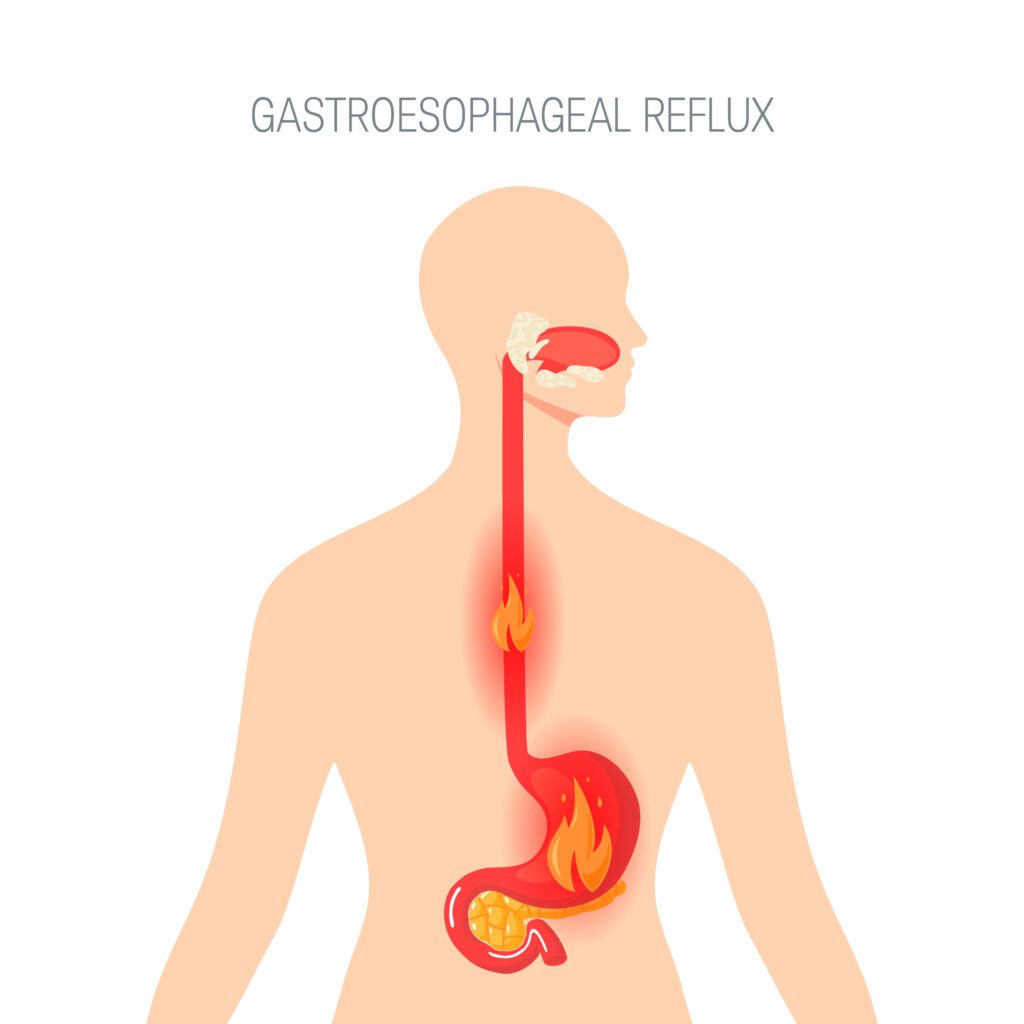
The HUGE Acid Reflux Cover-Up! Discover 9 Natural Ways You Can Help Your Body Eliminate Acid Reflux, Heartburn, Acid Indigestion or Stomach Agony…. Starting In just 24 Hours! The Covered-Up Cause of Acid Reflux leaves over 60 million Americans in agony …and may actually threatens YOUR LIFE! Big Money Medicine wants you to believe the […]
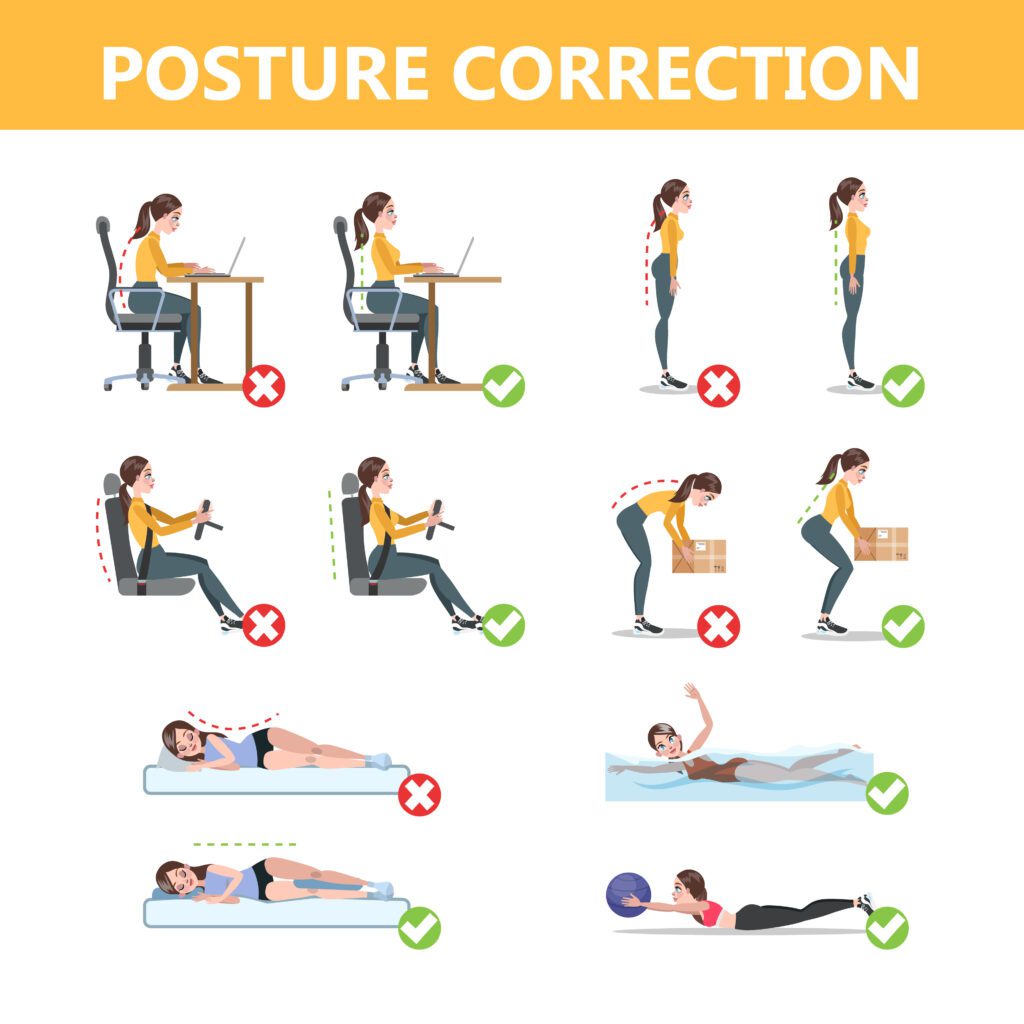
Do you remember the days when your mom would incessantly tell you to sit up straight and “for pete’s sake quit slouching!”? Turns out, she knew what she was talking about when it comes to pain-free posture. Back pain can be one of the worst and most uncomfortable experiences for anyone – if you’ve ever […]
If you are thinking of going out for the New Year, where there are plenty of alcoholic beverages involved, you probably know that you will likely end up with one of those “Great Big Hangovers.” The holiday season (New Year’s Eve included) is one of the worst times for hangovers, especially if you don’t plan […]

If you’re shelling out hundreds of dollars on cosmeceuticals to turn back the clock, now you may be able to pocket at least some of that money. Like a lot of people out there, you may be sabotaging your anti-aging efforts without even knowing it. But by making a few simple changes in your life […]

If you’re in menopause or you’re about to go through it, you may notice your body has changed. There may be a little extra “pudge” in your belly that simply won’t budge despite your best efforts. While this is frustrating, it’s comforting to know other women are going through the same thing. Practically all women […]

For many women, a salon visit is one of life’s guilty pleasures. There’s nothing like being pampered and fussed over to melt away the stress of a hectic week. However, some of the most commonly indulged beauty treatments can cause some serious health risks, from infections to even cancer. Here’s a list of four popular […]
Supplements can be a vital part of a healthy lifestyle, but like anything that you put into your body, you need to feel confident that you’re taking the best possible quality and that those supplements are safe to use. Several myths swirl around supplements, but we’ve got the answers to 5 frequently asked questions that […]

A majority of American households consist of at least one pet. And, now it looks like the reasons for having a pet reach far beyond companionship. Research, especially over the last decade, has shown that the presence of animals in a person’s life can have significant health benefits. But just how do pets aid your […]

Got back pain? Eat some grapes. Bad knees? Have some ginger. Research suggests that the right foods can ease your aches and pains just as well as common over-the-counter pain killers. The good news is you can probably find these everyday foods in your kitchen right now. Here are five superfood pain remedies you can […]
I did not become familiar with gestational diabetes until recently when my sister-in-law and my best friend were both diagnosed with it within a week. Many women I know, myself included, have made it through pregnancies without having any serious problems like gestational diabetes. Basically, gestational diabetes is a disease that can come on during […]
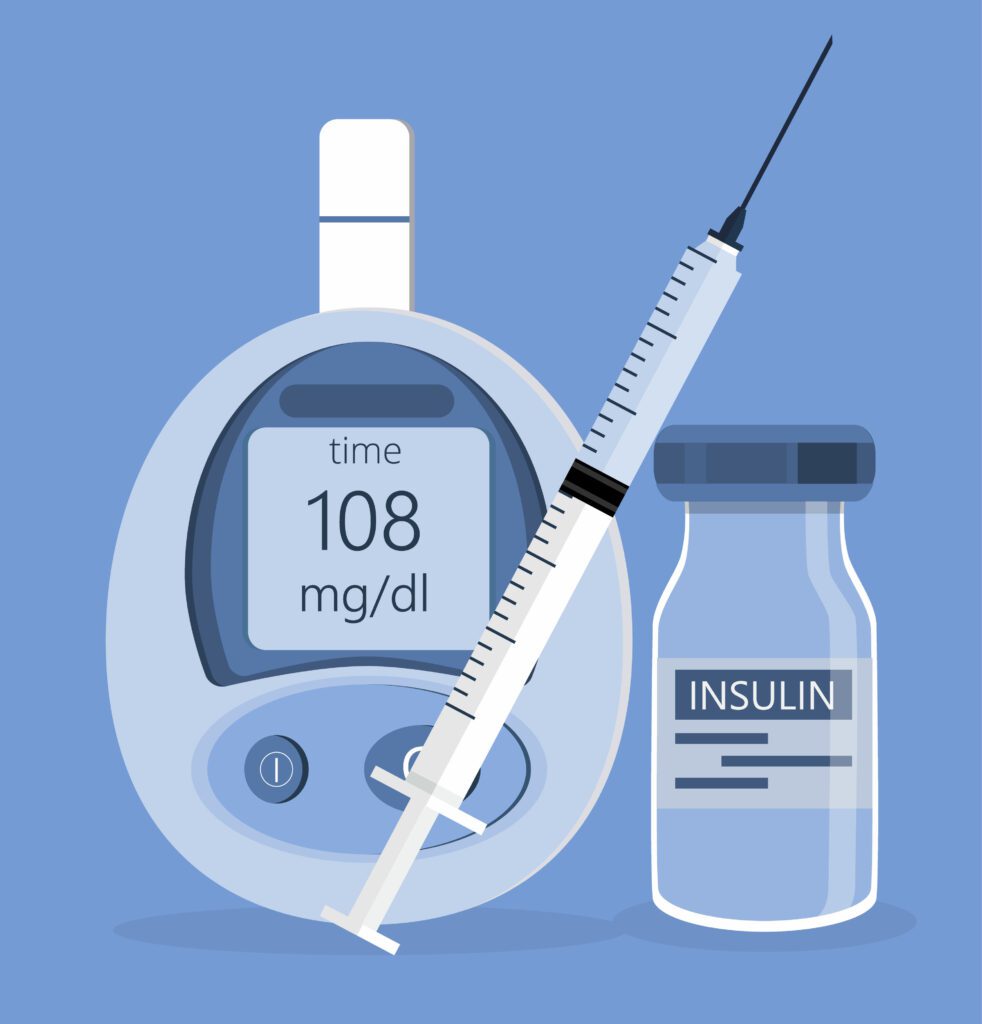
Diabetes has slowly crept into the lives of almost eleven million Americans who have diabetes and are aware they have the illness, and up to seven million Americans who are not aware they have diabetes. Added to this glaring number of diabetes-stricken Americans are the millions more who are in the prediabetes stage. People with […]
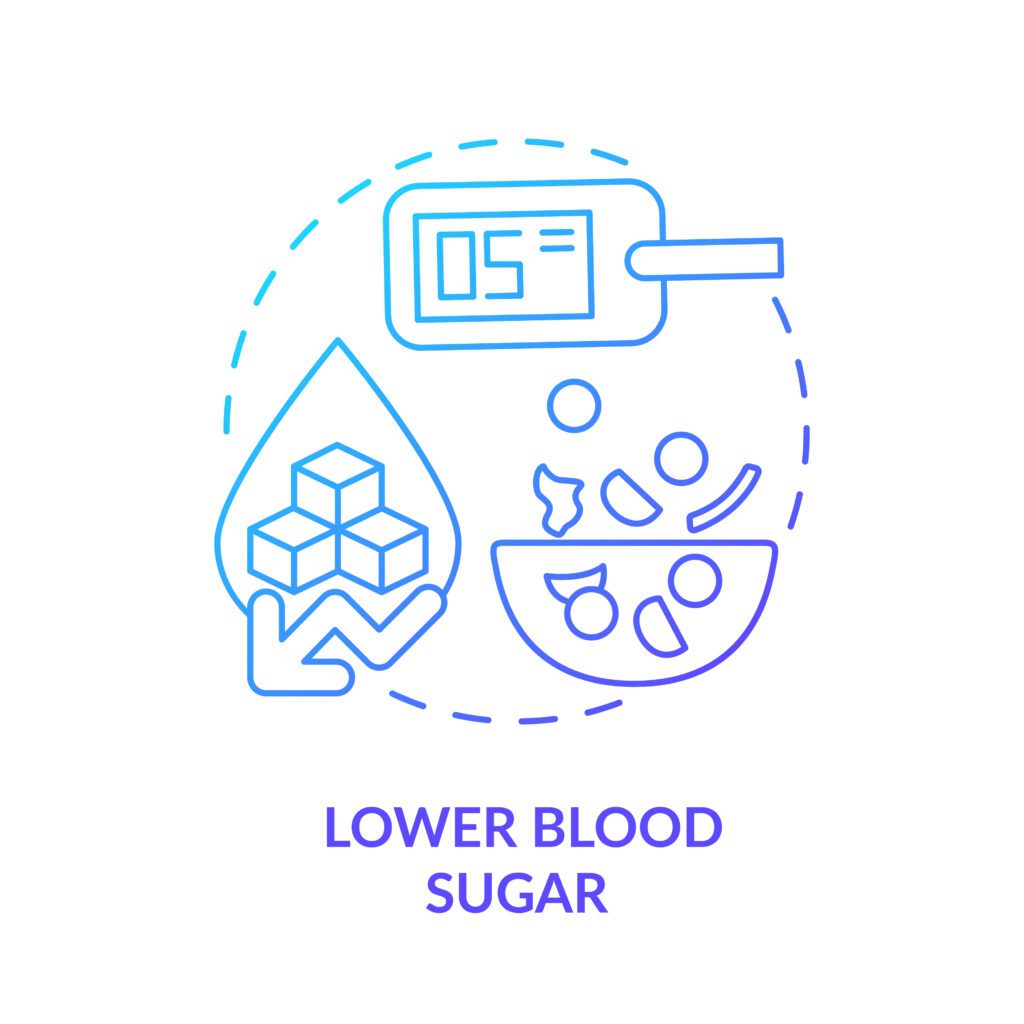
Certain vitamins and minerals have been found beneficial in lowering blood sugar and thus useful in the treatment of diabetes. Vitamin B complex – Vitamins of the B group are valuable in the treatment of diabetes. Despite and adequate intake of these vitamins, diabetics often have abnormally small amounts of vitamin B in their blood […]
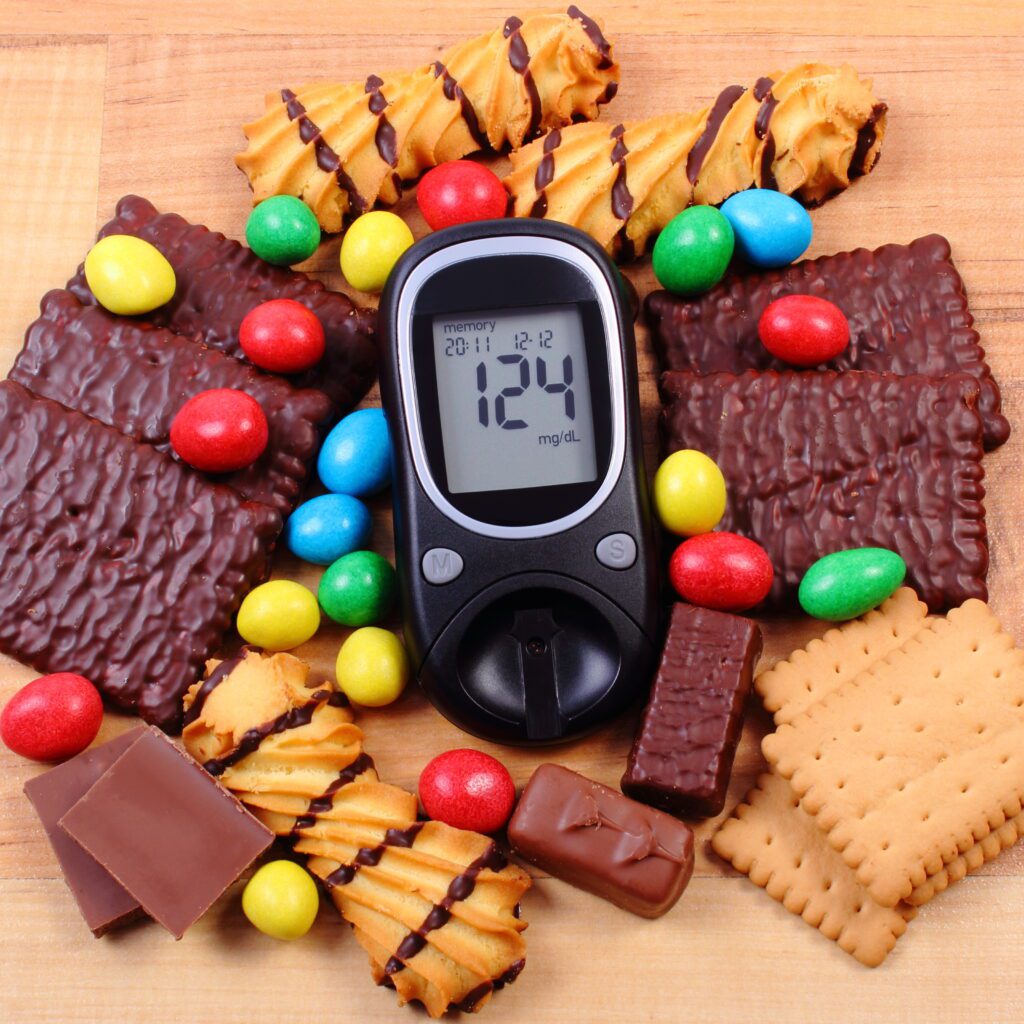
Diet is a quite important matter for diabetic people. Everything they eat may have a consequence positive or not in their disease evolution. According to researchers from Keck School of Medicine of the University of Southern California, overweight Latino children show signs of beta cell decline, a precursor of type 2 diabetes because they are […]
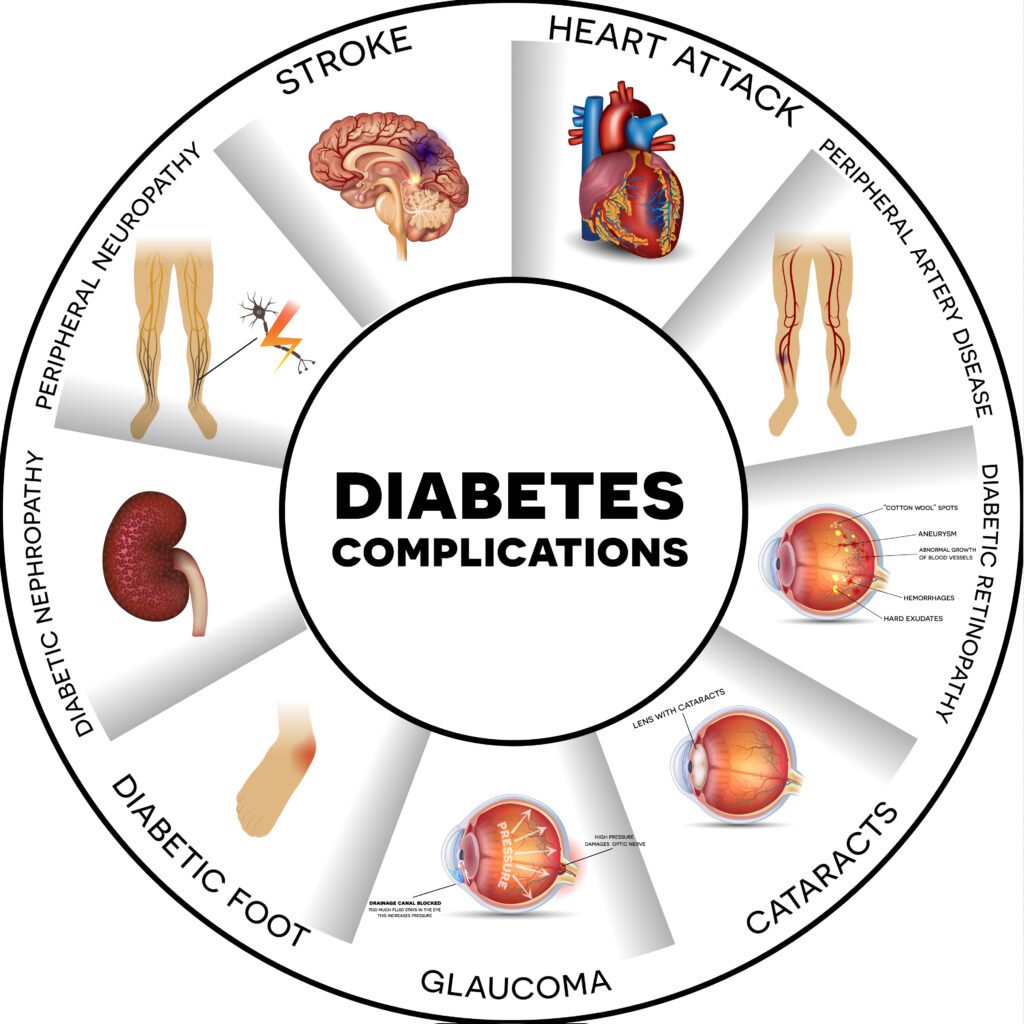
In a health conscious world it is easier to spot symptoms of diabetes in the early stages, which is known as pre-diabetes. Discovering and taking notice of early diabetic signs gives you a fighting chance of preventing diabetes altogether. Look out for these 8 pre-diabetes symptoms… If you have two or more of these pre-diabetes symptoms […]

Are you a diabetic? Do you smoke? Do people around you smoke? We all know smoking is a direct cause of cancer but if you have diabetes. smoking – including passive smoking – leads to other health problems. Here are 7 reasons why mixing diabetes with smoking is a very bad idea: 1) You are more likely […]
If you have diabetes information about how to manage your condition is vital to your well being. If you don’t look after your feet you run the risk of developing sores or infections that could, in the worst case scenario, lead to amputations. As happened to my father-in-law. Reduce your risk of infection or amputation by incorporating these […]

A short while ago, a friend came up to my office, and she told me how her father-in-law wound up in the hospital and came out with a diagnosis of Type-2 diabetes. His doctor sent him home with a booklet about watching his diet, a glucose test kit, and a bag full of syringes and […]

Diabetes Mellitus is a disease in which the pancreas produces little or no insulin, a hormone that helps the body’s tissues absorb glucose (sugar) so it can be used as a source of energy. The condition may also develop if muscle, fat, and liver cells respond poorly to insulin. In people with diabetes, glucose levels […]
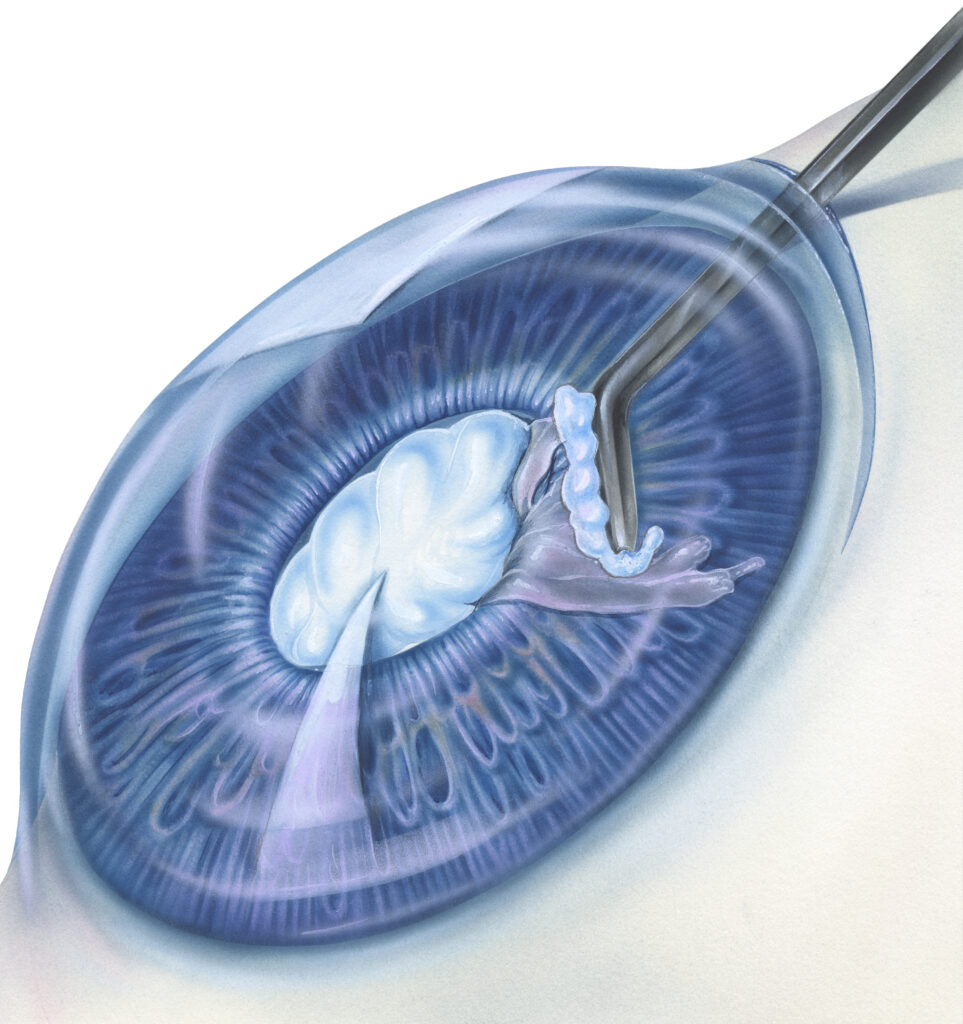
The month of June is “Cataract Awareness Month” so now is an excellent opportunity to shed some light on the leading cause of blindness worldwide. Approximately 20.5 million Americans age 40 or over are afflicted with a cataract in one or both eyes. About 6 million of these people have undergone cataract surgery, which has […]
Unexpected sight loss is more common than you may think. Blindness often happens without prior warning signs and in people unaware they are at risk. The two most common culprits of unexpected sight loss are diabetes and glaucoma. These diseases are known as the “sneak thieves of sight” because symptoms may not occur in the […]

Green tea diet pills are a good way in which you can educe your weight. Green tea diet is also widely recognized as a substance that can protect against many different cancers such as stomach cancer, ovarian cancer, cancer of the colon, oral cancer, prostate cancer, and breast and cervical cancers. Green Tea Diet is […]
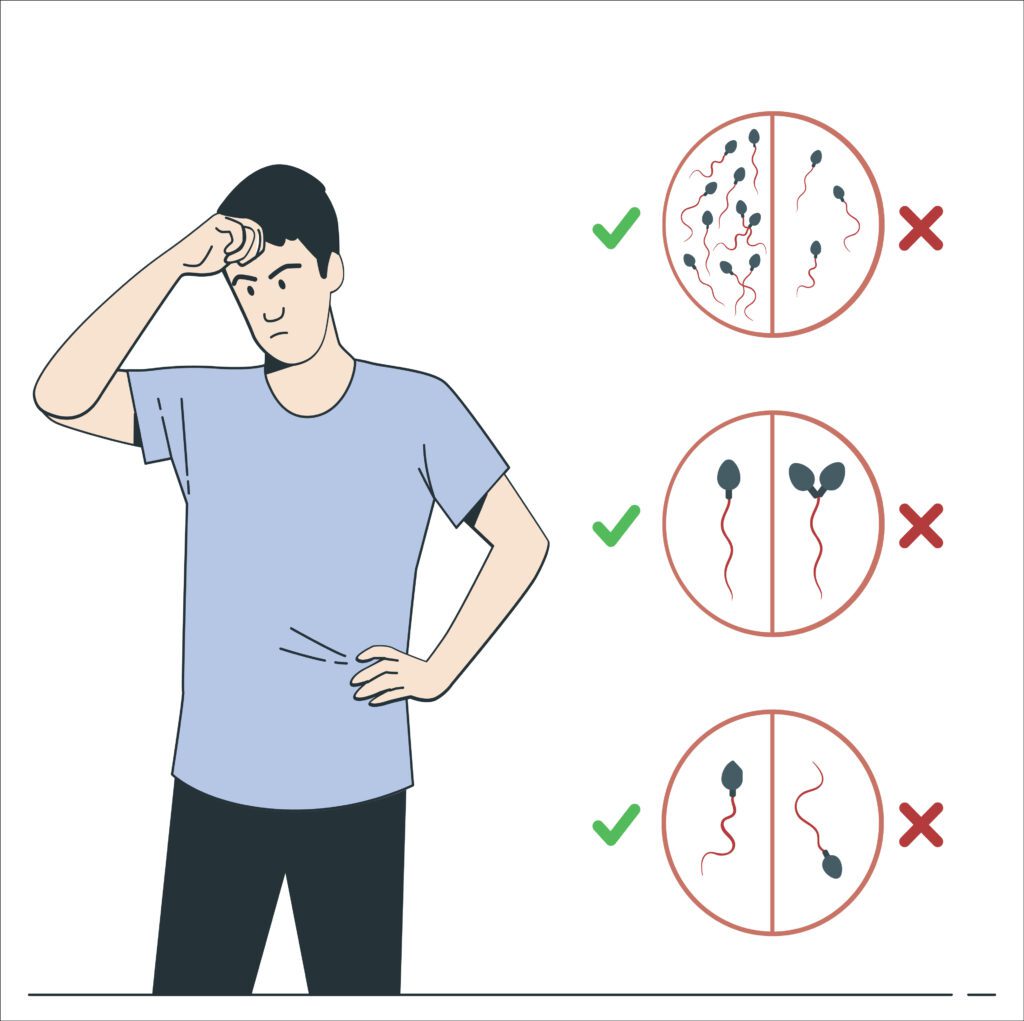
Men’s Daily activities affecting Fertility Have you been struggling with conceiving? Perhaps you thought it would happen according to your five-year plan . . . but things aren’t exactly turning out that way. Well, your lack of luck in the baby department might have something to do with your daily habits. It turns out that […]
If you are like most people, you are looking for a way to stay healthy and maintain a desirable weight. But you might not know all the foods you should be eating to do just that. One food movement that has evolved to help people understand the importance of healthy eating, thanks to people such […]
Imagine trying to have dinner with your friends but all you can think about is where the nearest restroom is. Or imagine being sick with cramps several times per day. Not fun, right? Fortunately, there are simple steps you can take to address these issues – and without a doctor’s prescription. Regardless of your digestive […]
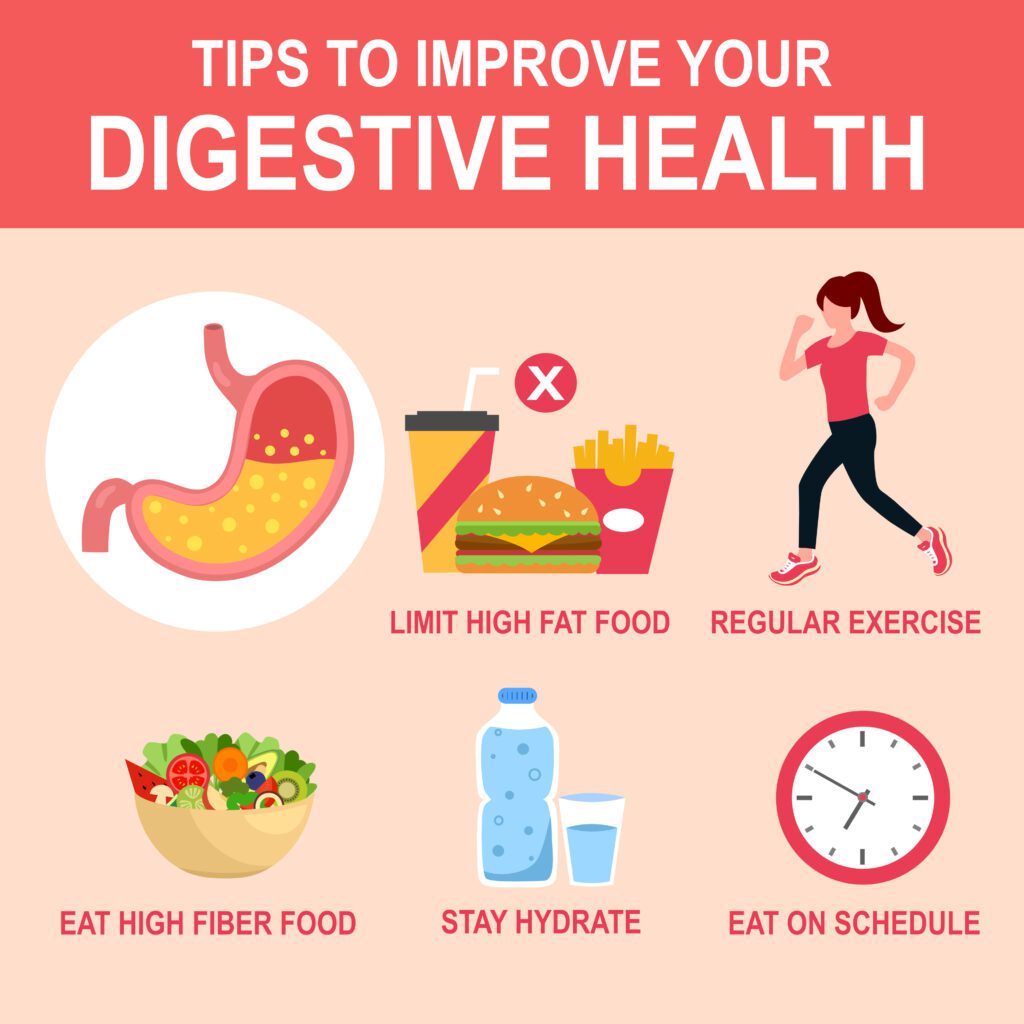
Gas. Bloating. Constipation. IBS. If you suffer from gastrointestinal or digestive problems than you are quite familiar with these symptoms. And if you are one of the millions of Americans who is plagued by digestive maladies, you are probably also constantly searching for relief. Well, there’s good news! The research that’s being done on certain […]
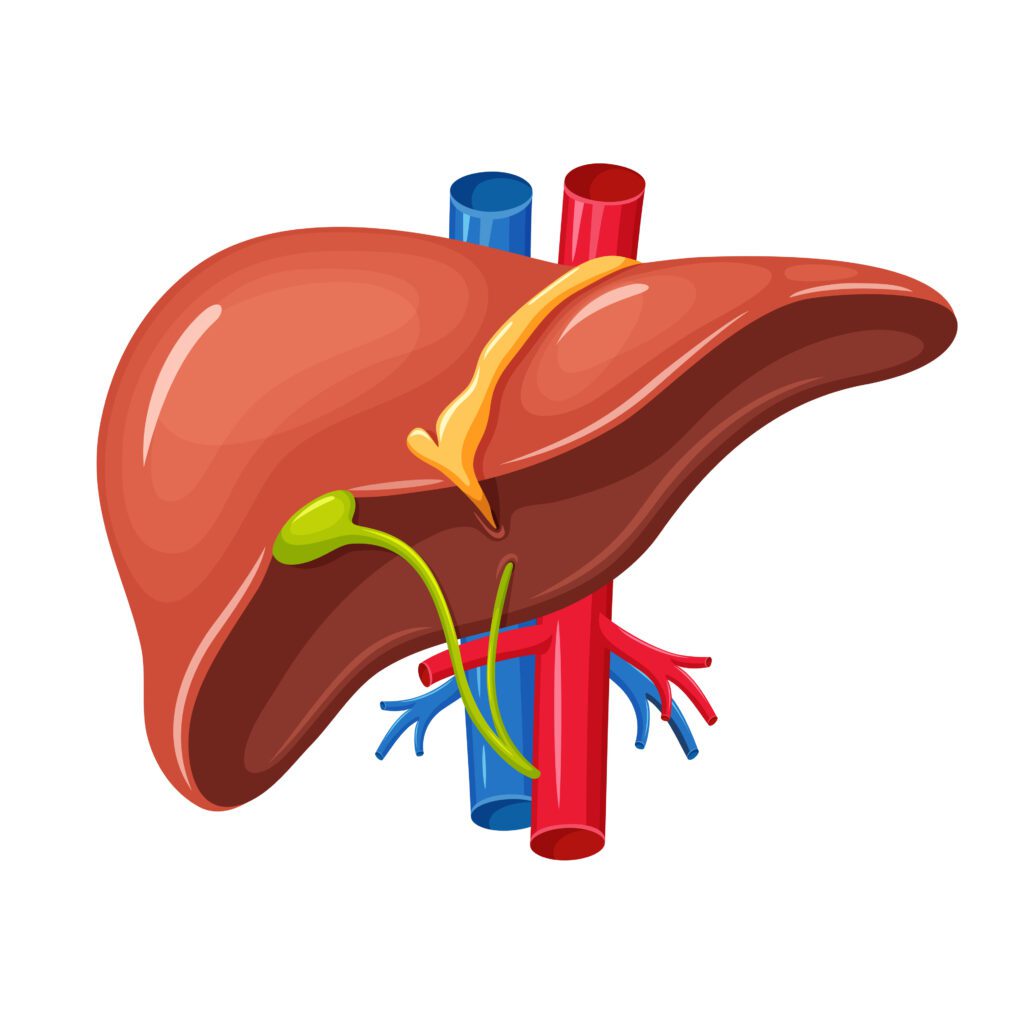
A leading cause of death is liver disease, and often a major contributor to developing liver disease is alcoholism or heavy drinking. Unfortunately, the standard form of treatment for liver disease isn’t as effective if your liver is too far deteriorated or damaged. Recent research, however, is showing promise in the use of probiotics to […]
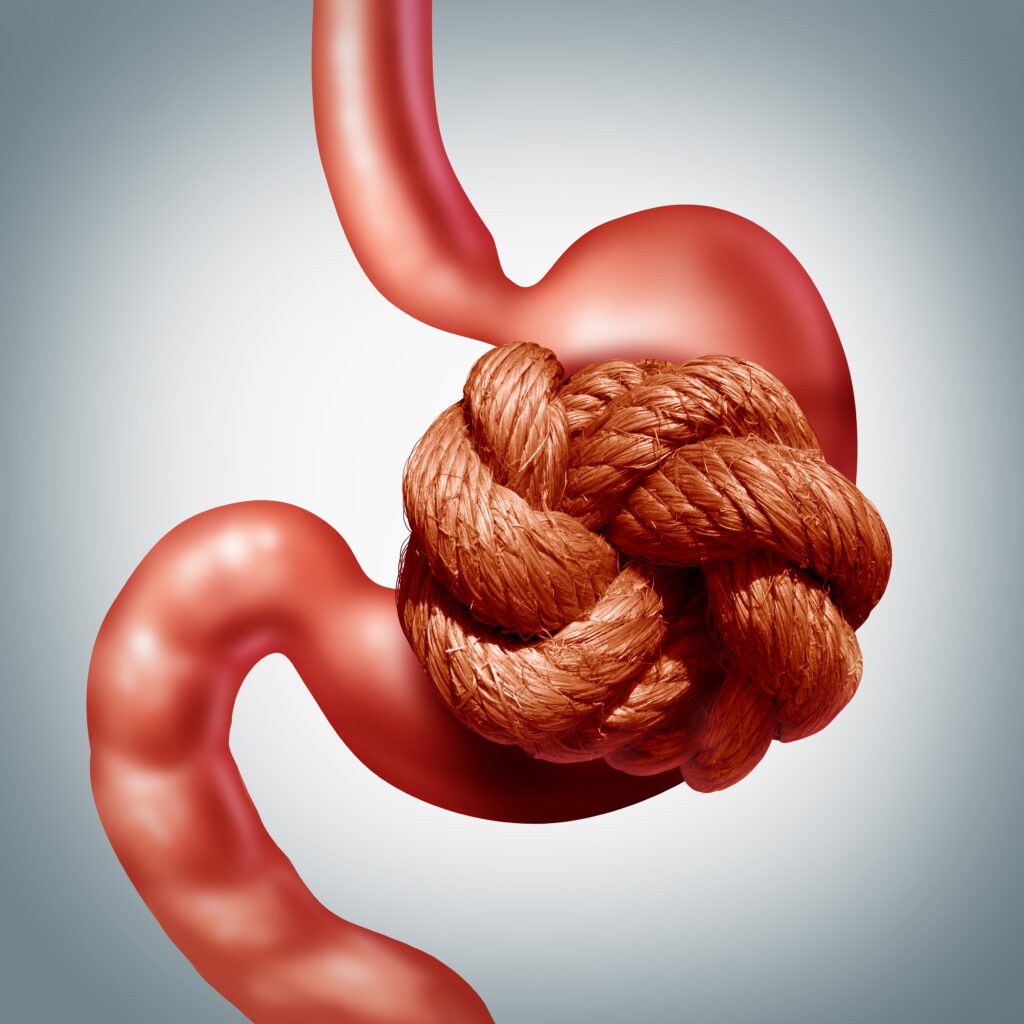
Constipation can be uncomfortable, as well as painful. If you’ve ever suffered from constipation (and who hasn’t?), then you know! The good news is that relief is within reach – and not by resorting to expensive or harsh over-the-counter methods. Keep reading for some natural ways to relieve constipation. There are many reasons why people […]
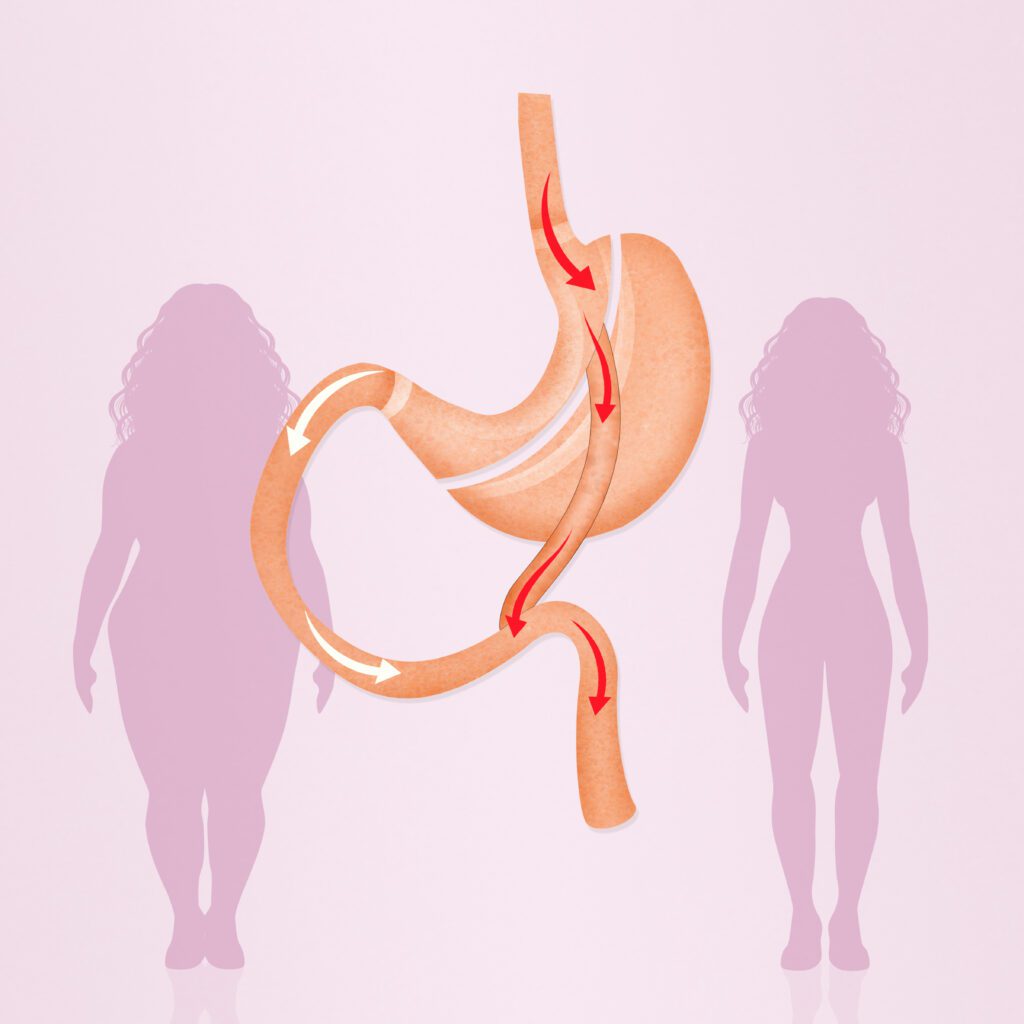
While the options of diet, exercise and dietary supplements are the common methods for most people to combat ongoing weight problems, some will consider surgical methods to attain their weight loss goals. For individuals who are seriously obese, gastric bypass surgery (GBS) can be made to seem like and easy resolution to a lifetime of […]

Heartburn can ruin a perfectly great dinner. There are some natural remedies you can do to prevent or help heartburn, so you can enjoy the foods you love. Heartburn can be annoying and sometimes even make you sick. Many times, our favorite foods are not so healthy, especially that spicy Chili or hot tamales. Whatever […]
Vitamin D. Or, the “sunshine” vitamin as it’s sometimes called. If you don’t know just how important it is for your health, well, you really should. Vitamin D is essential for nearly every single working part of your body – from your heart, to your other organs (including your skin). And now it looks like […]
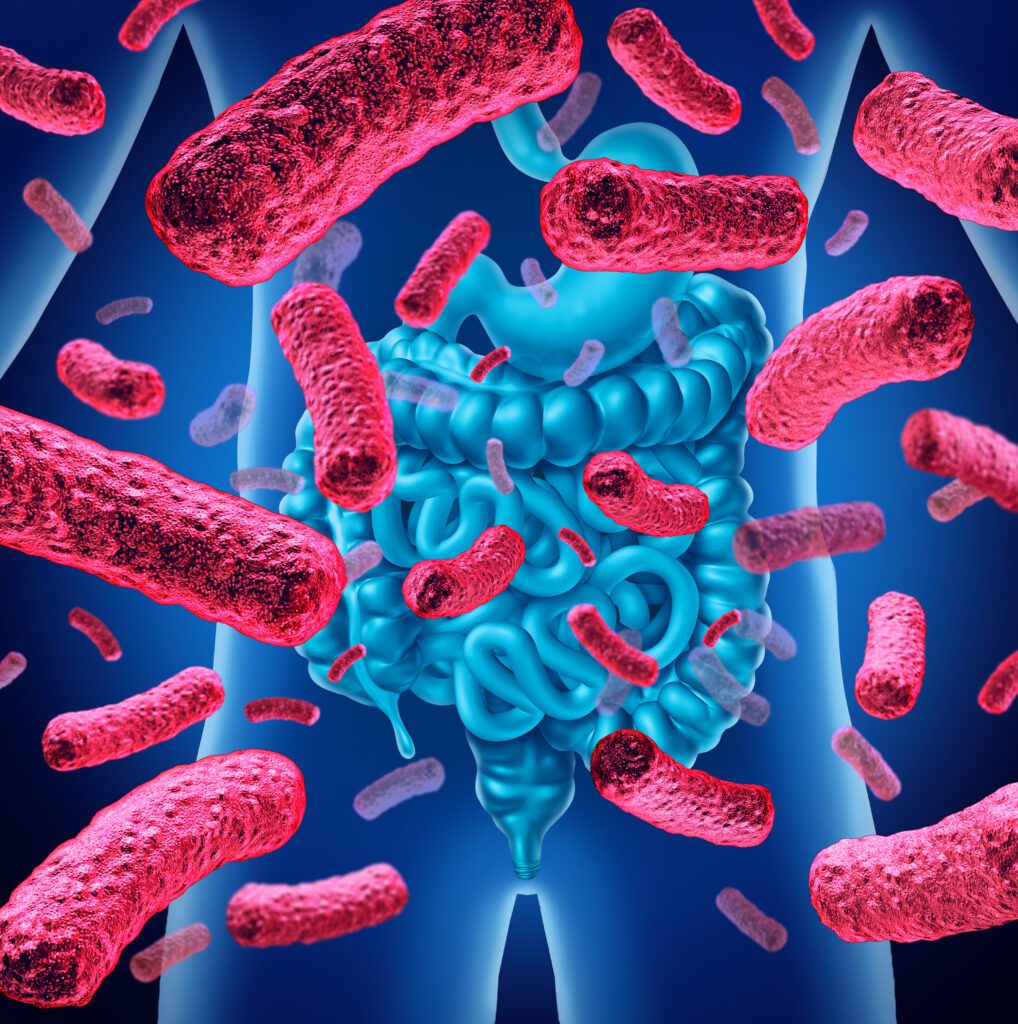
It may sound stranger then fiction but it’s true: the bacteria in your digestive tract may largely determine brain development and adult behavior. Researchers from the Karolinska Institute in Sweden and the Genome Institute of Singapore (led by renowned scientist, Sven Pettersson) reported that the normal bacteria found in your intestines could very well have […]
Traditional Chinese Medicine emphasizes the important relationship between physical health and digestive health. The body, and certain diseases, reflects the personal balance and health of your digestive system. Besides digesting food, your gut plays a major role in your overall health. Recently, there’s been a lot of attention given to the gut and the immune […]
Enzyme supplements are on the rise! By popular demand, they are helping supplement companies stay afloat in a stagnant economy. In fact, growth has been trending since 2013. Some health companies have even doubled the rate of enzymes sales and projects the growth to top out at 6.3 percent by the end of 2016. Healthcare […]
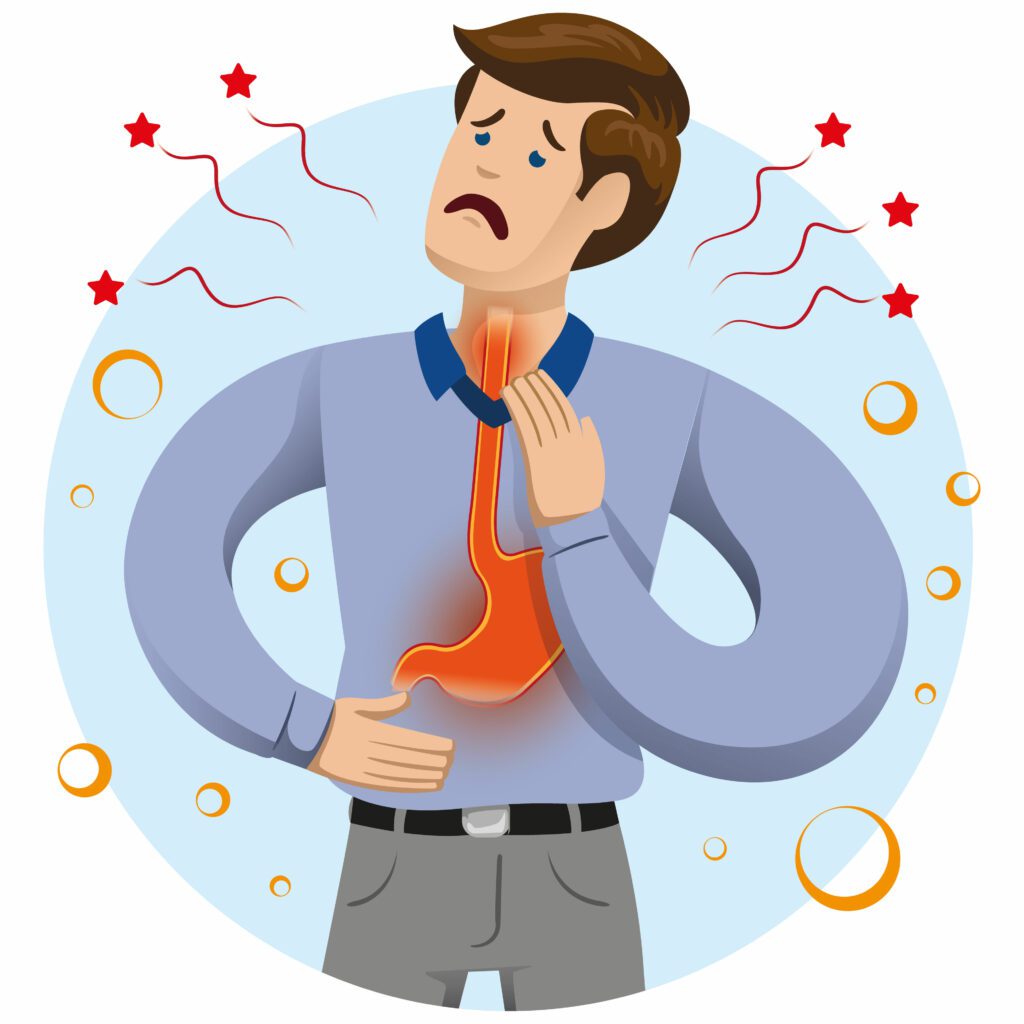
Searching for acid reflux cures? If you’re tired of the painful symptoms of acid reflux then looking for an answer is certainly understandable. After all, “suffering through” can make for some miserable days. The chest discomfort, painful burning as acids from your stomach recede into your throat and esophagus . . . not only is […]
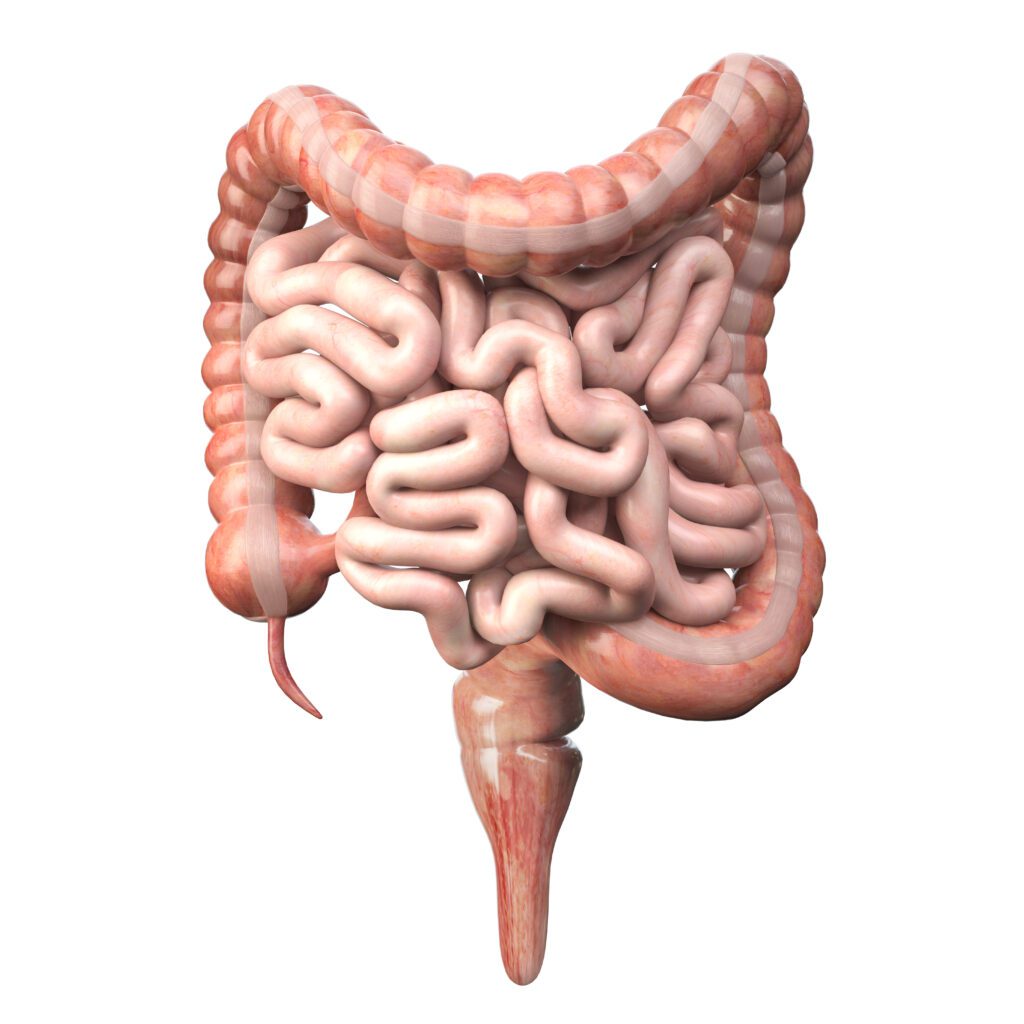
First problems with the diabetes drug Avandia, now this… The FDA has announced the GlaxoSmithKline vaccine for rotavirus, called Rotarix, could increase risk for serious bowel problems – potentially fatal problems. A study conducted in Mexico shows there is an increased risk of developing intussusception within 31 days after the initial dose of Rotarix. Intussusception […]
Nearly all of us know that condoms are the most commonly used form of contraceptives. However, rarely does anyone have an idea about what goes into manufacturing a condom. Yes! We surely do know that almost all condoms are made of latex, but surely that can’t be the only ‘ingredient’ that goes into making a […]
Even though the world is moving away from ‘fat-shaming’, most of us still find it extremely demanding to remain fit and healthy. We have almost developed a reflex action that makes us stay away from any mention of fatty-ingredients. We are rather attracted towards foods low in calories and high in nutrition. While, this is […]
“Let your food be your medicine, and your medicine be your food.” The aforementioned quote has been widely attributed to Hippocrates, the father of medicine. Now, we can only suppose that when he said this, he was talking about those superfoods which display antibiotic properties. Long before the use of allopathic medicines, these foods helped […]

Most of us just assume them to be safe owing to the fresh fragrances they provide, but the truth is that many household cleaning products have dangerous chemicals and toxins lurking in them. These chemicals are still left behind after you’ve finished your cleaning and might just turn out to be more harmful than the […]
Almost all of us have indulged in fast food at some point of our lives. While some are addicted to fast food and consume it on a regular basis, others try to find ‘healthy’ versions of fast food to appease their conscience! Whatever the case may be, most of us are unaware of the fact […]
What is Hidden Hunger? In the simplest of terms, hidden hunger is nothing but the lack of vitamins and minerals in your body. These vitamins and minerals, collectively grouped as micronutrients, are vital towards the proper development and growth of children, and in facilitating normal physical and mental functions in adults. When an individual is […]
Honey has been known for its medicinal properties since ancient times. It has always been used to treat a number of ailments in human beings, but the antiseptic and antibacterial properties of honey have been discovered only recently. Various studies conducted in modern times have proved the super antimicrobial properties of honey. What is Manuka […]

Introduction A recurring question on any shrimp lover’s mind is whether or not farm-raised shrimp is safe to consume. One must remember that the shrimp business, just like any other business, is a competitive one, Therefore, it is a very profitable and cost-effective practice to raise shrimp in farms on a large scale. This is […]
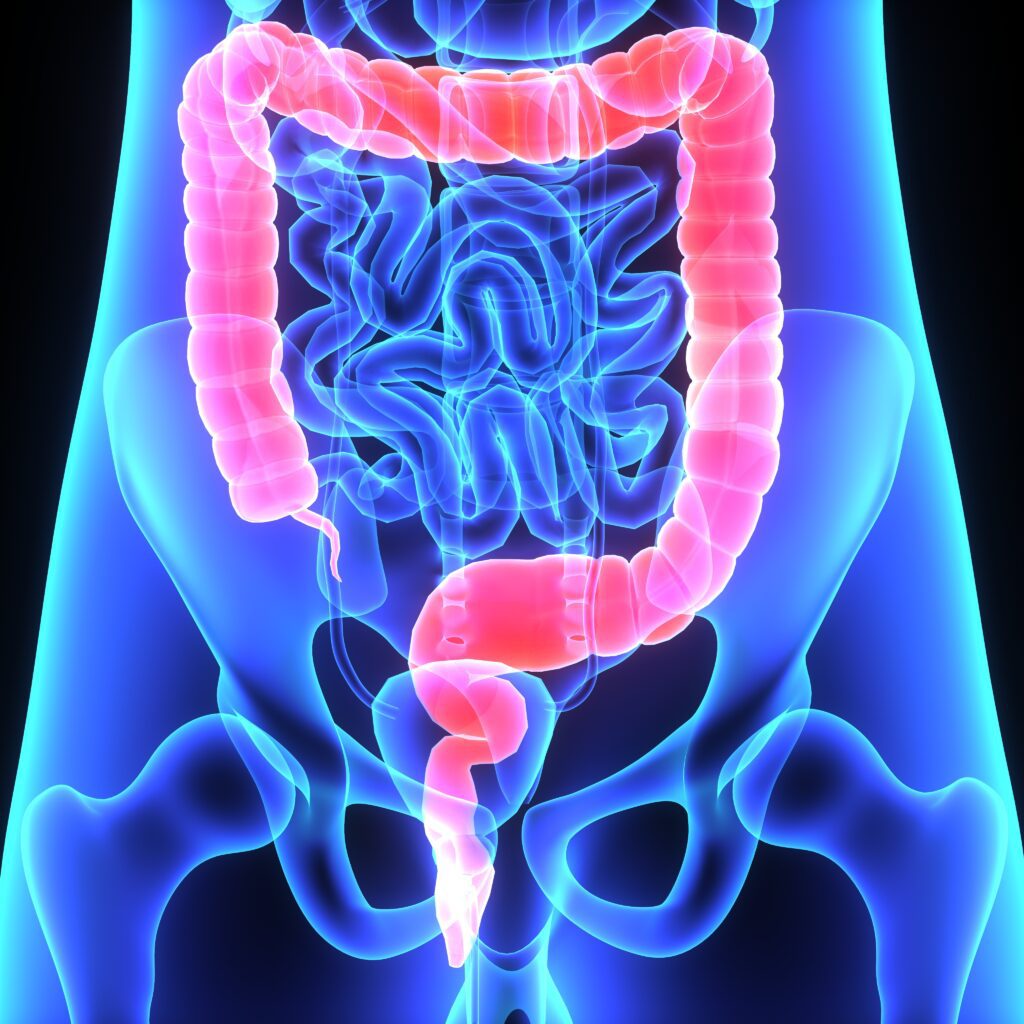
What is IBS? In layman terms, IBS is nothing but a group of symptoms like abdominal pain and drastic changes in bowel movements that has a negative effect on the quality of one’s life through the passage of time. Anxiety issues, depression and chronic fatigue are common among patients suffering from IBS. IBS has been […]
Proteins are considered to be the building blocks of our body. They are integral to a human being’s growth, health and overall well-being. Now, the general misconception with proteins is that all kinds of protein are good for you. However, this is far from the truth. In moderation, proteins are probably the most important part […]
Scientists are increasingly discovering many more benefits from consuming foods with sufficient levels of probiotic bacteria. Probiotics are dietary supplements and live microorganisms containing potentially beneficial bacteria or yeasts. There is a landmark medical study conducted by experts on the front lines of hospital infection control. Hospital researchers recently made public a major study using […]
It’s hard to see your friends and family enjoying all your favorite foods when your body denies you the same pleasure. The culprit? Acid reflux. As much as you’d like, you can’t indulge in the second (or sometimes even first) bowl of chili, or have those hot peppers anymore because of it. You may take […]
Acid Reflux/GERD. A very serious, often painful disease. Here’s a new option and some potential explanations. A New Explanation for the Increase of Acid Reflux Cases and A New Remedy that Goes to the Root of the Problem Anyone that has acid reflux or has a loved one that suffers from the disease probably knows the following— […]
Who couldn’t use a simple, scientific approach for addressing their health issues? Here are my suggestions. SMART Methods to Eliminate GERD or Any Health Concern Everyone’s different. We have heard it a million times. No two people are exactly alike. We share a similar physiology but with minute differences that often manifest in big ways. […]
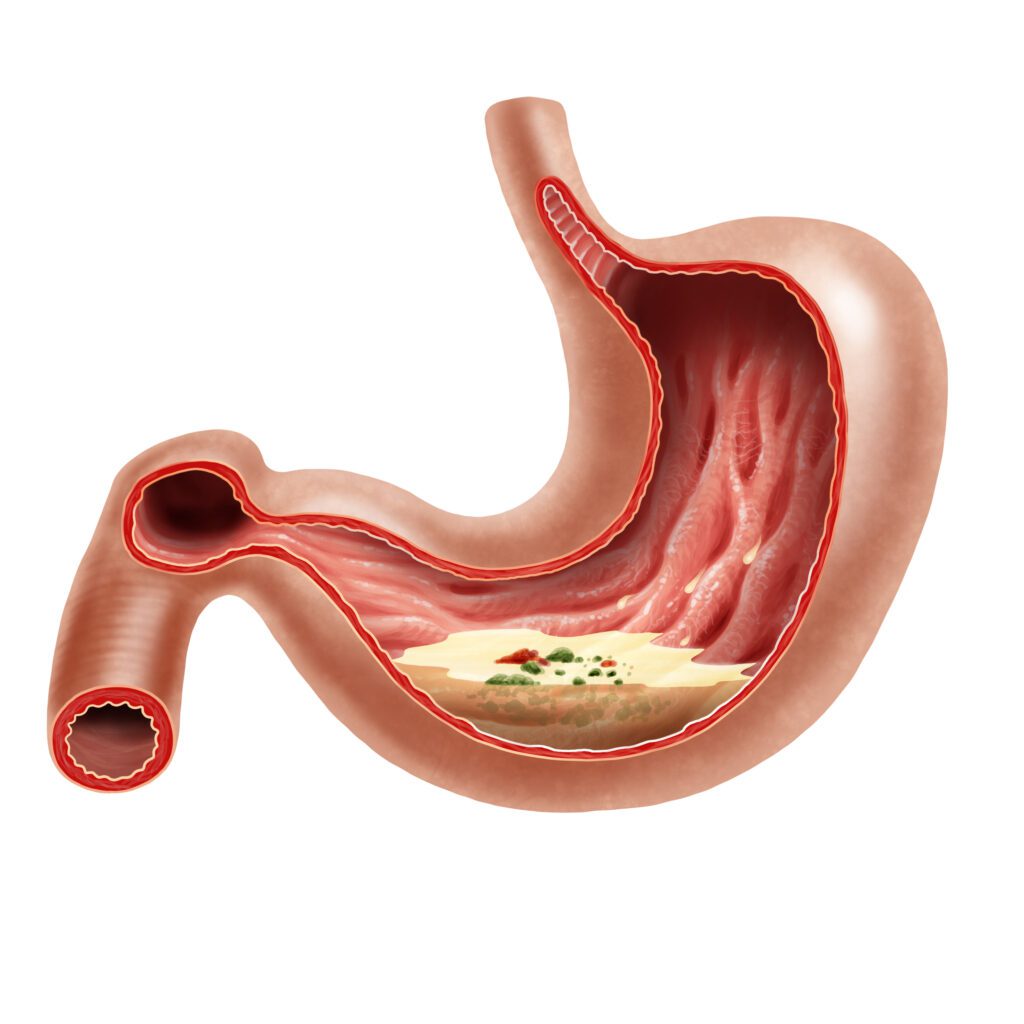
If you suffer from acid reflux (and it’s likely that you are one of the millions of Americans who do), you may be making a big mistake in trying to treat it! If you take drugs like Prilosec or Prevacid to ease your acid reflux, you may actually be harming your digestive health. Keep reading […]

Colon health is something that each and every one of us should be concerned about. And now, for people with a history of colon polyp formation, a new study suggest that use of selenium based antioxidant supplements might help prevent the development of new colon polyps. Keep reading for more information on this recent research. […]
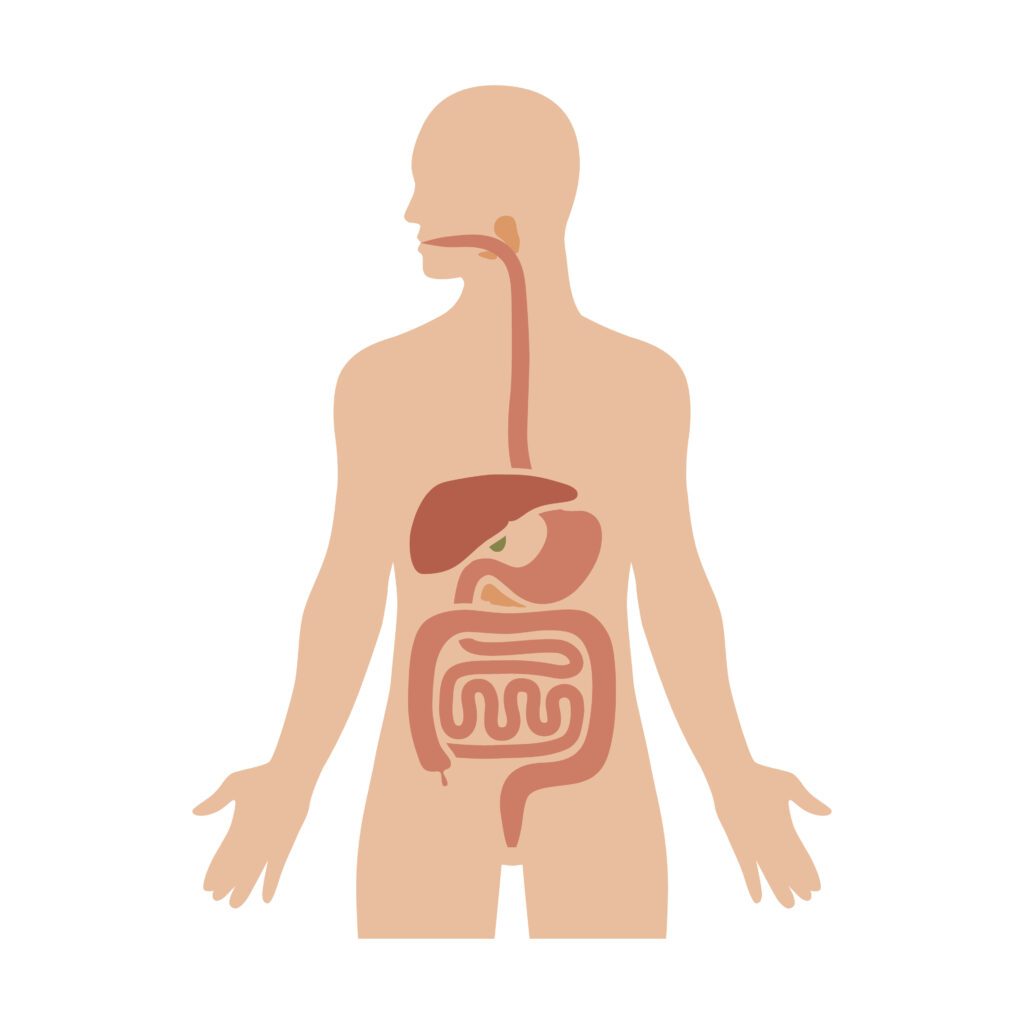
One of the most prevalent diseases out there today has to do with digestion: Celiac disease. While few people clearly understand exactly what Celiac disease is; even fewer know they have it. It was recently found that approximately 97 percent of people with Celiac disease have never been diagnosed. In this article, we will discuss […]

In a recent study, conducted at the world famous Mayo Clinic in Rochester, Minnesota, researchers have found what they believe to be a link between an increased risk of developing Parkinson’s disease and those who suffer from constipation. The study, conducted by Mayo’s Dr. Walter A. Rocca and colleagues, found that a history of constipation […]

While the occasional bouts with gassiness happen to you from time to time, they are usually the result of a particular food item that you ate. In most cases these occurrences are nothing more severe than mildly uncomfortable and a source of temporary embarrassment for you and those around you. For others of you, the […]
You’ve most likely been hearing the praises of probiotics lately, and it’s no surprise why. Research on probiotics has suggested health benefits ranging from digestive support to promoting healthy cholesterol. But which strains of “good bacteria” should you be incorporating into your daily regimen? In our probiotic series, we take a look at four of […]

Probiotics are often recommended for those with digestive and stomach problems but recent research indicates that they can do a lot more by way of health benefits. While probiotics are often recommended for those who have conditions such as Irritable Bowel Syndrome, a study published in Vaccine found that there are numerous health benefits to […]
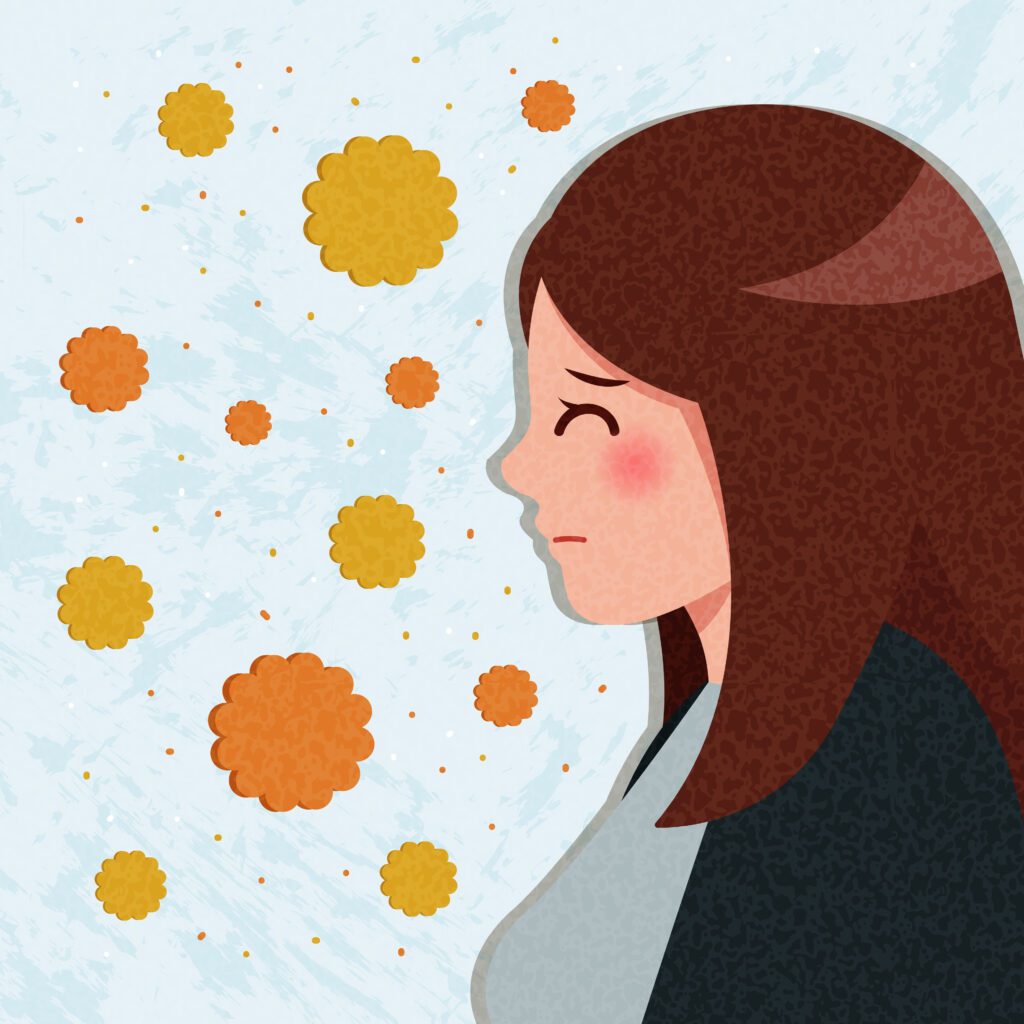
For years, hay fever sufferers have had to endure the sneezing, sniffling and all-around breathing difficulties that just came with the season. However, new research is hinting that probiotics have the power to help the body’s immune system adjust to grass pollen, which is the most common culprit of hay fever and other seasonal allergies. […]
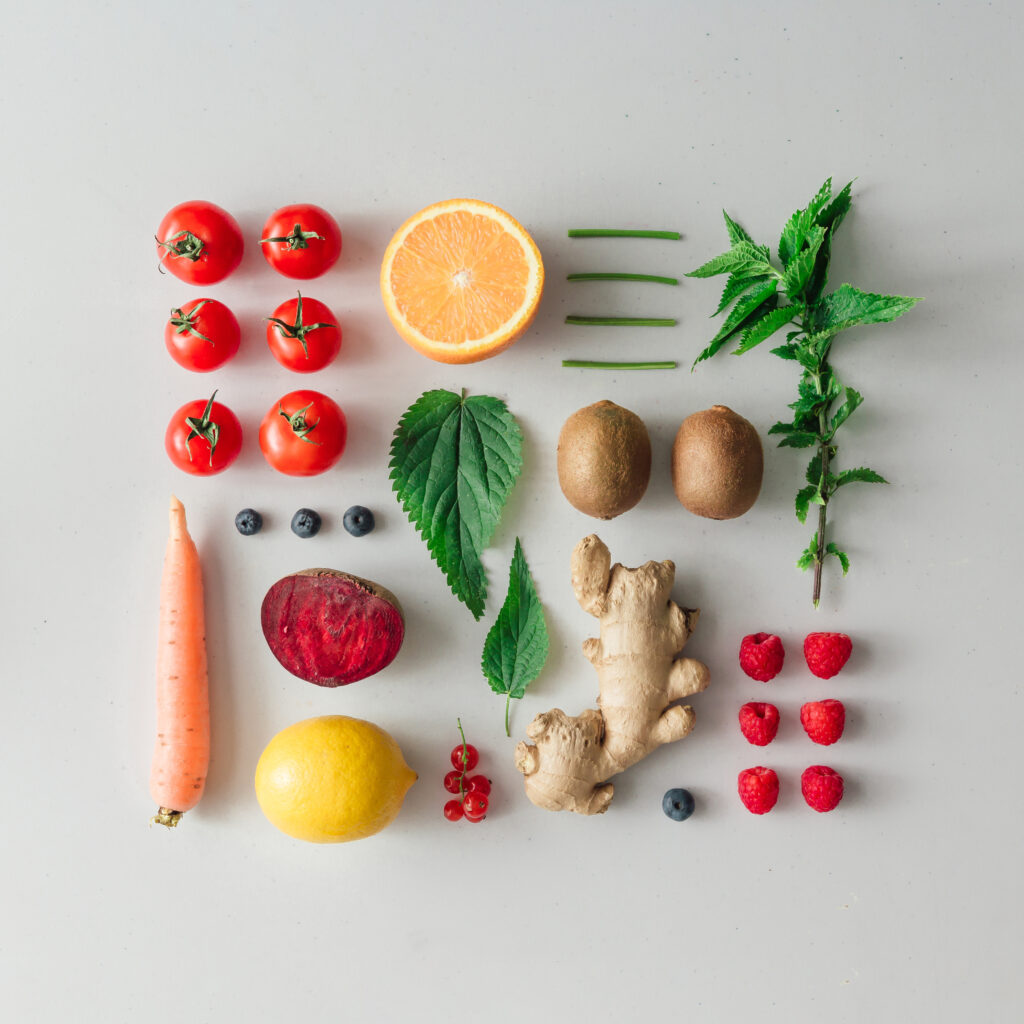
For the secret to a longer, happier, and healthier life, look no farther than your local grocery store. That’s right—super foods are high in antioxidants and have anti-aging and disease-fighting properties. What’s more, they are low in or completely free of harmful trans fats and refined sugars, which can contribute to high blood pressure, diabetes, […]
Aging well is possible. Recent scientific evidence demonstrates that lifestyle adjustments can ensure health through all ages. Aging is usually associated and often accompanied by general deterioration of health and development of age-related conditions and diseases. This has led to the public fear of aging and attempts to defy it through variety of means. Biological […]
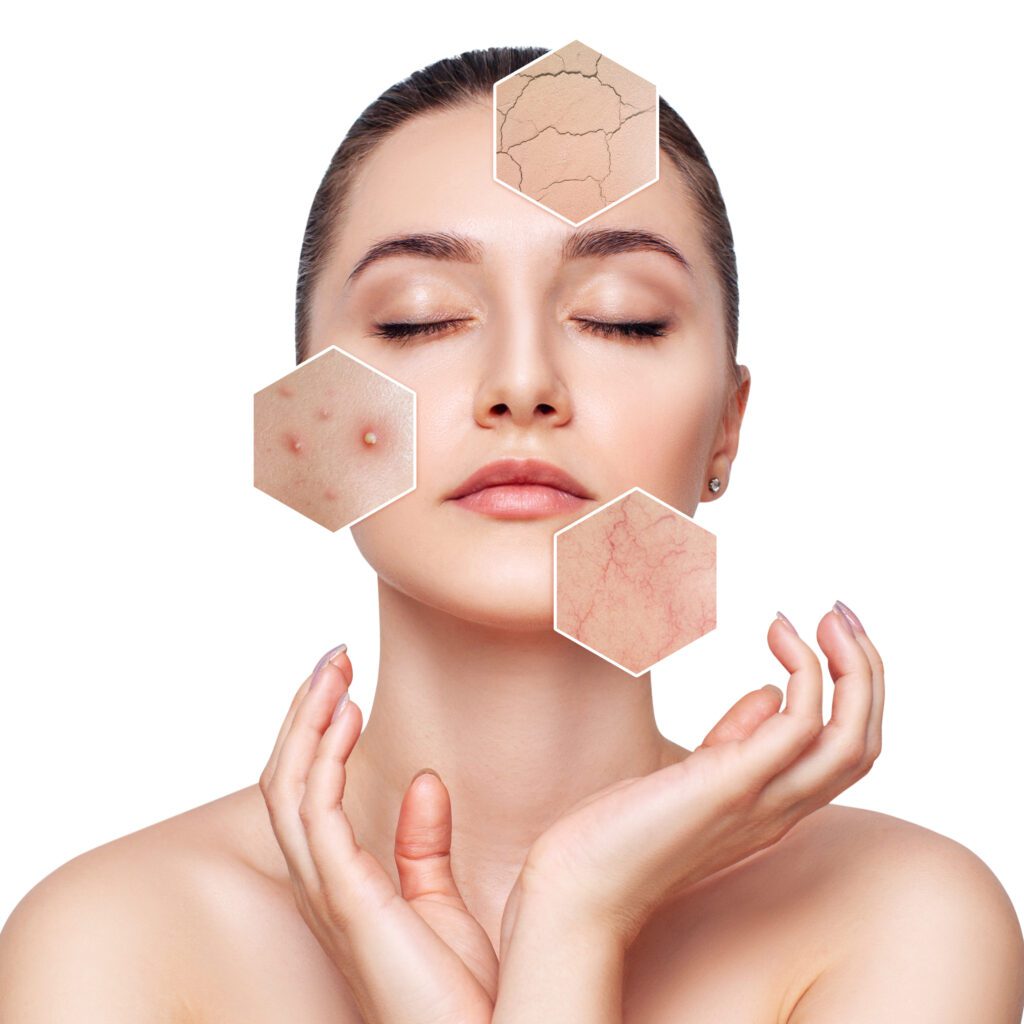
I don’t know about you, but when I entered my 30s I started to think a lot more seriously about taking care of my skin – and how to prevent it from aging. If you’re lucky, you started thinking about this much earlier than that – even as early as your teens. However, most of […]

Is it possible to stop aging in its tracks? While it’s true that the many ways aging can affect your body and mind have a lot to do with genetics, the good news is that some of those changes can be delayed—even prevented or reversed. Modern medicine and a better understanding of alternative remedies have […]
What differentiates those that live a long healthy life and those that fall victim to disease? Well…it’s not a simple, clear-cut answer. However, there are a few things within our direct control that probably play a significant role in longevity, including healthy eating habits, regular exercise and a positive mental attitude. With the proper education, […]
A new research study has found that because older adults have a lower overall level of vitamin D in their systems, they need to take higher doses to get back into balance. The study also determined that the best way to regain that balance is to take vitamin D supplements. The study, entitled Correcting Poor […]
There are an abundance of things we can do, and an abundance of products/supplements we can take to make sure our skin is as healthy as it was 10, maybe even 20 years ago! Eat Right: Healthy Skin Starts with Healthy Eating Its when people say you are what you eat. Indulging in unhealthy food […]

Stay young with these home remedies for looking and feeling young on the inside and out! The trick to staying young is not only from how you look on the outside, but how you feel on the inside. While there are many different products available these days to help you on your quest for the […]

Is it possible to stop the hands of time? The idea is certainly appealing, especially as you start to notice how the passing of time impacts your body . . . both inside and out. Those effects are more noticeable the longer you live, and as a whole, individuals are living longer now than previous […]

Just because you’ve passed a certain number of milestones in your life does NOT mean you have to surrender to the effects of aging. It’s never too late to start turning back the years, no matter what you may think when you look in the mirror or try to work and play like you did […]
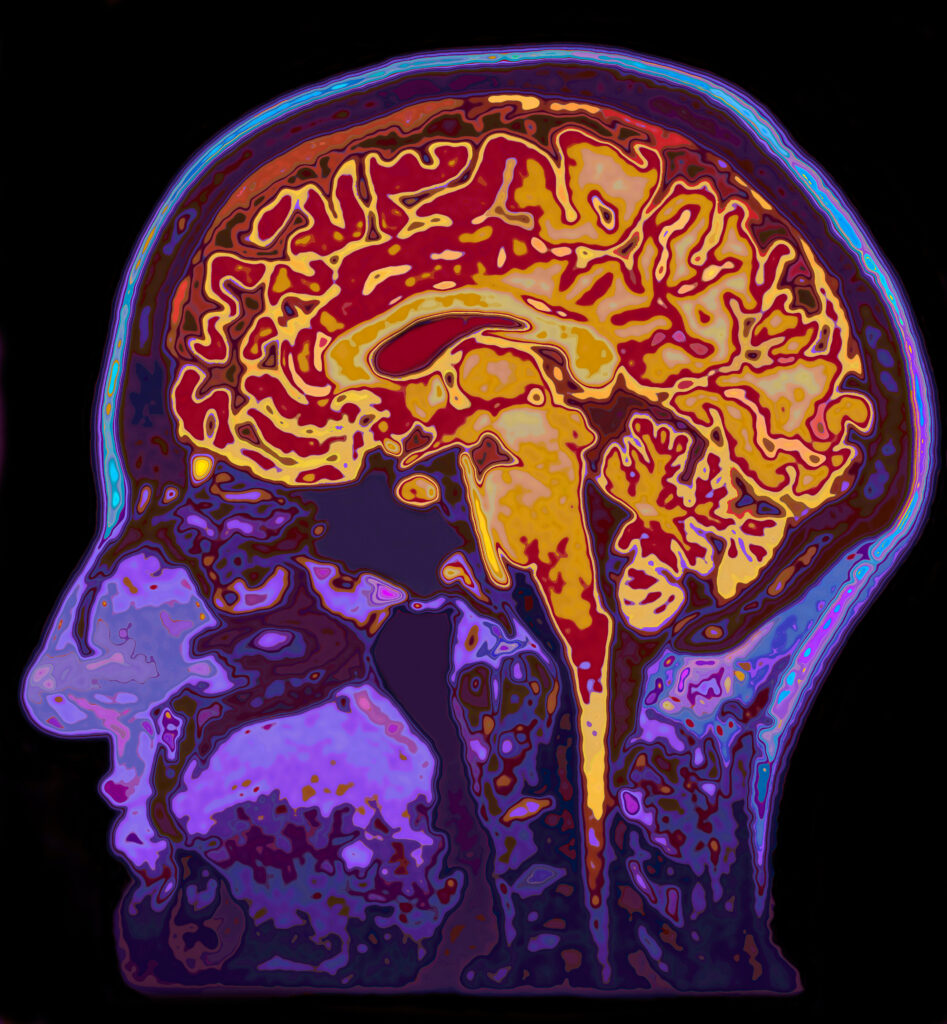
Growing older often means foggy memories and worrying about the progression of dementia. However, the result of a two-year clinical trial has been released that offers new hope for a sharp and active mind for years to come, no matter how old you may be right now. In the study, members of a group of […]

Botox™, spa treatments, and a bright sparkling smile are not the definitive solution to staying young past the age of sixty. What is the key? SEX – lots and lots of it. If you’re 60 or older you may be delighted to hear research reveals sex is the one secret ingredient for aging well. It […]
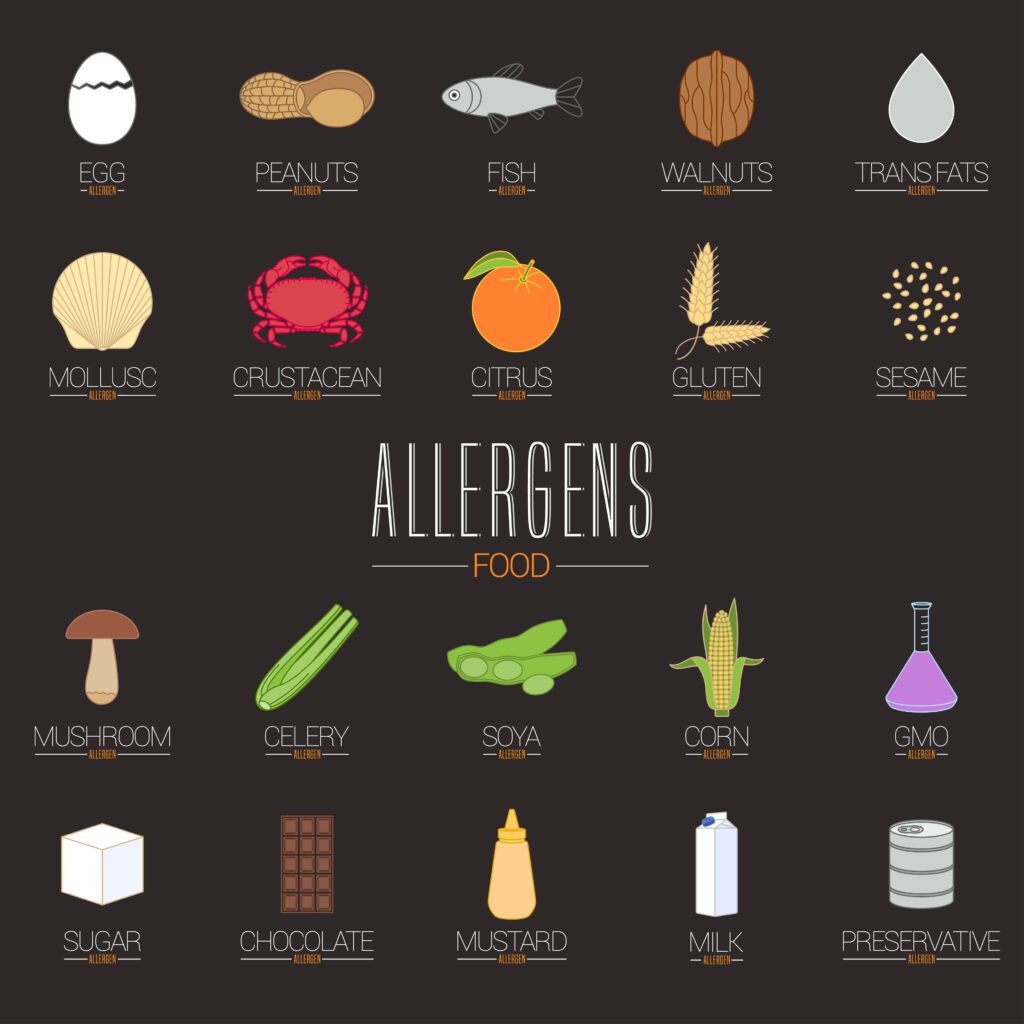
Why would children be allergic to peanuts? Some children fatally allergic? I read in the book “Healing the New Childhood Epidemics, Autism, ADHD, Asthma, and Allergies”, by Kenneth Bock, M.D. and Cameron Stauth about his theories about allergies and how he is actually healing the children. The puzzle of why peanuts should be a major […]
Are you living with one or more food allergies? You’re not alone! Over 12 million Americans have food allergies, according to the American Academy of Allergy, Asthma and Immunology. Out of those people, 6.9 are allergic to seafood and 3.3 million are allergic to peanuts and/or tree nuts. Other foods that commonly lead to allergies […]
Are you plagued by sneezing, a runny nose, watery eyes, and wheezing? You could be suffering from hay fever. Also known as allergic rhinitis, hay fever is an allergic condition triggered by airborne pollen. Dust and chemical particles that are also floating around in the air can exacerbate the condition and make symptoms worse. In […]
When the seasons start to change – particularly from winter to spring – do you notice that you’re easily congested, with itchy, watery eyes? If this sounds familiar, you may be one of the millions of Americans affected by seasonal allergies. Keep reading to find out how you can lessen your symptoms and be allergy-free. […]
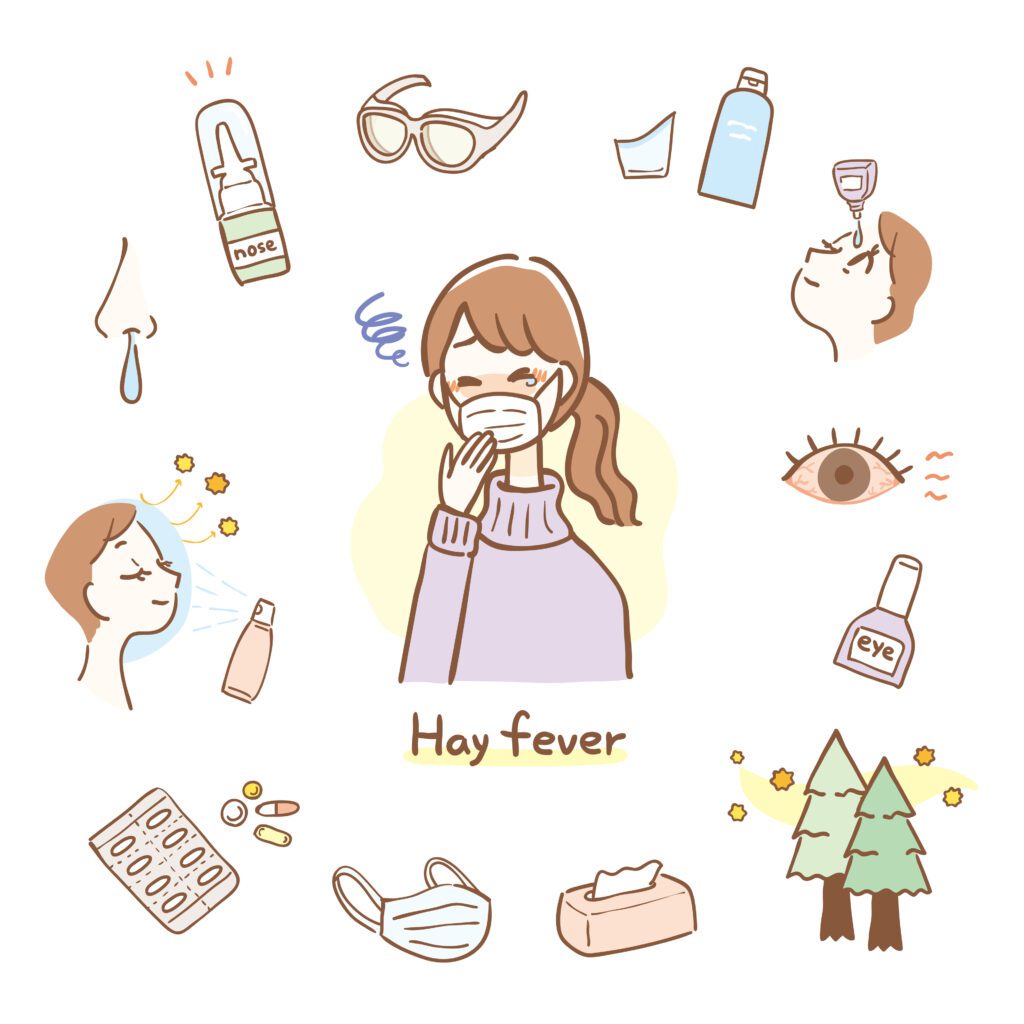
Ahhhh . . . The sneezing. The stuffiness. The sinus pressure. You’ve felt it. I’ve felt it. It’s HAY FEVER! And no matter how hard you try to stop it, ease it, or prevent it, nothing seems to work. Until now. Research may have found a cure for hay fever. That’s right – not just […]
Do you have allergies? An estimated 50 million Americans do, according to the American Academy of Allergy Asthma & Immunology—and more than half are allergic to more than one thing. Allergy symptoms, which can include sneezing, wheezing, runny nose, headaches, rashes, and itching, can vary in severity. But whether your symptoms are mild or severe, […]
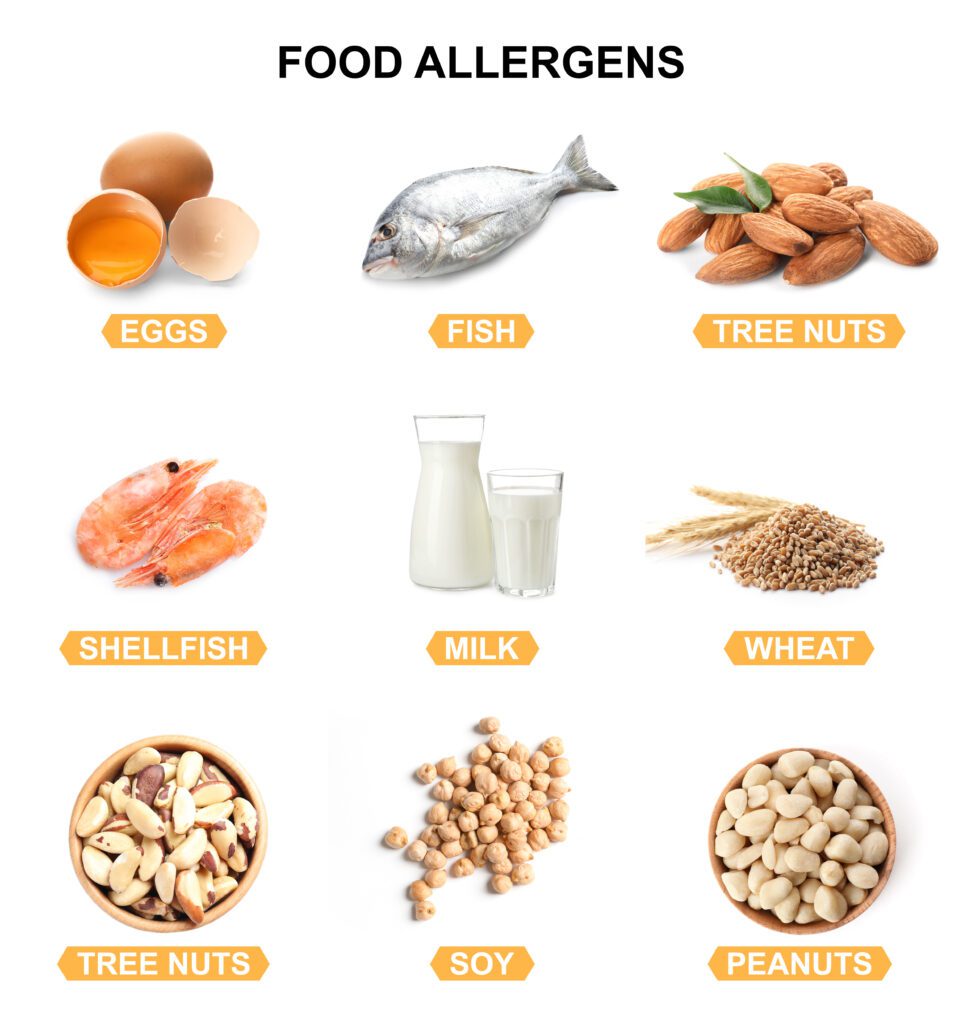
You may have heard of people having negative reactions to certain foods like seafood or nuts, resulting in a swollen air-pipe or hives. But could food allergies be causing your upset stomach? According to research, your stomach discomfort (dyspepsia) is more likely to be caused by food intolerance rather than a food allergy. It’s easy […]

Spring is in full swing, and along with all the natural beauty of this season comes another common component: allergies. One of our readers asked a question about the development of allergies during menopause, any time of year. This is a complex area with many possible connecting threads. Menopause is a time when the ovaries […]
Hay fever, also known as allergic rhinitis, affects a large number of people. The condition is caused by an allergic response to indoor or outdoor airborne allergens, such as pollen, dust mites or pet dander. Learn more about hay fever and what are the new methods being used for its treatment. Hay fever, also known […]
For the secret to a longer, happier, and healthier life, look no farther than your local grocery store. That’s right—superfoods are high in antioxidants and have anti-aging and disease-fighting properties. What’s more, they are low in or completely free of harmful trans fats and refined sugars, which can contribute to high blood pressure, diabetes, and […]

Is it possible to stop aging in its tracks? While it’s true that the many ways aging can affect your body and mind have a lot to do with genetics, the good news is that some of those changes can be delayed—even prevented or reversed. Modern medicine and a better understanding of alternative remedies have […]
I don’t know about you, but when I entered my 30s I started to think a lot more seriously about taking care of my skin – and how to prevent it from aging. If you’re lucky, you started thinking about this much earlier than that – even as early as your teens. However, most of […]

If you’ve been keeping up with the latest health news, you’ve probably heard of the wonders of resveratrol. It’s an antioxidant so powerful it has been heralded a modern day “fountain of youth.” This potent anti-aging compound is found in wine, fruits, some nuts, and cocoa, and it promises some pretty remarkable health benefits. Usually […]

While diet fads change like the wind, there is one certain way to judge the effectiveness of nutrition advice. Look at people who have lived long and healthy lives and see how they did it. People who live 100 years or longer often have a “common denominator” that helps account for their longevity. Take Bernando […]

What tactics do you use to fight aging? Eating right? Exercise? Plastic surgery? While it’s impossible to stop the aging process completely (even with plastic surgery), it is possible to slow it down and decrease its impact on the way you look and feel. And if you haven’t heard, now you can add red wine […]

Botox™, spa treatments, and a bright sparkling smile are not the definitive solution to staying young past the age of sixty. What is the key? SEX – lots and lots of it. If you’re 60 or older you may be delighted to hear research reveals sex is the one secret ingredient for aging well. It […]

Just because you’ve passed a certain number of milestones in your life does NOT mean you have to surrender to the effects of aging. It’s never too late to start turning back the years, no matter what you may think when you look in the mirror or try to work and play like you did […]
Eating the right foods can not only help you look younger, feel younger but can lengthen your life! Defeating the aging process is really not that hard by using good sense and can be obtained through making the right, healthier food choices. Here is some practical information to help you to acquire a balance diet […]
There are an abundance of things we can do, and an abundance of products/supplements we can take to make sure our skin is as healthy as it was 10, maybe even 20 years ago! Eat Right: Healthy Skin Starts with Healthy Eating Its when people say you are what you eat. Indulging in unhealthy food […]

It’s an exciting time to be alive! There have been so many new anti-aging discoveries recently, and because of medical research and advancements, people are actually living longer today and aging more gracefully than ever before. Incorporate the following 5 tips into your daily lifestyle and begin to see the anti-aging benefits. Diet Aging gracefully […]
Stay young with these home remedies for looking and feeling young on the inside and out! The trick to staying young is not only from how you look on the outside, but how you feel on the inside. While there are many different products available these days to help you on your quest for the […]
Here’s a hopeful fact about the world’s best marathon runners. They tend to peak in their mid to late 30s, which tells us something about endurance as we get older. The message? It’s loud and clear that running, walking, swimming, bicycling and using any of the various cardio machines at the gym are good ways […]

There’s no denying it: your body is growing older each and every day. But all is not lost! By taking proper care of your body now, you can dictate how your body handles the aging process. Keep reading for some simple, holistic tips to help you keep your youthful appearance – both on the outside […]
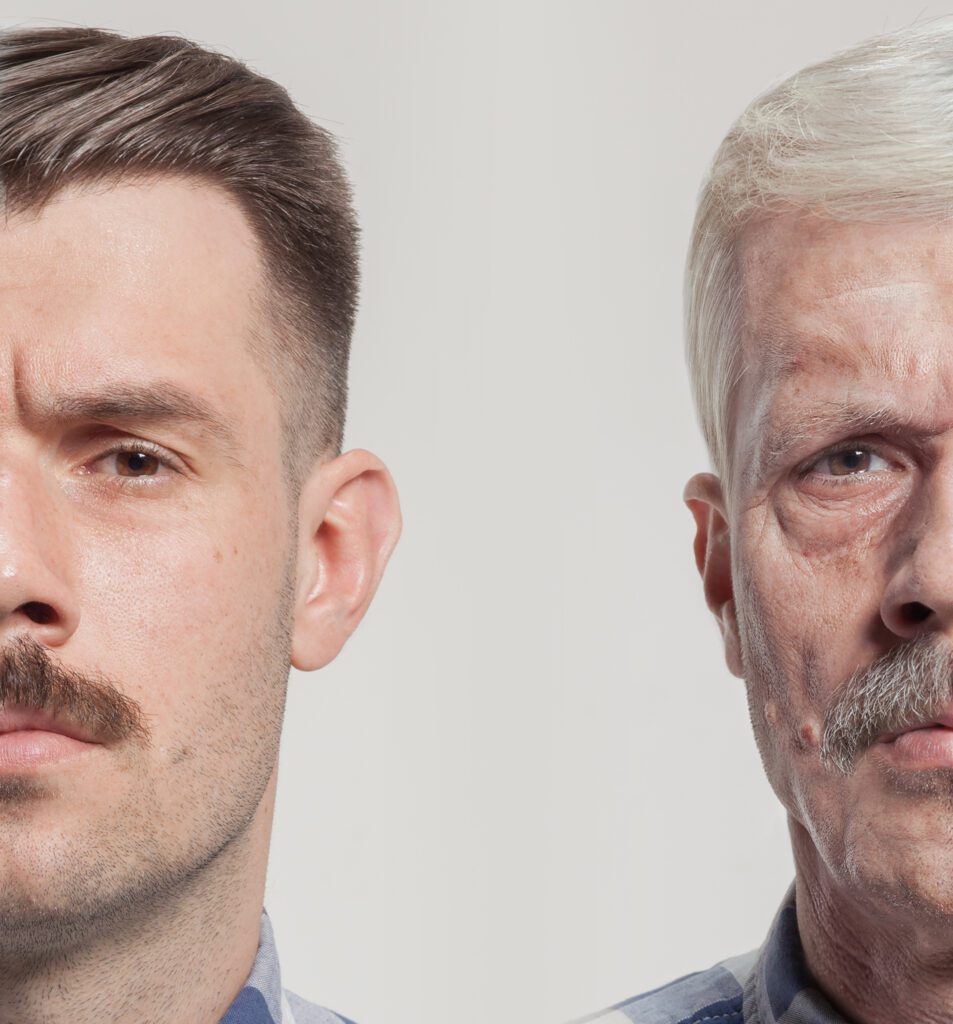
As the medical community makes amazing strides to extend the human lifespan, more and more emphasis is being put on extending the quality of life. Consequently, there are many products on the market today which promise to slow or reverse the effects of aging on the body and the mind. There are several common herbal […]

Did you know that you are literally rusting as you grow older? That’s right – many of the physical and even mental changes associated with aging can be attributed to the chemical process known as oxidation – the same process that causes metal to change color and deteriorate when left unprotected and exposed to air […]
Is it possible to stop the hands of time? The idea is certainly appealing, especially as you start to notice how the passing of time impacts your body . . . both inside and out. Those effects are more noticeable the longer you live, and as a whole, individuals are living longer now than previous […]
The word that is heard over and over when it comes to living longer is ANTIOXIDANTS . . . and the more the better! But there are other age-fighting nutrients that also help. Starting to eat foods that have anti-aging properties now will benefit you in the long run in reducing the risk of heart […]

What tactics do you use to fight aging? Eating right? Exercise? Plastic surgery? While it’s impossible to stop the aging process completely (even with plastic surgery), it is possible to slow it down and decrease its impact on the way you look and feel. And if you haven’t heard, now you can add red wine […]
You’ve probably seen the television commercials and magazine advertisements promoting anti-aging products and tactics, from magic skin creams and cosmetics to plastic surgery and laser therapy. Some guarantee immediate results while others promise to completely reverse your signs of aging. But do these options really deliver your own personal fountain of youth? Most likely not. […]
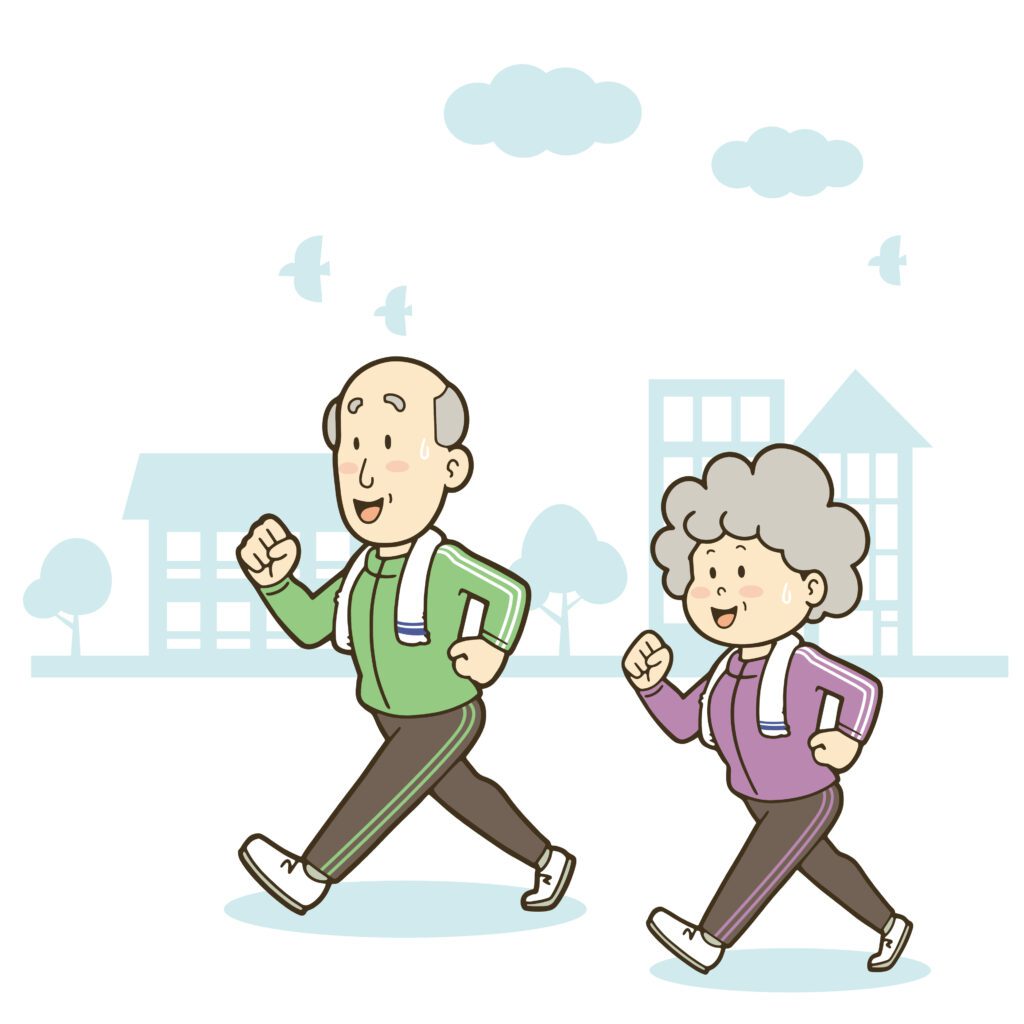
Aging well is possible. Recent scientific evidence demonstrates that lifestyle adjustments can ensure health through all ages. Aging is usually associated and often accompanied by general deterioration of health and development of age-related conditions and diseases. This has led to the public fear of aging and attempts to defy it through variety of means. Biological […]

Smokers who finally manage to kick the habit are quick to tell you the first days are marked with nervous jitters, anxiety, and a strong craving for a nicotine fix. What you don’t hear so much about is the great feelings of lingering sadness that some experience without their cigarettes. A new study by the […]

Anyone that has ever been caught in the throes of depression understands it’s a devastating, and at times debilitating, illness. It’s like a thief that robs you of your energy, concentration, memory, libido, and enjoyment in things that used to bring you pleasure. In the most severe cases, it can even take away your will […]

Misophonia: When Nerve-Grating Noises Send You into a Rage The crunchy-munchy sound of your co-worker eating potato chips. Your partner taking a large bite out of a crisp apple. Anyone engaged in gum-smacking. These examples are enough to drive most of us a little (ok, a LOT) nuts. But for some individuals, these sounds are […]

Do you think memory changes are only for aging women? Not so, according to new research from UC Irvine. Younger women who use birth control pills experience changes in memory as well. The reasons for these changes are rather enlightening – and surprising. UCI graduate researcher Shawn Nielson said, “What’s most exciting about this study […]

Hot dogs, baseball, and apple pie. What could be more American than that? But if you tend to enjoy a hotdog (or two) while watching your favorite team, you may want to think twice next time you’re in line at the concession stand. Some experts say you might as well light up a smoke. Yup, […]
Sometimes you yawn when you’re sleepy and sometimes you yawn when you’re just plain bored. We’ve all experienced a deep, wide-mouthed yawn at some time or another. But what you may not realize is that the frequency of your yawns change with the season. Believe it or not, you’re more likely to yawn in the […]
Perhaps the most universal sign of enamored affection is the kiss. Young adolescent girls dream of their first kiss; newly married couples seal their commitment with a kiss; and steamy make-out sessions on the big screen usually signify at least some level of affection. But aside from the obvious pleasures, what else can a kiss […]
We’ve known about the dangers of BPA (the dangerous industrial chemical bisphenol A associated with possible links to cancer) for some time now. For more than 40 years BPA has been used in the manufacture of many hard plastic food containers such as baby bottles, reusable cups, and the lining of metal food and beverage […]
Women can contract yeast infections in several ways. It is very important to make sure that you have correctly identified the infection. Since there is at least one very serious condition that can be mistaken for a vaginal yeast infection that requires totally different treatment, identification is essential. Women can contract yeast infections in several […]

Are you the type of person to be easily embarrassed by such things as getting called on in class, getting recognition at work or tripping in public? A recent study from researchers at UC Berkeley suggests that people tend to trust those who are easily embarrassed more than those who are not. The findings confirm […]
These days anything labeled as “natural” or “organic” is a marketing goldmine. From natural skin care products to natural fruit juice, the word is tossed about in marketing circles and then delivered to trusting consumers like manna from heaven. But what does “natural” mean, exactly? In many instances, not much. And if you think cosmetically […]

Summer is here, so put on your best sundress, pack that cooler, fire up the grill and have fun! But before you hit the beach, park or cookout, there’s a few do’s and don’ts you should know about in order to have a happy (and healthy) summer. DO keep food refrigerated: Leaving food out in […]
Most of us wish that we could live forever . . . or at least to the milestone of 100! But few of us actually bother to do what it takes to increase our chances of a longer and healthier life – even though there are some really simple and quick ways to ensure longevity. […]
Who really tolerates pain better – men or women? The way I’ve seen men complain when they’re sick or hurting makes me think that the female sex might be more “stoic” when it comes to suffering. We do, after all, birth babies. But am I wrong? A Battle Royale There’s no doubt that an ongoing […]

Trusted Health Organizations with Hidden Agendas – Part 1 If you’ve paid attention to “national trends” lately, you may have noticed an increasing public interest in natural or alternative medicine, and chiropractic. At the same time, you may have noticed doctors scoffing at you when you try to bring up any alternative medicine you want […]

If you had to guess, who would you say smokes the most marijuana? I mean, in terms of volume and location around the world? If I had to guess, and based on where I live, I would have said Southern California. I mean, it seems to be everywhere! Sometimes I think I could get high […]

Praying the Sickness Away Does Going to Church Make You Healthier? Do you believe in God? That question, especially in this day and age, can kick of an extremely heated debate. Especially when you start talking about which God, or which religion you may (or may not) adhere to. So, here’s another question . . […]
The Mediterranean Diet: it just sounds cool, doesn’t it? I mean, if you had to choose between the “Siberian Diet” and the “Mediterranean Diet” I’m guessing the latter would win hands down. And now, for more reasons than ever before. Ever since the 1950s, many research studies have shown that a Mediterranean diet, which is […]

Sexy Time How Often Men and Women Think About the Deed How often do YOU think about “gettin’ it on”? Don’t worry . . . we won’t tell anyone! It’ll be our little secret. OK, hold the phone sex – wait, I mean hold the phone. We’re not trying to get kinky here! But it […]

Do you brush your teeth and floss as often as you should? I’ll tell you what, I’m pretty good at the brushing, but flossing on a regular basis is not my strong suit . . . and my dentist will attest to this! Perhaps I should make that one of my New Year’s Resollutions. But […]
When is the last time you took a close look at your urine? OK, true, that’s kind of a gross question to start off an article. But we’re not afraid to get down and dirty here, and tell you straight up – you need to start paying attention to your pee! Why? Well, urine can […]

You don’t need to be a fitness junkie to have heard of CrossFit. These days everyone knows at least one person who is singing the praises of CrossFit and telling anyone who will listen just why you “must” give it a try. Just like the people who pray to the gods of P90X, or Insanity, […]

Yes, you know that obesity is a problem. You’ve heard that it is associated with 162,000 deaths every year due to resultant cancers, conditions and diseases. You understand that it poses a significant financial strain on the American economy to the tune of $270 billion dollars per year in medical costs and decreased productivity. And […]

If you catch your doctor eating Big Macs on a regular basis, it may be time to switch before he packs on the pounds and recommends that you do the same. (Yes, we’ve been baggin’ on Micky-D’s quite a bit lately, but hey – don’t they deserve it?). OK, so anyway . . . That […]
You may often think of your oral health as something totally separate from your overall health. After all, you probably wouldn’t go to your dentist with questions about your heart, your migraine problems, or that indigestion you’ve been struggling with. But the reality is that your dental health and your whole-body health are very much […]
Dangerous Fluoride is Building Up in Your Body Have you heard the controversy about fluoride and the negative effects it has on your body? Perhaps you’ve wondered if those rumors are true, or if all the buzz on the matter is just a bunch of hogwash. Well, we’re here to tell you . . . […]

Does your doctor only check your blood pressure in one arm? Do you do the same – you know, at one of the blood pressure checking stations in the Wal-Mart? Well, then there’s a good chance that you could be missing out on signs that could indicate a serious health risk. In fact, a recent […]

A look at the causes of hearing loss and how to deal with the effects. Post contributed by Shirley Whitmore on behalf of National Hearing Care There are many causes of hearing loss, but the gradual decline in the sense of hearing usually occurs because of long-term overexposure to loud sounds. Hearing loss is also […]

With a population in which approximately 70 percent of people are overweight, you may be surprised to know that some of the medications being used to treat the conditions associated with obesity could cause further weight gain. That’s right – there are certain prescription drugs that pack on pounds. Keep reading to find out if […]
Every day we’re bombarded on social media with the current pills, superfoods and weight loss fads that are all the rage this month. One can’t help but wonder, ‘there MUST be something simpler out there to help with my weight loss goals’! What if I told you there is- and it’s been right your under […]
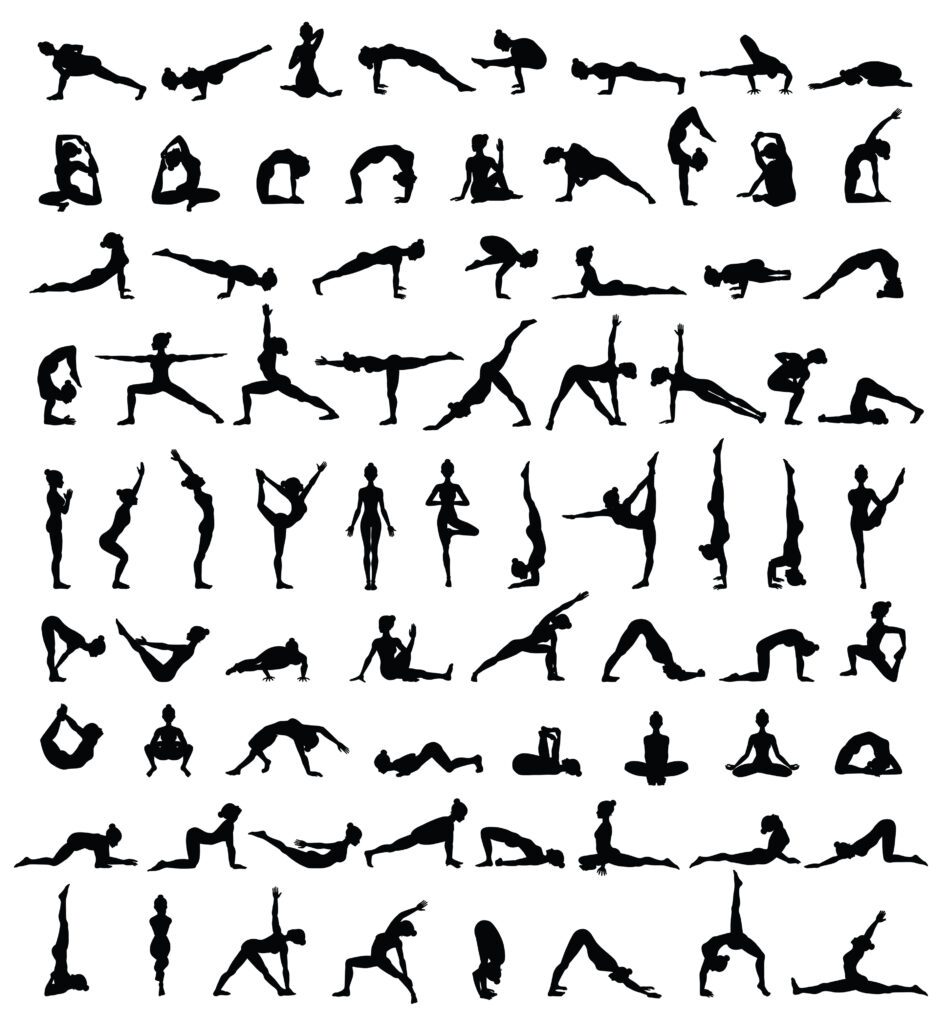
Problem Poses: When Yoga Causes Harm You always hear how yoga is so good for you – both physically and mentally. It can be calming, as well as a really good workout. However, not everyone is convinced that yoga is a healthy option. A recent New York Times article has yoga enthusiasts wondering if yoga […]

Women: Are You Sending Mixed Signals or is Your Guy Just Reading You Wrong? Oh goodness . . . just hearing some of the stories of friends who are “dating” these days, I wouldn’t wish that situation on my worst enemy. But who is really at fault here? Is it the guy? The girl? Or […]

7 Fun, Trendy Alternatives to Unhealthy New Year’s Eve Partying Getting sick of the same ol’ deal on New Year’s Eve? If you’re looking for some fun and trendy alternatives to the usual NYE partying then you’re in luck, because the ideas that we’ve got for you will not only guarantee a great time, but […]
Why the FDA Pulled the HCG Diet from Store Shelves Have you tried the HCG diet yet? If so, how successful were you at losing weight, and keeping it off? If you haven’t yet tried this controversial diet, you may not have another chance. According to the United States Food and Drug Administration, together with […]

Since we all know of someone who seems to always be under a lot of stress, considering a few stress-busting gift ideas for that person only makes sense. We have come up with a list of the six best holiday stocking stuffers for the most stressed person in your life so that you can give […]
The Hypnosis Controversy: What Science Has to Say Hypnosis . . . (not to be confused with the food coma you may experience on Thanksgiving). Just reading the word aloud to a group divides them into those who believe it exists, and those who insist the concept is a bunch of hooey. Whether or not […]

In a world where children already seem to be growing up too fast, news stories about mothers who push their little girl’s to grow up even faster can’t help but make you shake your head and wonder: “Just what exactly is being taught to the children who will be our future?” This is certainly the […]

If you know anyone in the military, whether they have gone overseas into combat or not, you may have noticed that they have undergone certain changes in their personality. If you have had a child, husband, wife, or other close relative or friend go off to serve our country, you may have witnessed upon return […]
Safer Spaghetti-Os: Campbells Removes BPA from Cans Back in September 2011, the Campbell’s Soup brand was attracting a quite a bit of unwanted attention. A recent study claimed the company’s soup had some of the highest BPA levels out of the canned foods they tested. At the time, Campbell’s was confident that their products were […]

Once upon a time… As a child of the 80s, I inevitably grew up with a stockpile of Disney VHS’s by which I lived and died. A dramatic assertion, I know; but at a time when the world is a black hole of unknowns, they provided the comfort and consistency that every child yearns for: […]

Point Counterpoint: An Argument with Myself about the Downs Syndrome Lawsuit, If you haven’t heard yet, a couple in Portland, Oregon is suing their local hospital because the doctors identified their yet-to-be-born child as a fully healthy baby girl. While this might seem like good news, it also turned out to be wrong; and the […]

Being a mom of an autistic daughter, I wanted to shed some light on the cost of raising an autistic child as it something that is very close and very important to me. It’s a serious issue, and I want to bring awareness to those who don’t realize how autism truly affects the family on […]

Anyone who has ever suffered through a sinus infection knows just how painful and miserable they can be. Symptoms like face pain and post nasal drip (YUCK!) make it hard to sleep, let alone work or perform daily duties. Not only that, but you may have noticed how long these nasty infections linger and how […]
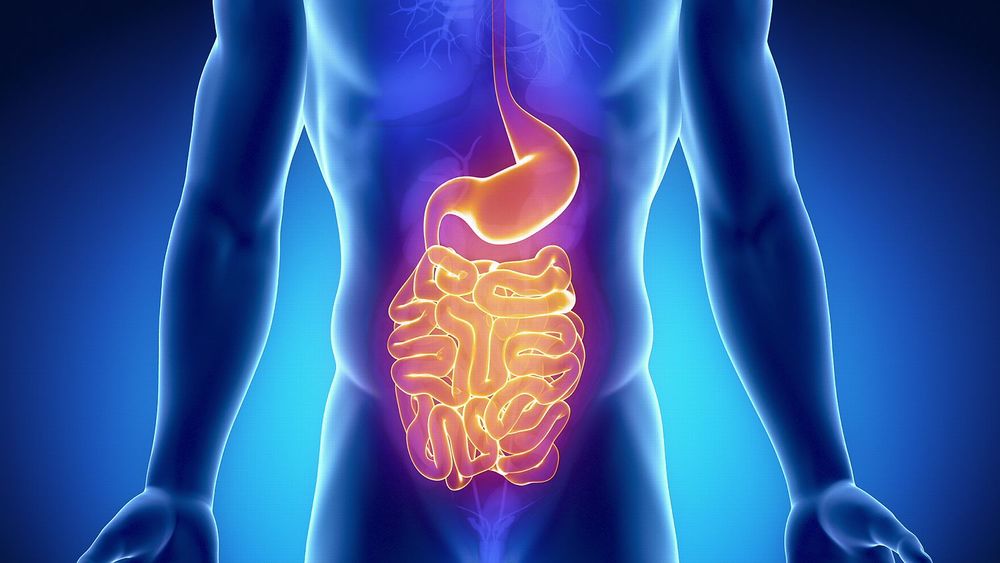
The Power of Poop: Human Stool as a Cure for Gastrointestinal Disease In response to an influx in bowel and gastrointestinal disease, some doctors are suggesting organ transplants. Sound drastic? Well I should specify that this “transplant” is actually an enema and the “organ” is actually human feces. This process of Fecal Transplantation, however off-putting, […]
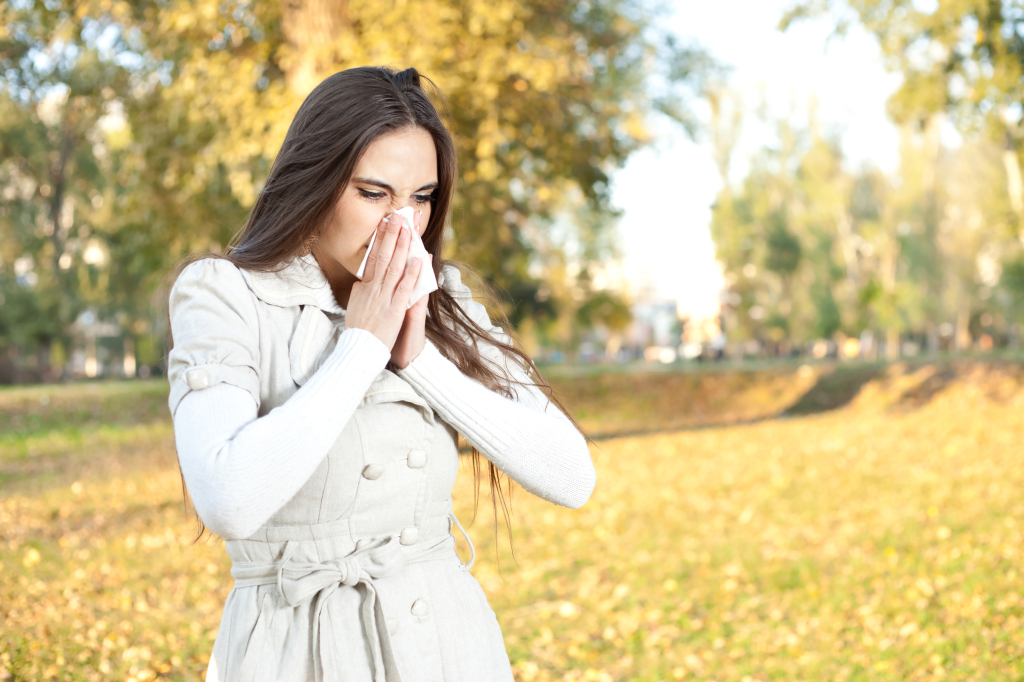
For the majority of us, popping a couple aspirin is our go-to solution for a headache, body ache or fever. In fact, statistics reveal that the world’s population downs about 100 billion tablets every year. But for those of us with sensitivity to aspirin, this quick-fix is just a quick way to magnify your pain. […]
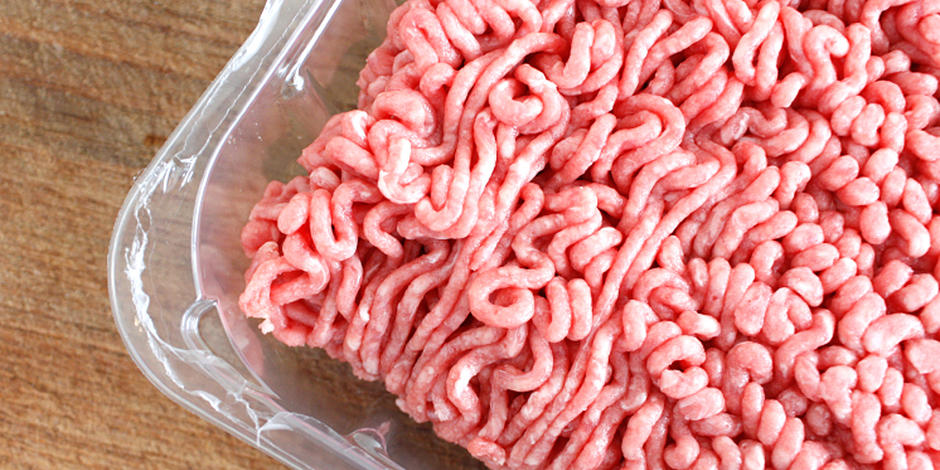
I don’t know about you, but I personally wouldn’t touch anything affectionately called “pink slime.” If you’ve seen any of the news stories lately, or have been subject to the round of photos on Facebook and Twitter that reference this nasty stuff, then the term immediately conjures up images of heavily processed mutant chickens becoming […]

It starts off sounding like a joke: “Did you ever hear the one about the lady that wanted to look like Barbie so much that she . . . (insert punch line here).” Except it’s not a joke. A 51 year old England resident, Sarah Burge calls herself a “Human Barbie” and has spent nearly […]

There is a time and place to discuss politics and religion, the topics of which can be awkward and uncomfortable. Lately, it seems, the subject of female contraception cannot be discussed without encompassing both. The Contraception Debate It is a sensitive topic with a litany of deep-rooted religious and political beliefs attached. Consequently, contraception and […]

The House of Representatives is always a hub for debate, but few are as controversial as the current discussion over contraception coverage. Broaching the sensitive subjects of religion and gender rights, this conversation has all ingredients that make up a heated sociopolitical battle. The issue in question is a national campaign that would allow companies […]
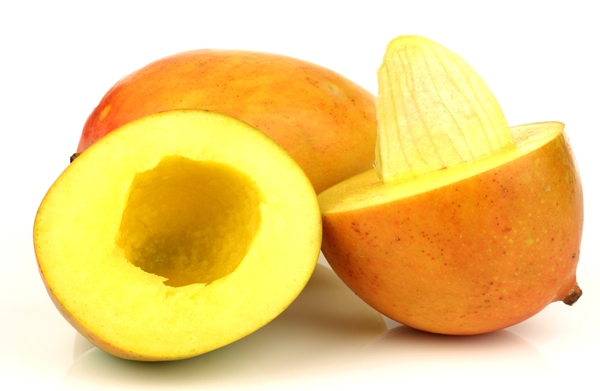
If you’re a fan of the Dr. Oz show, or Dr. Oz in general, than you may think he’s a fairly “straight-shooter” when it comes to advising you on your health and wellness. So, it’s no surprise that he caused quite the stir when he told his millions of viewers that mango seed extract could […]
Lipstick. Perhaps one of women’s favorite cosmetics. The perfect accessory. Without it, many women feel naked. It has become a symbol of adult sexuality and maturity, often the first cosmetic that teenagers are allowed to apply. It makes women feel sexy, confident and desirable. But at what cost? Painting your lips red may actually mean […]

Many new mothers experience the “post-baby blues.” And when you think about it, it’s hard to imagine why they wouldn’t. Crying babies, middle-of-the-night feedings, a post-baby body that’s not quite “sexy,” . . . and the list goes on and on. Now, we know that the “blues” can be much more than that. Postpartum depression, […]
Digestive problems are among the most common health issues we collectively experience. If you have never suffered from some sort of digestive disorder, you’re extremely lucky . . . but you also likely know someone that has! Whether it’s an occasional bout of diarrhea, or something more chronic such as Crohn’s disease, we’ve got the […]

“Storms make oaks take root.” It is inevitable. At some point we have all faced, or will face, a life-altering event . . . whether it be the death of a loved one, a serious illness or some experience that reminds us of what really matters in life. In the blink of an eye, everything […]

If you thought that peanut allergy was giving you trouble, you’ve certainly never heard of poor Mr. A and his Post Orgasmic Illness Syndrome. POIS, as first identified by a group of Dutch doctors in 2002, is exactly what it sounds like . . . a sickness you get from your own ejaculation. For 50-year-old […]

As May 13-19 is National Alcohol and Other Drug-Related Birth Defects Awareness Week, it only seems fitting that we do our part to help raise awareness by sharing with you the many dangers of alcohol and drug abuse on unborn children . . . and the many lasting effects those children suffer upon coming into […]

Summertime means lots of gorgeous sunshine, outdoor fun, family picnics, and . . . mosquitoes. But, what a treat nature has given us with plants that keep those mosquitoes away! Ageratum Often found in rock gardens, ageratum (floss flowers) is a low-growing ornamental plant which has easily recognizable blue flowers. Ageratum secretes coumarin which is […]
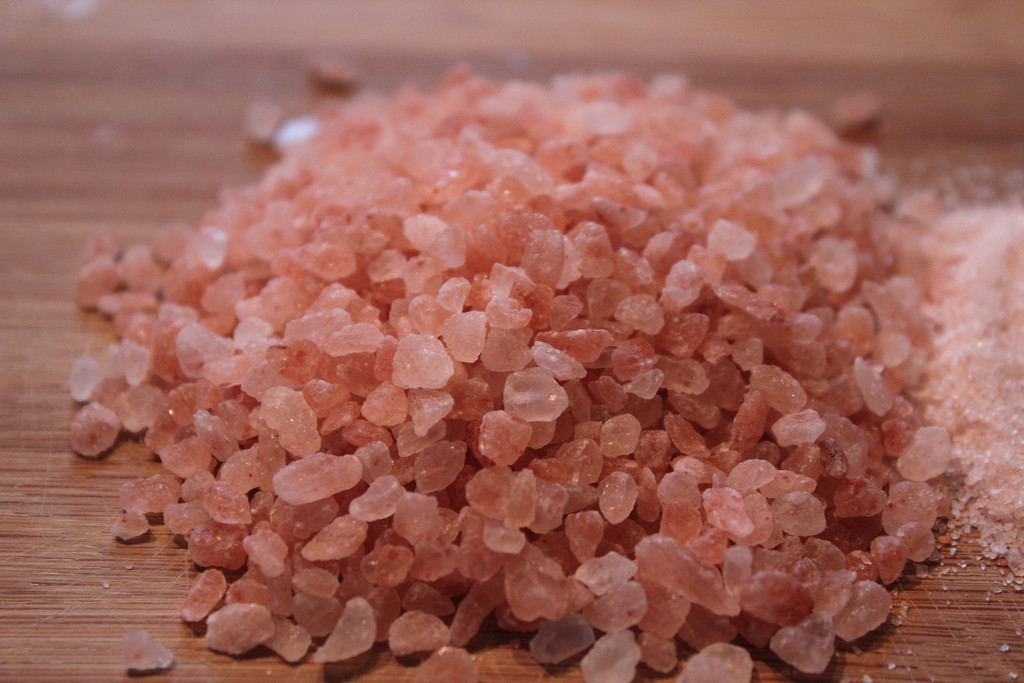
There is no denying that salt is important to our health and well-being. We cannot live without it. Every cell in our body depends on it. With so many varieties of salt available, and so many of us unaware of the differences between common table salt, sea salt and natural salt . . . how […]

Eight hours a day keeps the doctor away . . . in an ideal world. We know medical research tells us to get more sleep, but for a society on a perma-drip of caffeine and chaos, it’s easier preached than practiced. In fact, over a third of U.S. adults are considered sleep deprived, over 60 […]
Donating your organs and tissue is a great way to make a big impact on someone’s life. In fact, one donor can help save or improve the lives of over 50 people. Whether or not you are undecided about becoming an organ donor, there are a few things you should know before going to get […]

I’m a man. That much can be determined simply by my birth-doctor’s admissions and the fact that my family thought it was weird that I didn’t have a girlfriend until college (I was a late bloomer). So when I was asked to write about 50 Shades of Grey, I thought, “What will I write?” “Who […]
We’ve all seen those horror or science fiction films that depict a seedy underworld where organs are illegally harvested, then bought and sold on the black market. The stories are almost always full of corrupt, evil doctors taking advantage of poor people by stealing their organs or buying them at a low price, and then […]
Allergy season is in full swing this year, and with a vengeance. With pollen levels reaching new highs, your allergies may have felt worse compared to recent years. If that’s the case, make sure you hit the gym a few extra times because guess what? Aside from all the other factors you have to consider […]
Are you struggling to get in the mood for a little bedroom rendezvous with your mate? Is your sexual enthusiasm lacking? Are you ready to enjoy that physical intimacy again? We all have peaks and valleys in our lives where sexuality is concerned. If you’re having difficult time getting out of the sexual rut, sometimes […]

We’ve talked about prisons who give their inmates meals consisting almost entirely of soy solely for the purpose of saving money, despite the overwhelming evidence showing that excessive soy intake is dangerous for the human body. What if the opposite took place and prisons developed an extraordinary vegan diet for their inmates in hopes of […]
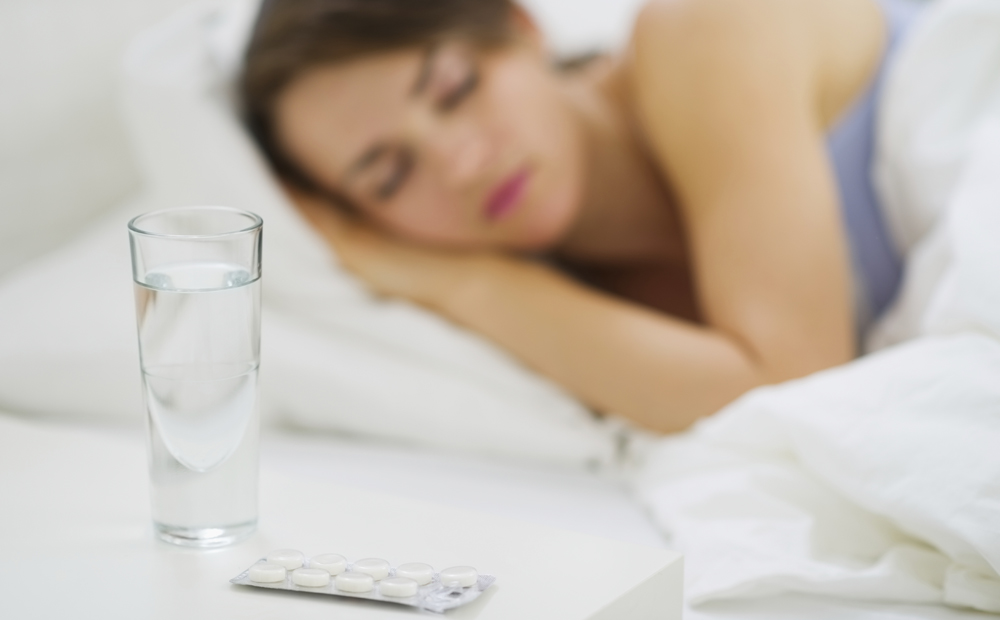
You can’t help but laugh when it’s time for prescription drug commercials to list some of the side effects and symptoms. They always set the tone with serene, beautiful music while showing families laughing, playing and relaxing in gorgeous landscapes . . . all while a soothing voice begins to list off completely horrible symptoms […]

Moving your loved ones into a nursing home can be difficult at first, and so many questions can come up. Will they provide great care? How much will it cost? Which home do I choose? Do any of them seem to have happier residents – and more importantly, maybe, residents that live longer? Another question, […]

It’s summer! Most people take time during this season to participate in fun activities such as days at the beach, backyard BBQs, and outdoor concerts. But not everyone has that same experience. In fact, you may find yourself sleeping way too much, having no energy, and feeling down. So, what’s the deal? Well, you may […]

With Independence Day right around the corner, you might be thinking picnics, parades, and fireworks shows. There’s one of those three that stands out when it comes to the danger factor, and it’s not either of the two that start with the letter “P.” Fireworks can be a lot of fun to watch, but try […]

Over-worked? Stressed? Anxiety-ridden? Despite what you may think, or feel right in this moment of distress, it doesn’t have to be this way. Take a deep breath and try these helpful tips for mental clarity. Sage Away Sage is used in many different ways. When dried sage bundles are tied together and lit, a purifying […]

It’s always great when science and learning can be combined with imagination and enjoyment. But for one such experiment-turned-toy, the hazards can be fatal. These shiny magnetic balls, that have been steadily rising in popularity, can be fashioned into endless shapes and patterns . . . providing your children with hours of fun. And all […]
To many, sweating might be a total (or at least partial) mystery. You might have heard that sweating is your body’s way of cooling off . . . but then why does it feel like the more you sweat, the hotter you get? In general, sweat is a sticky subject because there are so many […]

Sometimes it’s in the form of an unexplainable gut feeling or a nagging voice within. Other times it’s an inspirational insight or spontaneous thought about someone or something that crops up completely out of nowhere. This is known as extrasensory perception (ESP). It is your intuition, or a sixth sense so to speak. Whatever you […]
Imagine this: you’ve been blessed with a beautiful new baby. You obviously love and cherish the new addition to your family sphere. Perhaps you feel you’ve been blessed with the one thing that will bring you joy and happiness for the rest of your life. And then, in an instant, it’s all gone. Sudden Infant […]

Everyone is so worried about injuries these days it’s a wonder we still play sports at all. After 25 years spent working in the field of sports medicine teaching people how to play their best and avoid injuries, people are still getting hurt, doctors are still giving out prescription drugs like candy and RICE is still used by “forward thinking therapist” to treat injuries.

Everyone knows a few old wives’ tales about pregnancy. Having a pet cat could kill you; indulging in certain cravings will create a happier baby; a full moon may induce labor, etc. Many of these myths have something to do with the almost-certain crazy food cravings you’ll have, which in turn will make you force […]
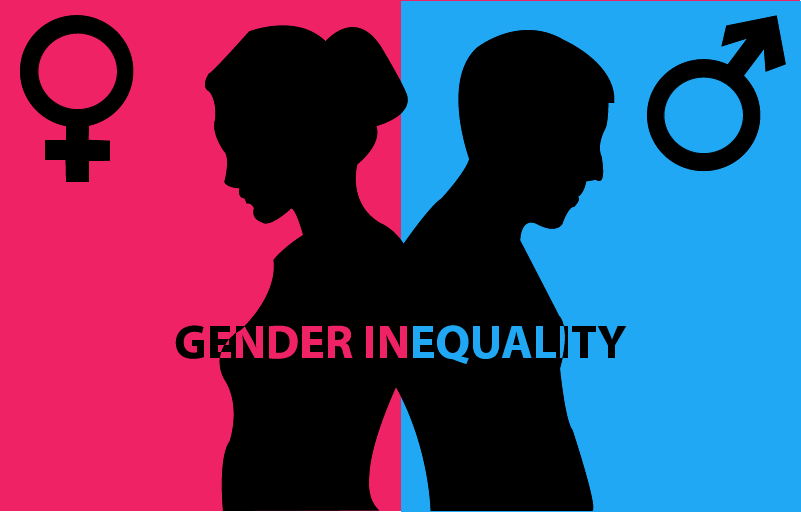
fem•i•nist [fem-uh-nist] noun 1. an advocate of social, political, legal, and economic rights for women equal to those of men. I don’t call myself a feminist, frankly because I find the term to be rather tautologous. As a young female professional, saying I am pro-women’s rights is like a botanist saying they are pro-plants… well, […]

Ever wonder why it’s so hard to find organic versions of some of your favorite foods? It’s because we’re still not growing enough organics in America. As demand for organic food soars, major retailers like Costco are unable to keep up. That’s because less than 1 percent of American farmland is dedicated to growing organic crops. […]
Do you want to know how THIS special interest group negatively affects the health of all US citizens? JUST HOURS after EWG ( a non profit corporation- https://www.ewg.org/) released its 2016 Shopper’s Guide to Pesticides in Produce™, the Alliance for Food and Farming, a chemical agribusiness front group, launched an all-out media blitz to try […]

You love bagels, you simply couldn’t live without them. What if you knew how sick they were making you? Would you still think that you couldn’t live without them? As more and more research surfaces, we uncover secrets about our modern food system. Over the past century, we have seen a significant shift in the […]
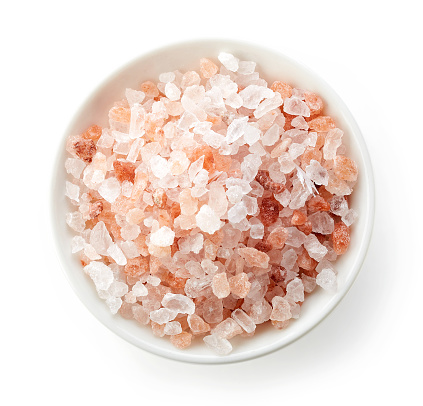
When I showed my mom pink Himalayan salt, she immediately thought that it had been dyed. “How can that be healthier for you if it’s been colored,” she said. As you walk through the grocery aisles, you’ll often notice an array of low-salt or reduced salt options. There is a clear demand for healthier options, […]

If you live in America, you’re no stranger to the economic stress of the present time. And with more and more evidence that stress can lead to any number of ailments, including heart disease, cancer, depression and anxiety, it’s critical to learn to address it properly. Before you turn to options such as prescription drugs […]

Brewer’s Yeast Brewer’s yeast is a wonder food. It is rich in traces of mineral chromium. This mineral helps the pancreas produce more insulin. It is one of the best supports for normal handling of sugar by the body. According to an article by Dr. Richard J. Doisy and others, which appeared in the Medical […]

Gestational diabetes is a temporary condition that occurs during pregnancy. It is one of the top health complications that a woman has to face during pregnancy. Indeed a double curse! If the woman had gestational diabetes during pregnancy then she is most likely to pass it on to the child. So, if a woman has […]
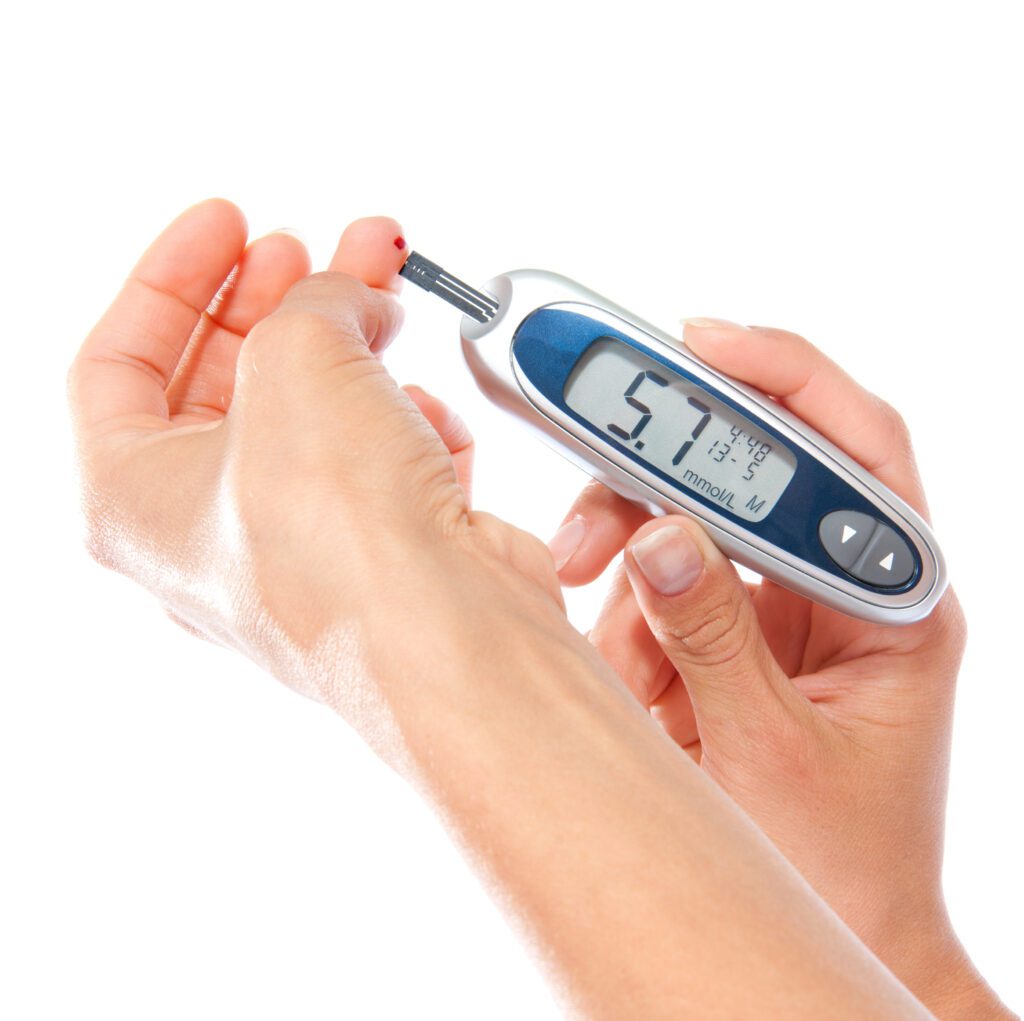
According to a new study, diabetes and Alzheimer’s diseases are more related than everybody thought. Some researchers believe that Alzheimer’s could be a form of diabetes, because findings show that insulin production in the brain declines as Alzheimer’s disease advances. Through a series of experiments, a group of researchers discovered that the brain produces insulin […]
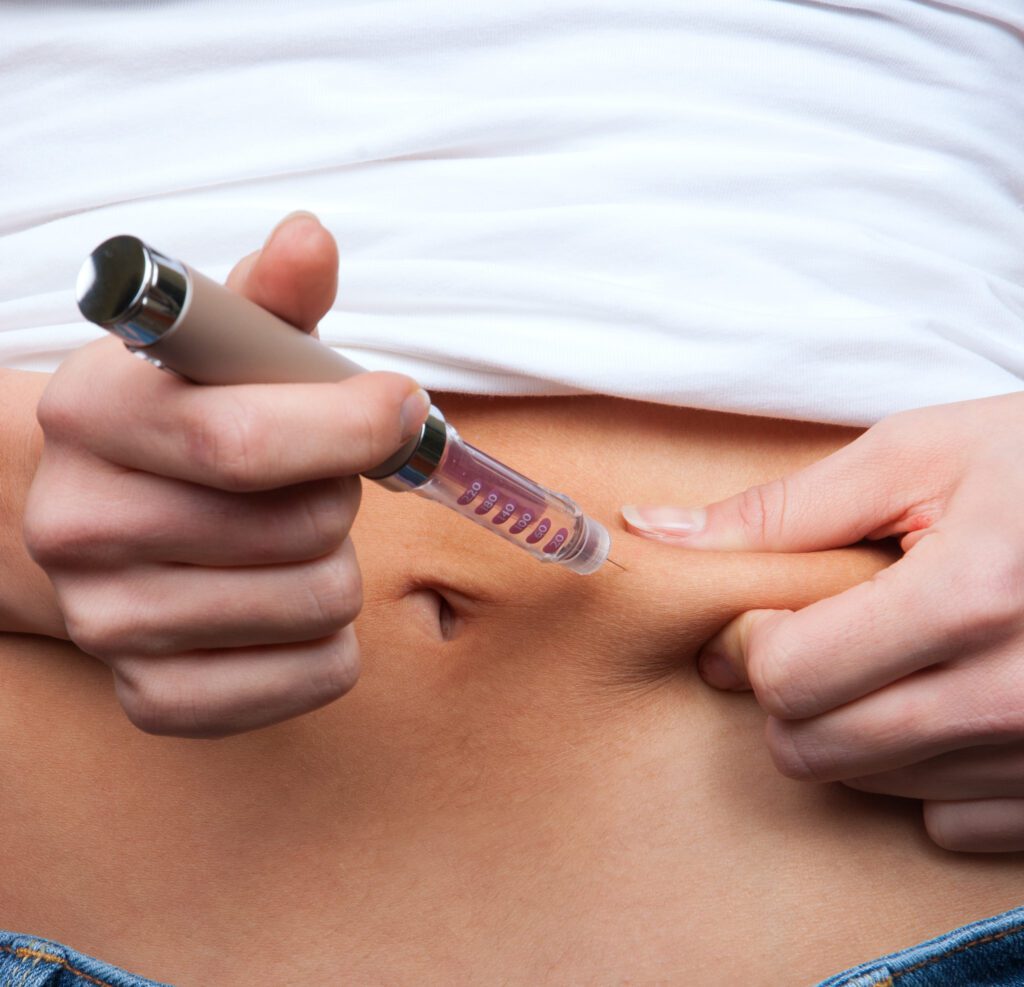
Certain factors that contribute to the development of diabetes are Heredity Heredity is a major factor. That diabetes can be inherited has been known for centuries. However, the pattern of inheritance is not fully understood. Statistic indicates that those with a family history of the disease have a higher risk of developing diabetes than those […]
White Flour Wheat is the most common cereal used throughout the world for making bread. It is a good source of energy. With its essential coating of bran, vitamins and minerals, it is an excellent health-building food. Wheat is usually ground into flour for use as food. However refined wheat flour constitutes a serious health […]
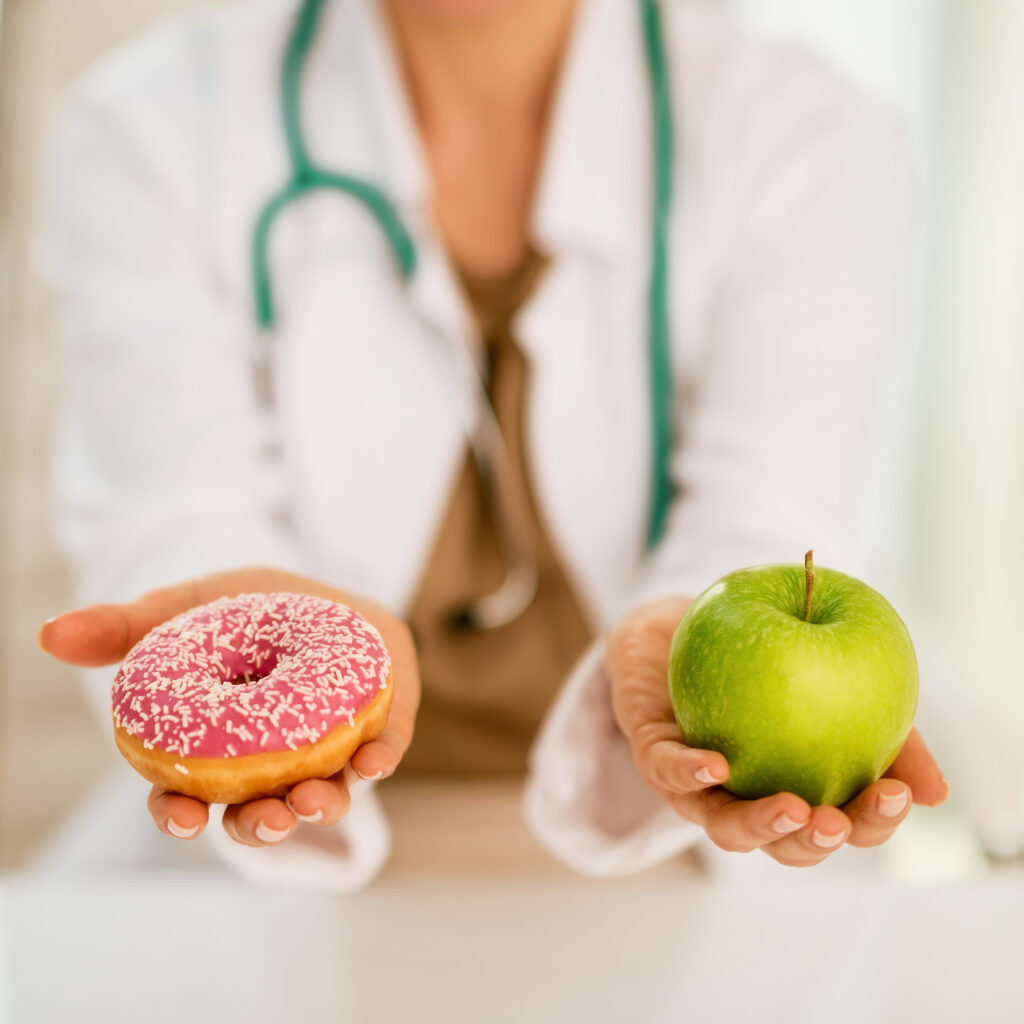
There is a strong connection between carbohydrates, high blood sugars and diabetes. Carbohydrates give your body the energy, or fuel, it needs to function properly. There are two types of carbohydrates; simple and complex. Simple carbohydrates are in foods such as fruit sugar, corn or grape sugar and table sugar. They are single-sugar molecules. Complex […]
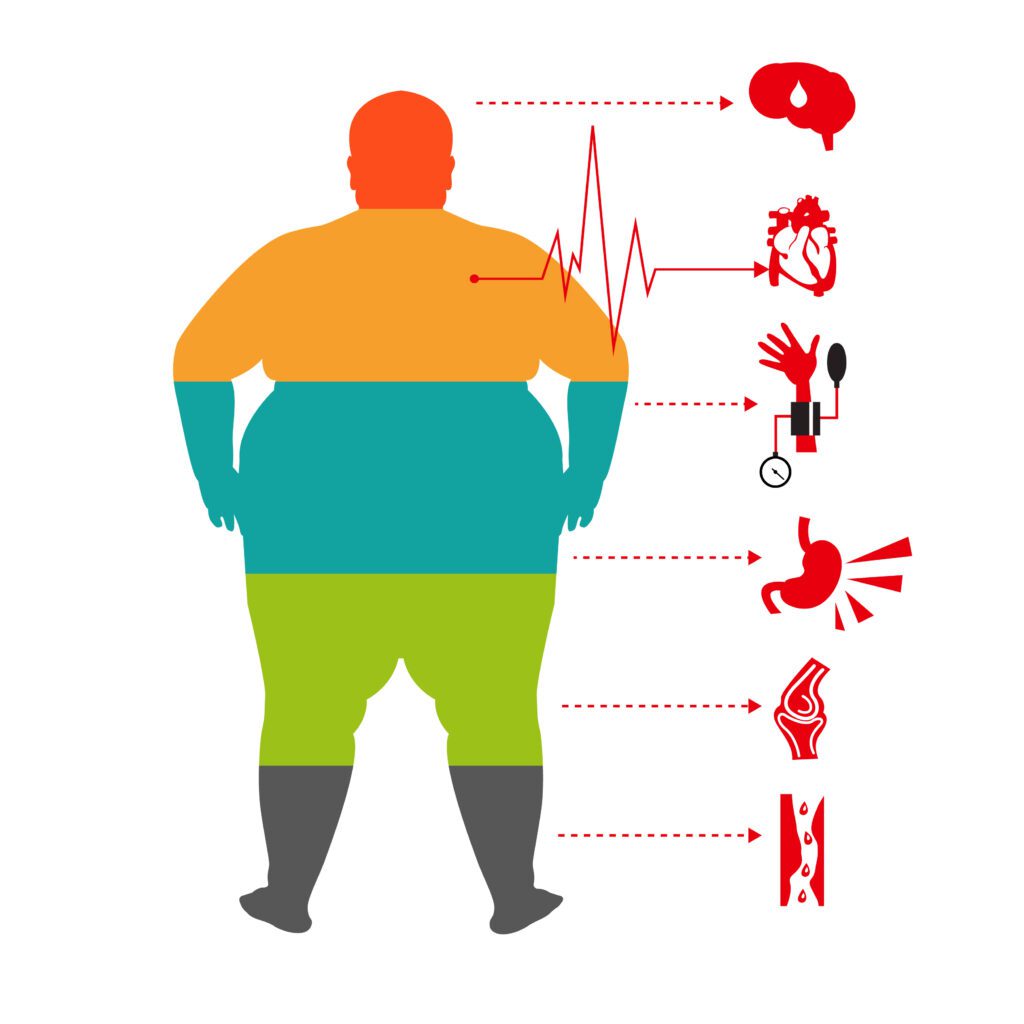
Ice cream or yogurt? Regular or diet soda? These may not be critical decisions at your dinner table – unless you’re one of nearly 18 million Americans living with diabetes today. People with diabetes face daily challenges. To remain healthy, they must monitor their blood sugar levels, eat a balanced diet and exercise regularly. Some people […]
People often think high blood sugar is something only diabetics or pre-diabetics have to worry about. But the truth is high blood sugar is something that everyone should be concerned about. Why? Because it can affect your overall health – even the rate at which you age. In fact, a recent study done by the […]
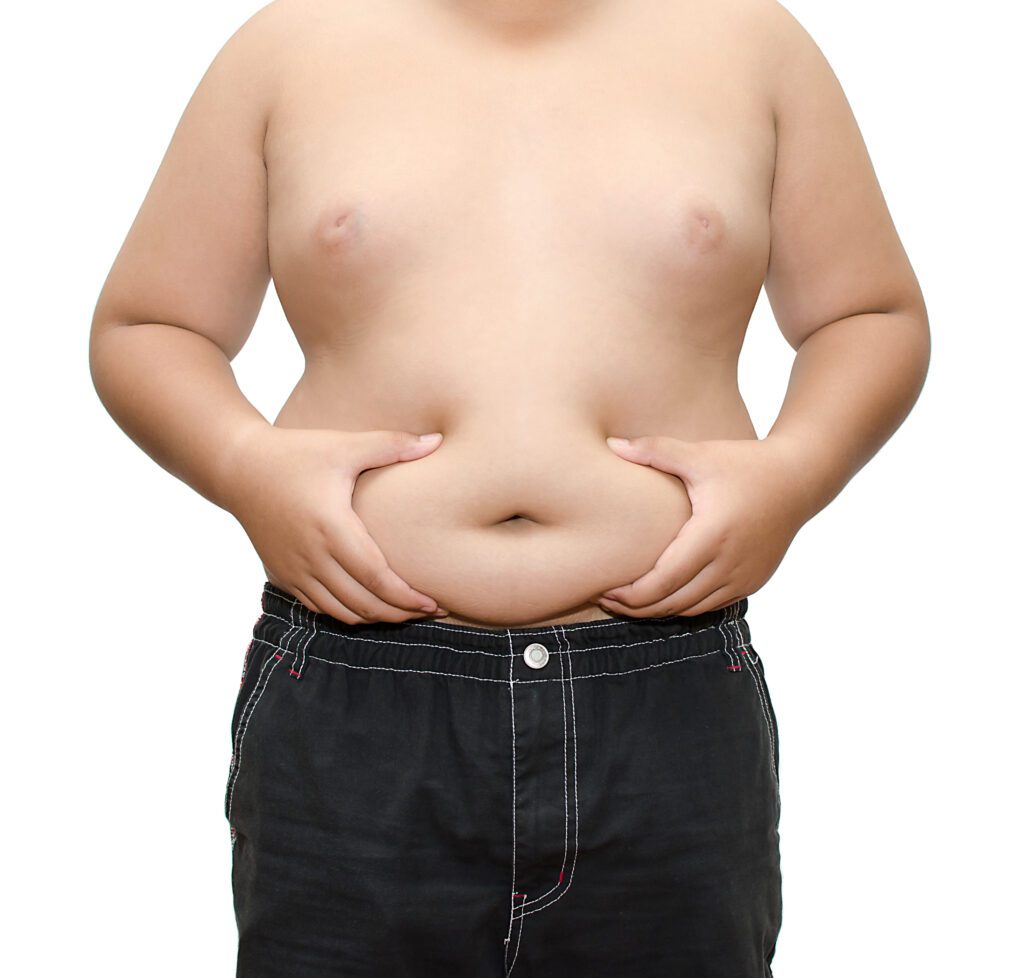
There is no known reason for what causes diabetes. There are certainly risk factors that make the likelihood of you being diagnosed with the disease higher. One of the only risk factors that you have control over is your weight. If you are obese, the single best thing you can do for your health and […]
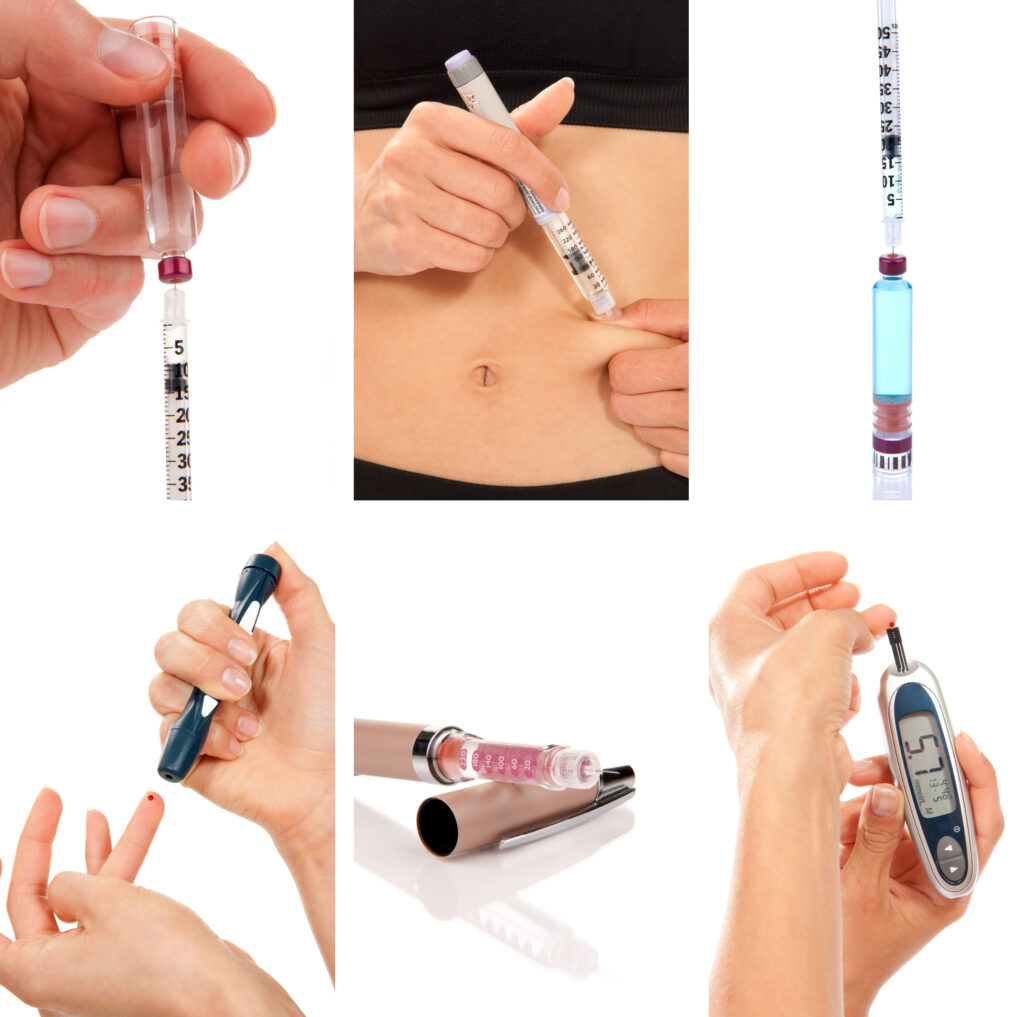
While talking about diabetes, you may be frightened from the idea that you may have it. Or maybe, you may have it in the future. You want to know if you are at risk to develop diabetes and anxiously you’re looking to find if you have any diabetes symptom. Diabetes affects the manner in which […]

Diabetes is a chronic disease with no cure but the good news is that proper care and treatment a person can live a log and healthy life. Nearly 2,000 people are diagnosed with diabetes everyday. It is estimated that there are 17 million people with diabetes in the U.S and another 16 million have pre-diabetes […]
Reference Webster’s New World College Dictionary: What Is Food: 1. Any substance taken into and assimilated by a plant or animal to keep it alive and enable it to grow and repair tissue; nourishment; nutriment. 2. Anything that nourishes or stimulates; whatever helps something to keep active, grow, etc. But does it enable to grow […]
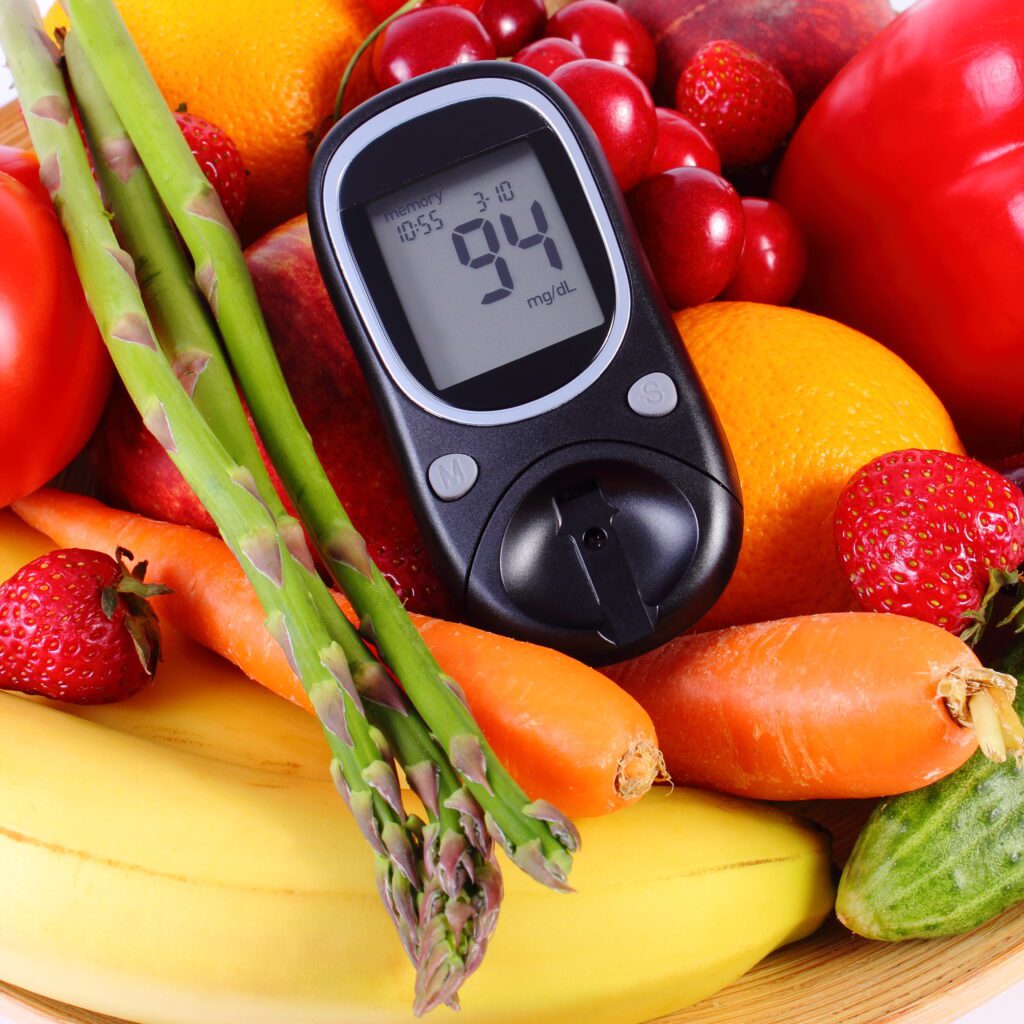
The excessive use of fats has been linked to development of diabetes. A recent study at the University of Colorado Health Science Center, USA found that intake of an extra 40g of fat day increases the chances of developing diabetes by three times. Fat rich diet, especially one saturated with animal fat, seems to damage […]

Diabetes is more prevalent than ever and 95% of cases diagnosed are type 2 diabetes. Although for some the development of diabetes is inevitable, perhaps due to hereditary and other factors, for the vast majority it can be prevented by taking these 7 simple steps… Before diabetes type 2 becomes fully developed you go through a stage known […]
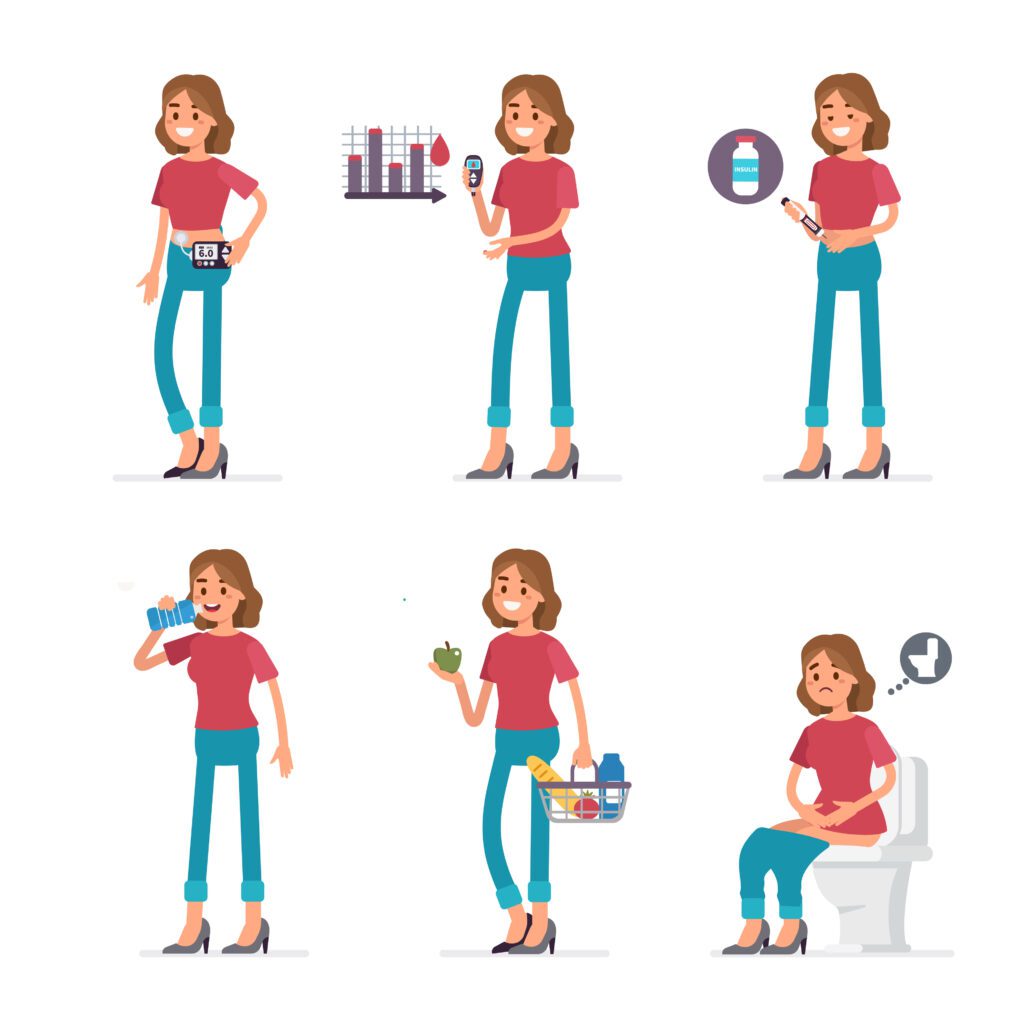
Since my diagnosis with diabetes at the age of eleven, my own diet has changed dramatically. I maintain my current healthy weight with a great diet/eating plan. If you do plan on losing more than about a stone in weight, then I would visit your doctor for more tips on how to do this without […]

It’s called Syndrome X. It may sound like the name of a science fiction movie, but it’s actually a metabolic malfunction that starts with excessive weight gain and energy slumps, then escalates to life-threatening problems like heart disease and full-blown diabetes. In fact, Syndrome X is the real cause behind the obesity problem that is so part […]
Fight Stubborn Fat Ease Digestion Worries Clean Arteries and Colon Fight Accelerated Aging Copyright to 2015-2016 InsidersHealth.com. All Rights Reserved. Disclaimer: Information on this site is provided for informational purposes only. It is not meant as a substitute for medical advice provided by your physician or other medical professional. You should not use the information contained […]
Atkins is a household name in weight loss. Popularized by Dr. Robert Atkins, it got its start in a medical publication called the Journal of the American Medical Association. Atkins took some of the ideas from the journal diet and worked on the plan to fit his own weight-loss goals. The popularity of the Atkins […]
Maybe one of your new year’s resolutions was to lose a little weight. And maybe it’s not the first year you’ve had that as a new year’s resolution. Well, How is it going? Losing weight on your own can be confusing, difficult, and down-right impossible at times. Luckily, there are a number of weight loss […]

Facts on Fasting You Must Know Have you been feeling a bit run-down lately, or just a bit out of sorts? Maybe you haven’t been eating as healthfully as you should, or you’ve put on a few pounds and feel a little sluggish. Perhaps long days at the office or taking care of your family […]

“Live in the Sunshine, Swim the Sea, Drink the Wild Air…” -Ralph Waldo Emerson Ever notice you’re more alert, calm, relaxed, and in better spirits after a day at the beach? The invigorating fresh air, the soothing sound of the ocean waves, and the warm sun are some of the reasons we love to spend […]
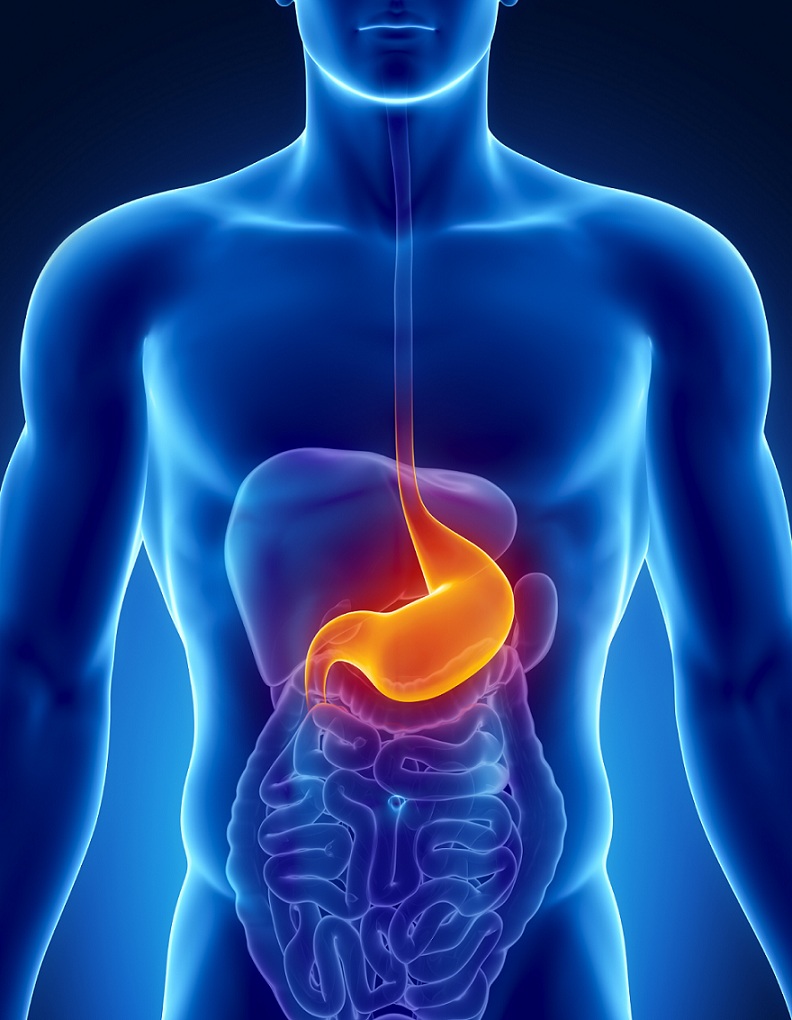
Many patients suffering from gastroesophageal reflux disease (GERD), better known as acid reflux, try many different treatments and medications before finding one that even comes close to addressing symptoms. And some folks who suffer never truly find relief . . . ever. What they may not realize, however, is that by completely eliminating one simple […]

Olympic athletes often endure rigorous training for much of their lives in a bid for a spot on the podium. We view these individuals as the epitome of health and the height of physical performance, pushing the boundaries well past what we thought was humanly possible. What we don’t see, however, is that behind the […]

Eye-popping, jaw-dropping, heart-stopping, toe-flopping, AHHHH moments feel, oh so good. Ah, yes… “awe.” Technically defined as “an overwhelming feeling or reverence, wonder, admiration, produced by that which is grand, sublime, extremely powerful, or the like.” So . . . can being in a state of awe improve your health? Studying Awe A new study on […]

Dementia is a non-specific syndrome wherein the cognitive function of the brain is progressively compromised. Alzheimer’s is the most common cause of dementia observed, with the number of patients suffering from this condition ranging between 50% and 60%. Memory, problem solving, language and attention are the spheres of cognitive function that are affected by dementia at the time of onset. Later, one loses his orientation, track of time or even his bearings and fail to identify those around him.
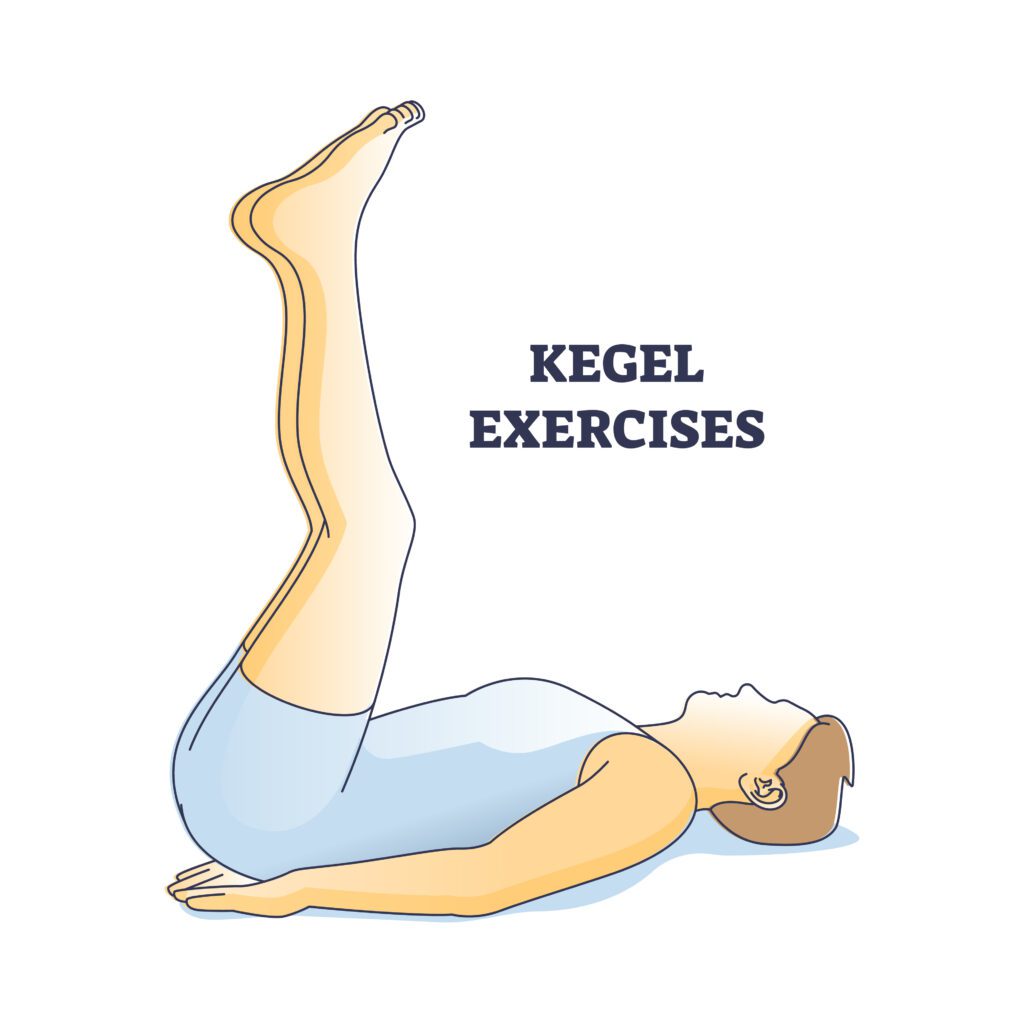
Similar to jelqing, kegel exercises are designed to strengthen your penis, reduce premature ejaculation and increase the size and intensity of your erections.
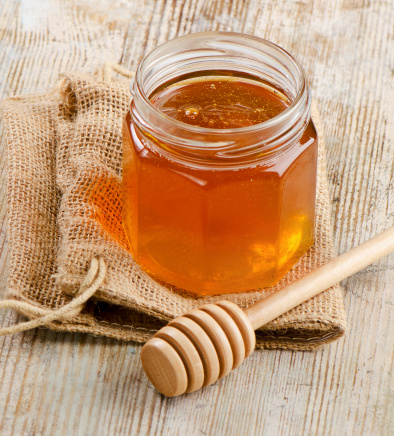
A newly studied chemical compound might be changing the way medical centers keep their hallways bacteria-free. With a low toxic impact and potent effectiveness, the revolutionary new guy on the block is turning heads and creating exciting possibilities. The Skinny on Akwaton Akwaton, the new compound studied by the University de Saint-Boniface in Winnipeg, Canada, […]
We all seem to get busier and busier every year! While being busy is not always associated with an increase in stress, it is often the outcome for the overwhelming majority.
How many times throughout your life have you heard “It must be your time of the month” – maybe from your boyfriend, husband, or even your best friend (yes, girls, we can even recognize this attitude in our fellow females)? Menstrual periods are never fun – it’s as simple as that. Cramps, bloating, pain and crankiness are just a few of the many symptoms you must deal with every month. But since you live with them for at least half of your life, you need to learn how to suffer through.
Our eyes are arguably one of the most important of the five senses. Most of us could probably get by without a sense of taste or even smell, but to not have sight would be a major obstacle in daily life.
What if I told you there is an ingredient in your food that is making you fat . . . slowly

It’s a small study about how eating a certain type of breakfast can help you burn more fat, but it could nonetheless have a huge impact on losing unwanted pounds or maintaining a healthy weight. British researchers have determined that high-fiber, low-glycemic foods are best for kick-starting your weight-loss program. Keep reading to find out how eating high-fiber in the morning burns more fat during exercise.
Just thinking about garlic can automatically bring about thoughts of Italian fare such as garlic pasta or bread, or your favorite Asian stir-fry. But what also might come to mind is the smell. With so many health benefits on garlic’s side, there must be a way to reap these benefits and avoid the odor or “garlic breath.” Keep reading to discover the many health benefits of garlic and why garlic supplements are just as effective as the real deal.

Take a journey to the Motherland for healing and weight loss! Nearly forgotten African rituals hold the key to Western obesity problem and countless other health issues that plague developed countries. Africa is a huge continent with so many cultures, tribes, and languages. It is not only the cradle of civilization, but it holds centuries of traditions, and ancient practices that are valuable today.
With St. Patrick’s Day just around the corner
Dementia. Alzheimer’s. Losing your mind. Call it what you like, but when it comes down to it, the risk of your memory and your mind dwindling away day by day is flat-out frightening. So what can you do? Take that risk down a notch by learning the seven things you can do right now to prevent developing this dreadful disease.
It’s an unusual (and fortunate) person who hasn’t had someone they know or love fall victim to cancer. The United Nations’ Cancer Research Agency tells us cancer will kill more than 13.2 million people a year by the year 2030. So if you are worried you will suffer or die with cancer, it’s a completely natural reaction. There IS cause for concern. That’s why now more than ever it’s so important to arm yourself with facts.
Cancer affects people of all walks of life. It does not discriminate against age, color or status. It’s likely that you know someone, whether an acquaintance or someone near and dear to your heart, who has been touched by cancer. Perhaps you yourself have even struggled with the disease. Fortunately, scientists are learning more and more about ways to prevent and fight the big “C” – even simple, everyday changes you can make in your life or your diet. Keep reading to discover 6 foods you should be adding to your anti-cancer regimen.
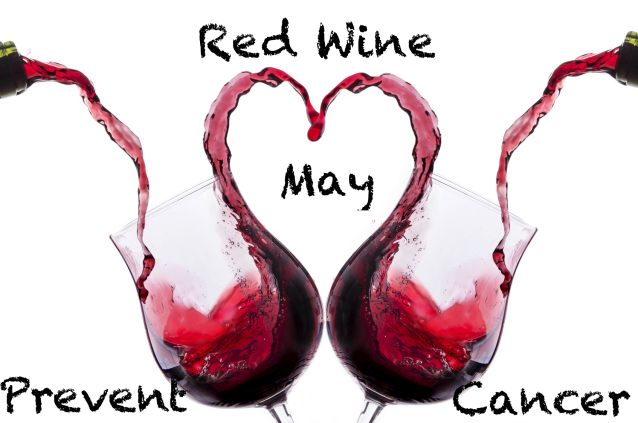
Do you love a glass of really good wine? In addition to its pleasing taste and relaxation factor, you may have heard that red wine (in moderation, of course) is even good for your heart health, among other things. Now there’s one more reason to have a glass of your favorite red during Thanksgiving dinner! Researchers have found that the antioxidant found in red wine can help destroy pancreatic cancer cells. Since November is Pancreatic Cancer Awareness month, let’s take a closer look at this recent discovery . . .

With the release of TIME Magazine’s new provocative cover– depicting a 3-year-old standing on a stool, suckling casually from his mother’s breast— the public debate over breastfeeding has been reignited. The argument over this particular editorial seems to have many facets, the most obvious of which being that the cover’s shock-and-awe approach puts the relatively […]
Spring is finally here, and along with the gorgeous weather comes pollen. Many allergy sufferers know all too well the symptoms of hay fever, caused by pollen released from budding trees and plants. The airborne pollen is easily inhaled through the nose and mouth, and for sensitive people, it can cause a series of miserable symptoms.

This article gives you all the health benefits you can gain from regular use of a mini trampolene or rebounder. International research has found that bouncing on a mini trampoline has far reaching benefits for all ages, making you fit, toning your body and assisting with weight loss. It is one of the most effective […]

Not having the right information before “getting intimate” can lead to a heck of a surprise. Below we take a look at 10 facts about contraception and sexual health that you may not have known. We’ll start with a few for the guys, as information about male contraception is not as widely spread. A Vasectomy […]

Vitamin D. Or, the “sunshine” vitamin as it’s sometimes called. If you don’t know just how important it is for your health, well, you really should. Vitamin D is essential for nearly every single working part of your body – from your heart, to your other organs (including your skin). And now it looks like […]

An astonishing, tested combination of superfoods can turn back the hands of time for your body. Maybe you know what it’s like, that no matter how much sleep you get, it never seems to be deep enough or refreshing enough. And every day you look in the mirror, you seem to find another grey hair […]
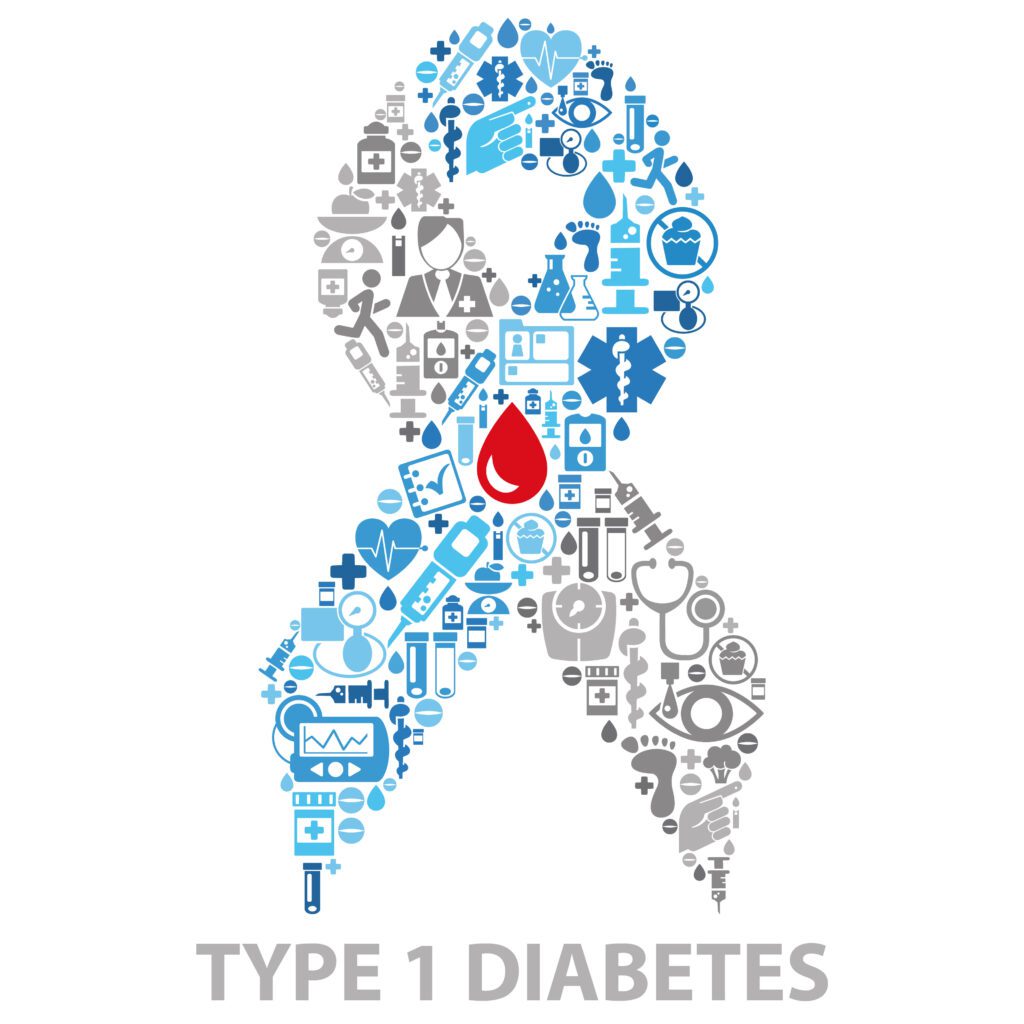
The benefits of breastfeeding are well documented. Breast milk is the healthiest and safest food for babies and it’s easy to digest. Breastfeeding and breast milk contribute to every part of baby’s development including physical, emotional, and perhaps even intellectual. Babies who are breast-fed have fewer infections such as colds, ear infections and diarrhea. Breast […]

The endocrine system is comprised of several glands that secrete unique hormones into your body. So, what would happen if something were to disrupt it? According to several alarming new studies, that’s exactly what’s going on right now. Researchers are warning against too much exposure to endocrine disruptors, which can have adverse effects on your […]
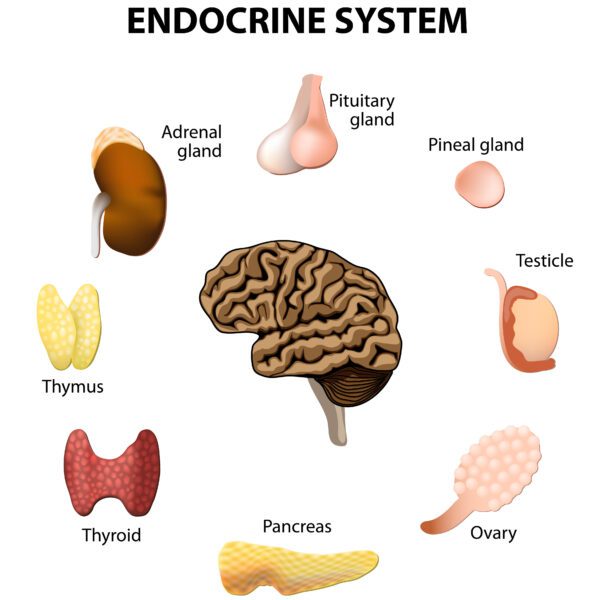
The endocrine system is comprised of several glands that secrete unique hormones into your body. Endocrine disruptors are chemicals that can interfere with endocrine (or hormonal) systems. These disruptions can cause cancerous tumors, birth defects, and other developmental disorders. So, what would happen if something were to disrupt it? According to several alarming new studies, […]
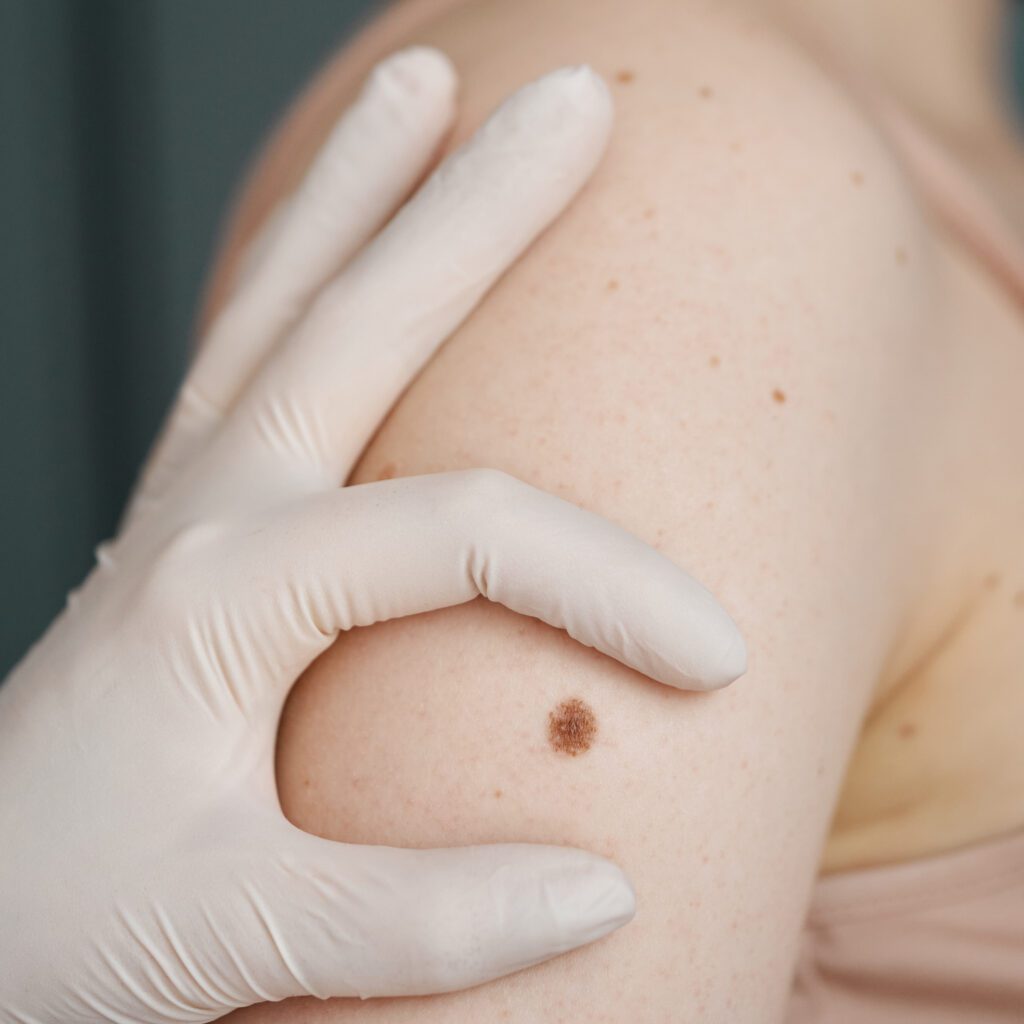
By now, most of us know the following facts about skin cancer: melanoma is the most dangerous type of skin cancer; it’s typically caused by overexposure to the sun or a tanning booth’s UV rays; and it typically starts out in a physical aspect by looking like an irregularly-shaped mole. But what about the things […]
According to the CDC, women are 33% more likely than men to visit a doctor. When you consider that men die at higher rates than women from cancer, heart disease, COPD, stroke, accidents, diabetes, suicide, kidney disease, liver disease, pneumonia, and influenza you would think they would take even the seemingly small stuff much more […]
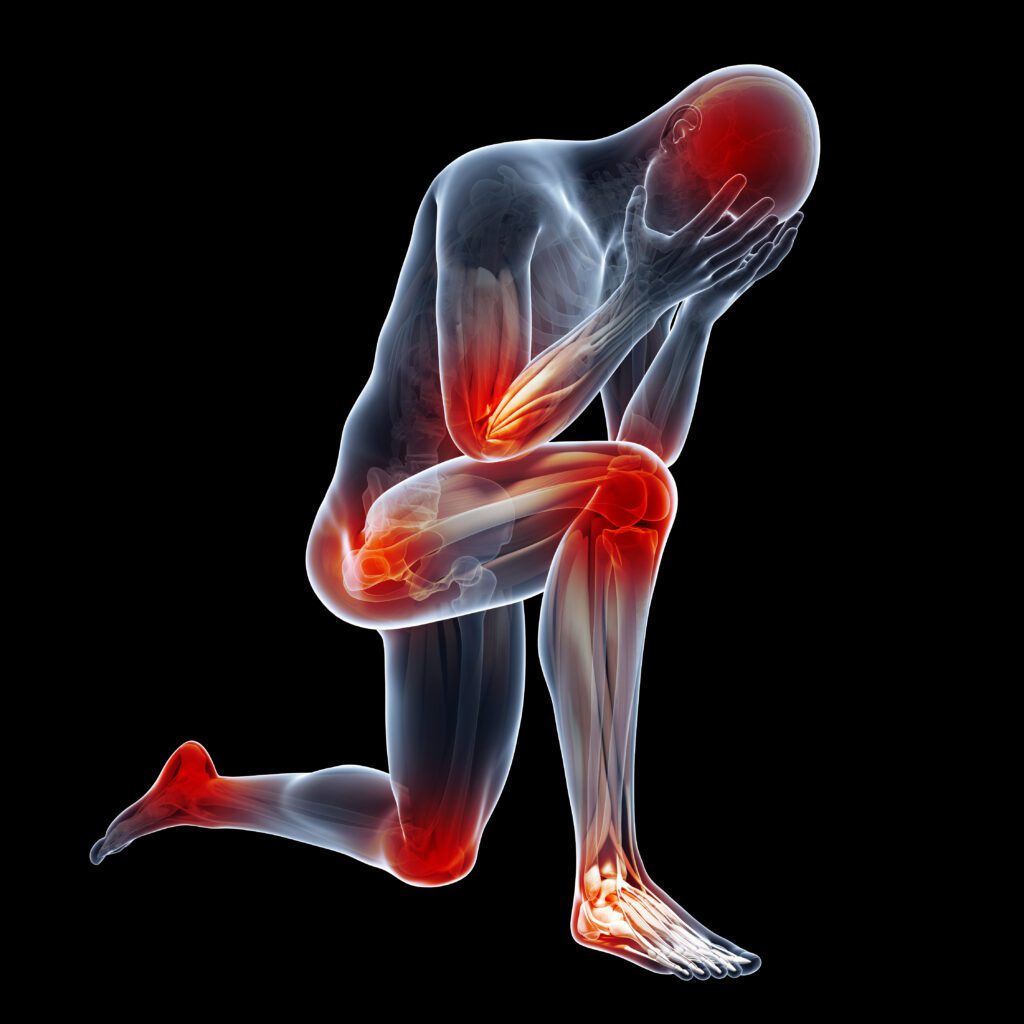
Do you experience pain in your knees that worsens during exercise or long walks? Are you finding it more and more difficult to write with a pen or type on a computer without cramping in your fingers? Is your tennis or golf game off because of nagging discomfort in your wrists?
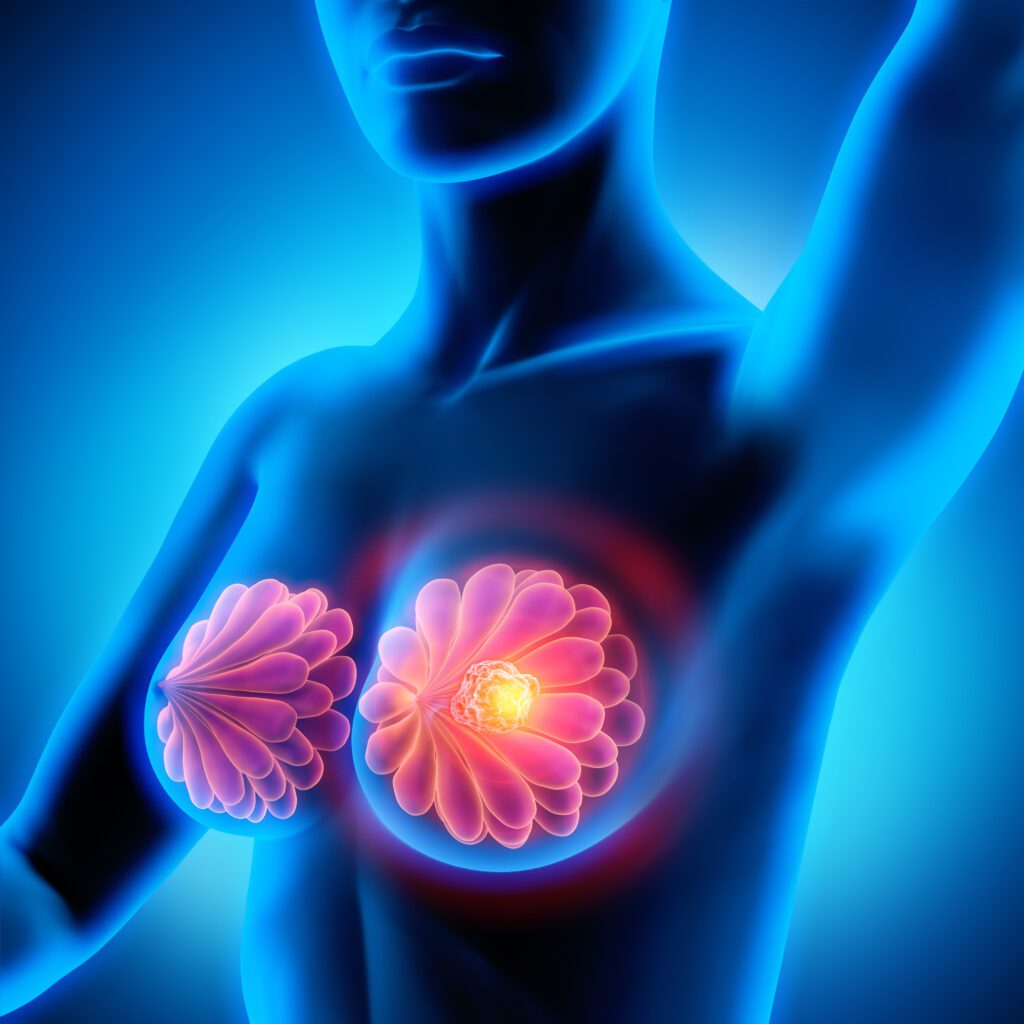
You may already know that Vitamin C could help prevent the common cold, or that Vitamin A is essential for healthy eyes, but did you know that Vitamin D might help in the battle against breast cancer? An ongoing study is showing that Vitamin D can be linked to the prevention of the deadly cancer […]
It’s been said the eyes are the “window to the soul.” That may be true, but they also offer a glimpse into your overall health. Here are seven telltale signs of disease your eyes may reveal.

In addition to a well-rounded diet, a healthy lifestyle, and plenty of exercise, what else can men do to be as healthy as possible? These supplements have proven their ability to make a difference in men’s health.
There is exciting news for chocolate lovers! A study in the Journal of Internal Medicine reported the results of a study, which indicates that heart attack survivors who eat chocolate two or more times a week reduce their risk of perishing from heart disease by three times over those that live an anti-chocolate life.

While some scientists believe that there may be a genetic predisposition to Alzheimer’s disease, it is a preventable disease. However, even though this disease is preventable, 1 in 8 Americans have been diagnosed with Alzheimer’s. Although scientists cannot pinpoint exactly what causes the disease, an unhealthy diet, poor mental and physical exercise, and leading a […]
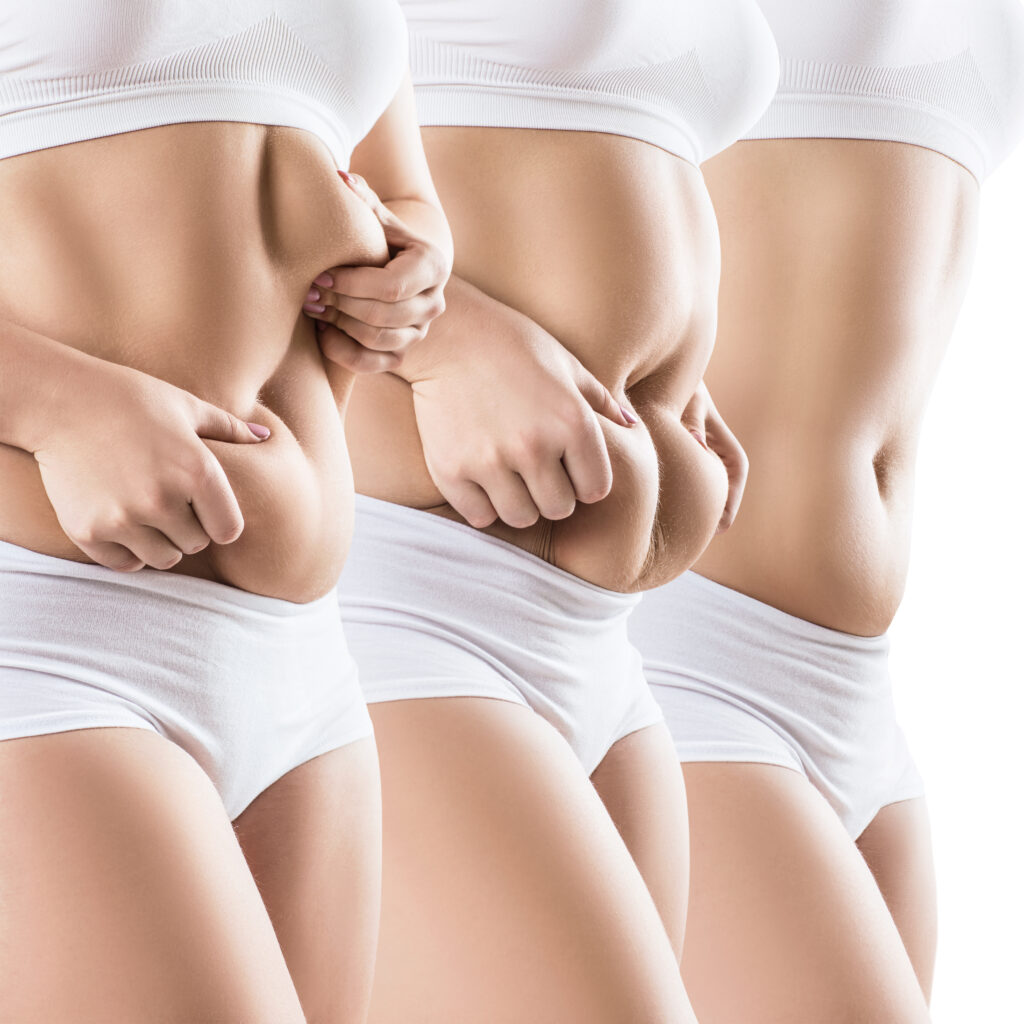
A new study published in Mayo Clinic Proceedings reported that obese women only get 1 hour of vigorous exercise per year – and obese men engage in vigorous exercise less than 4 hours a year. The report startled researchers whose main focus was to find better ways to measure how much exercise people get. “They’re […]

When you’ve got serious knee pain… life is unbearable. Running is excruciating. Squatting hurts. And simple everyday tasks (like getting out of bed in the morning) can seem impossible to do. Olympic gold medalist – and skiing superstar – Lindsey Vonn understands this type of pain. She will miss competing in the 2014 Sochi Olympics […]
Are you one of the 95 million folks suffering from constipation… gas… irritable bowels… bloating… indigestion… or acid reflux? If so, you may think that your digestive problems aren’t such a big deal — maybe even a normal part of life. But don’t be fooled! These nagging symptoms could be the beginning of much bigger […]
Forget the alcohol. Never mind the prescription drugs. It looks like the FDA should require a new WARNING label on chicken! That’s because a startling new report reveals: 97% of chicken breast contains harmful bacteria that can make you sick as a dog! A recent Consumer Reports analysis of more than 300 raw chicken breasts […]

We all try to make good choices when it comes to food. But sometimes LIFE gets in the way… Whether it’s a road trip… a late night at the office… or driving home with a couple of cranky kids in the backseat of the car… … when hunger strikes sometimes the healthy snacks you packed […]
We all try to make good choices when it comes to food. But sometimes LIFE gets in the way… Whether it’s a road trip… a late night at the office… or driving home with a couple of cranky kids in the backseat of the car… … when hunger strikes sometimes the healthy snacks you packed […]
Time-tested. Healthy. AMAZING. That’s Garlic. I love garlic. No, I mean I REALLY love garlic. I love the smell of it sautéing on the stove. I love the little chunks I get in every bite of my homemade pico de gallo. And I just can’t get enough of roasted garlic mashed potatoes… YUM! I add […]

Are you one of the millions of Americans that spend thousands of dollars each year on vitamins and supplements to keep you healthy? If so, you won’t want to miss this… Not one… not two… but three new studies published in the December 16th issue of the journal Annals of Internal Medicine, found that multivitamin […]

You may have seen bottles of Melatonin on the shelf at the local health or drug store, or even had it recommended to you by a friend to help you get “better” sleep. What you may not know is that melatonin is a hormone that is naturally present in your body and there to help […]
The search for a real life Fountain of Youth continues in modern day, and anti-aging supplements are proving to be a great way to fight off the effects of aging. Fans of staying young and healthy and health enthusiasts alike all seem to swear by one particular supplement: fish oil. Many of you might […]
(part 3 of 3, Probiotics Series) Now that you know what probiotics are, how to increase their presence in your body, and are fully aware of the large number of benefits that they bring with them – what’s left? In the second article of this series, we briefly touched on another benefit that is harder […]
(Part 2 of 3 part series) In the first article of this 3 part probiotics series, we introduced the idea of probiotics as a way to balance the hundreds of types of bacteria that naturally exist within your body. In this piece we will cover the different ways to consume probiotics, introduce prebiotics, and delve […]
While consuming microscopic organisms and bacteria on purpose may seem strange — or even disgusting to most people, it’s actually something you should do on a regular basis to maintain a healthy immune system… in the form of probiotics. What Exactly ARE Probiotics? Probiotics are tiny, living microorganisms (also known as microflora or beneficial bacteria) […]
Have you ever thought about the monetary cost of a disease? As in how much money you might dole out over your lifetime trying to either survive a disease, or recover from it? How does about $130,000 sound, give or take? That’s the estimated cost of living with type-2 diabetes, according to a recent study […]

Today I want to speak with you about something very important. It needs to be said because there is a dirty little secret out there under which most of you are being taken advantage… not only in terms of the money you are spending, but also in terms of your health and wellness. See, I […]
Today I want to speak with you about something very important. It needs to be said because there is a dirty little secret out there under which most of you are being taken advantage… not only in terms of the money you are spending, but also in terms of your health and wellness. See, I […]
BPA, or Bisphenol A, is a toxic chemical used in plastic bottles, containers such as soup and vegetable/fruit cans, and other types of packaging. It was formerly allowed in baby bottles and children’s “sippy cups,” until the FDA banned that use last year. But it’s also found in unexpected places as well; namely paper receipts […]
BPA, or Bisphenol A, is a toxic chemical used in plastic bottles, containers such as soup and vegetable/fruit cans, and other types of packaging. It was formerly allowed in baby bottles and children’s “sippy cups,” until the FDA banned that use last year. But it’s also found in unexpected places as well; namely paper receipts […]
The Missing Link in Cancer Prevention: Vitamin D Recently there was a renewed interest in (and corresponding buzz around) breast and ovarian cancer; particularly due to celebrity Angelina Jolie’s decision to undergo a double mastectomy – despite the fact that she didn’t have cancer. Jolie made this decision after learning that she carried the mutated […]

For people wanting to avoid dangerous pharmaceuticals, a vast selection of natural therapies and herbal supplements are available for just about every condition. But just because they are ‘natural’ doesn’t imply that you can take them like they’re Flintstones vitamins. Many times these supplements are just as potent (if not more) than mainstream drugs. You […]
For people wanting to avoid dangerous pharmaceuticals, a vast selection of natural therapies and herbal supplements are available for just about every condition. But just because they are ‘natural’ doesn’t imply that you can take them like they’re Flintstones vitamins. Many times these supplements are just as potent (if not more) than mainstream drugs. You […]
It’s well known that the Doctors, researchers, and other staff members here on the Nutricell Blog are NOT big fans of prescription drugs. In fact, we cherish the bountiful health that can arise from homeopathic, holistic, natural approaches to illness. Yes, we agree that there are situations in which prescription drugs may be necessary. And those […]
The Raw Milk Movement: How It’s Threatening the Dairy Industry’s Profits In a recent article, we discussed how certain members of the Dairy Industry are pushing for unlabeled ingredients, such as aspartame and sucralose, to be allowed in almost 20 varieties of milk and other dairy products. “Unlabeled,” aka: “without your knowledge.” It’s disturbing to […]
The Raw Milk Movement: How It’s Threatening the Dairy Industry’s Profits In a recent article, we discussed how certain members of the Dairy Industry are pushing for unlabeled ingredients, such as aspartame and sucralose, to be allowed in almost 20 varieties of milk and other dairy products. “Unlabeled,” aka: “without your knowledge.” It’s disturbing to […]
Why is the Dairy Industry Trying to Pull the Wool Over Your Eyes? These days it’s increasingly essential to be conscious of what you’re feeding yourself, and your family. Reading labels has become a necessity . . . and given the confusing labels out there, it is not a simple task. Learning to distinguish “organic” […]
20 Most Dangerous Foods… If you recall, a few weeks ago we did an article on a “drug” that the U.S. allows in meats like beef, pork, and poultry, but which 160 other countries currently bans (including Russia). Which begs the question: What other types of foods are allowed to be “tainted” by things such […]

What Time of Day is Best to Exercise? About a month ago we showcased an article on what type of exercise is most beneficial for fat loss: weight training, cardio, or a combination of both. The answer, after significant research, was cardio. And because scientists are never quite satisfied with reaching one conclusion, there was […]
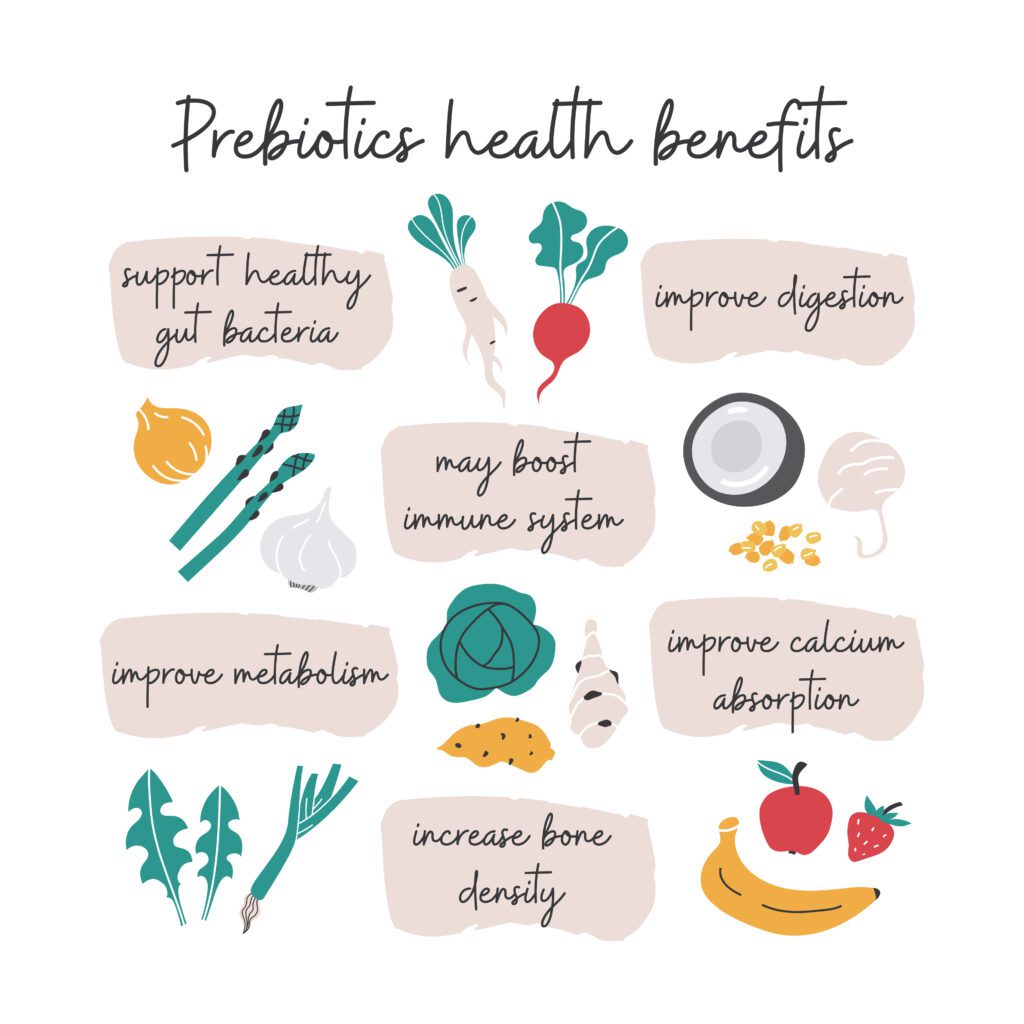
The Power of Prebiotics and Why Probiotics Alone Aren’t Enough You know about probiotics – the healthy bacteria that can help you maintain good digestive health (and good overall health). But have you heard of prebiotics? Many people haven’t, which is a shame, as they are an essential part of the benefits you get from […]
The New Test to Prevent YOU from Dying of a Stroke Strokes happen every day. In fact in the U.S., someone suffers a stroke every 45 seconds. Approximately 700,000 new and recurrent strokes occur each year, and the condition affects one in five people during their lifetime. It’s no surprise, then, that stroke is the […]
It’s everywhere, it’s everywhere! Or so it seems. Kids home from school, co-workers not showing up to work, grandparents ending up in the hospital. It is official: the flu has struck. The media is all over it, naturally. Morning talk shows and even nightly news programs are warning of the dangers of the flu and […]

Do you trust your Healthcare provider? Before we get into some stats and figures, take a look at one man’s story. “Jim” (name changed to protect the innocent) had a bad experience recently when he went in for a routine check-up. But there is a light at the end of Jim’s tunnel… read on to […]

Cardio vs. Weight Training, Fat Loss Supplements, and More With New Year’s Day past, and dreaded New Year’s resolutions haunting some of us, I hope you consider following through with some of your goals pertaining to your health. If you’re like most people, you’ll vow to eat better, exercise more, drink less and lose those […]
Holiday Health Concerns: Why Do Heart Attacks Spike During the Holiday Season? And Are There Really More Suicides? The holidays are supposed to be all about happiness and joy, family and friends, opening gifts and enjoying delicious food… not to mention those visions of sugarplums. But with all these “warm-fuzzy” things, there is a reality […]
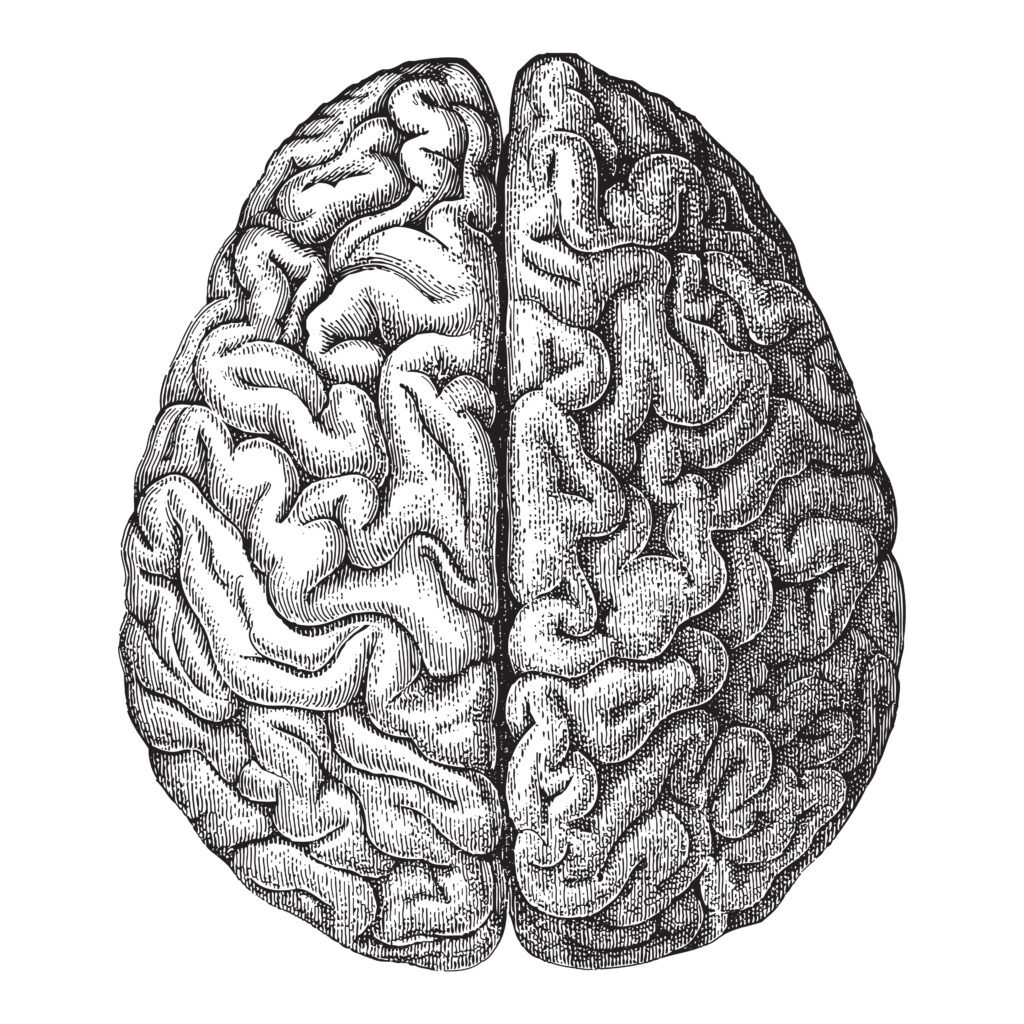
Feed Your Brain Do you remember that PSA (Public Service Announcement), where an egg is being fried in a pan and the message is, “This is your brain on drugs”? Pretty vivid picture of what drugs – the bad ones – can do to your brain. Unfortunately, it can be more than just drugs that […]
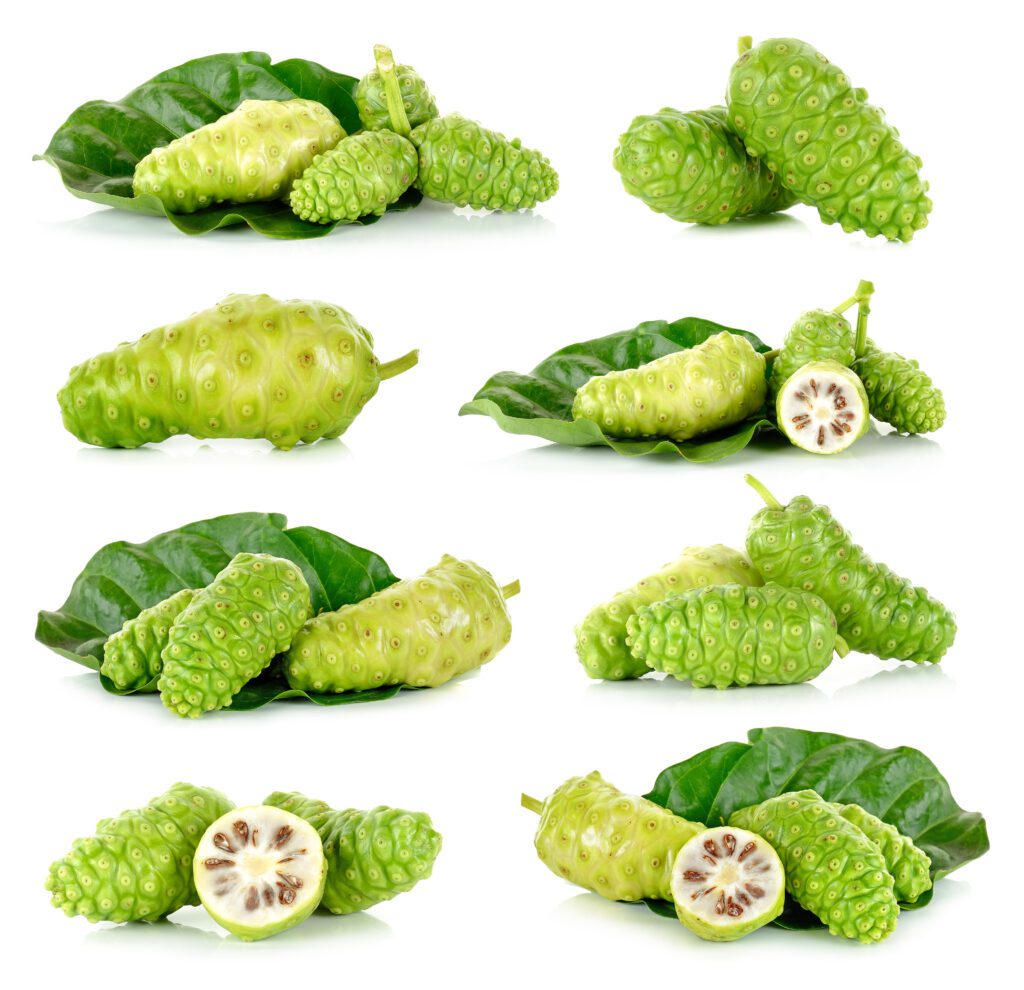
Morinda Citrifolia: Better Than Magic Fairy Dust? You’ve probably heard of the popular Noni Juice… it went through a big boom a few years ago, due to its proposed myriad of health benefits. But what exactly is in this “miracle juice” to make it so beneficial? Certainly not magic fairy dust! No… actually something much […]

Probiotics and Immunity With cold and flu season approaching faster than you can say “Achoo,” you might be wondering how you can pump up your immunity to avoid the chills, fever, aches and sniffles this year. Traditional wisdom would say “get your vitamin C” or “use that hand sanitizer”! But there is another way that […]
CoQ10 and Congestive Heart Failure You may have been hearing about the benefits of CoQ10, or coenzyme Q10, when it comes to your heart, your brain, and even cancer. But we’d like to get a bit more specific with those benefits, particularly in terms of addressing and alleviating the symptoms of congestive heart failure. What […]
Boost Your Kids’/Grandkids’ Health and Brain Power! The childhood obesity epidemic continues to grow and shows no signs of tapering off, or at least reaching a plateau. Since 1980, obesity in children has tripled, and today over 17 percent of our children are severely overweight. According to an education workshop hosted by the Tyler Public […]
Worms and Parasites? How Probiotics Might be the Answer! Eighty percent of the immune system can be found within your digestive system. What would happen if this integral part of your body was invaded by harmful parasites that were invisible to the naked eye? Intestinal worms and parasites are not just for poor, underdeveloped countries. […]

10 Healthy Snacks You Just Can’t Get Enough Of! Have the urge to munch on something while watching your favorite football team take the field this season? Avoid the extra calories and carbs, and enjoy these delicious, easy-to-make healthy snacks! Kashi Cereal and Strawberry Yogurt One of my all-time personal favorites, this one is very […]
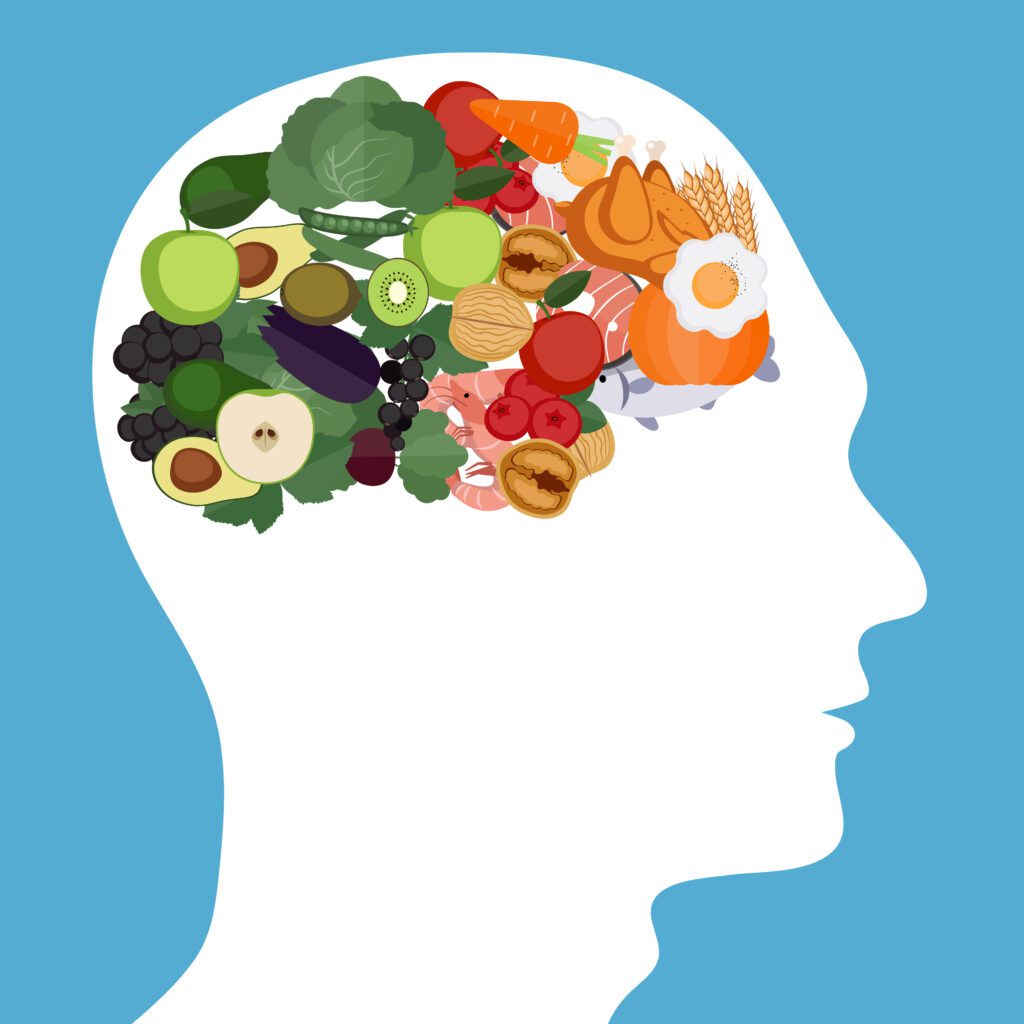
Is Ginkgo Biloba Really a “Brain Food”? You may have already heard of Ginkgo Biloba . . . in fact, I’d be surprised if you hadn’t! The extract, which is derived from the leaves of the Ginkgo biloba tree, has been commonly used in Chinese treatments for thousands of years. Today, it’s enjoying mainstream popularity […]
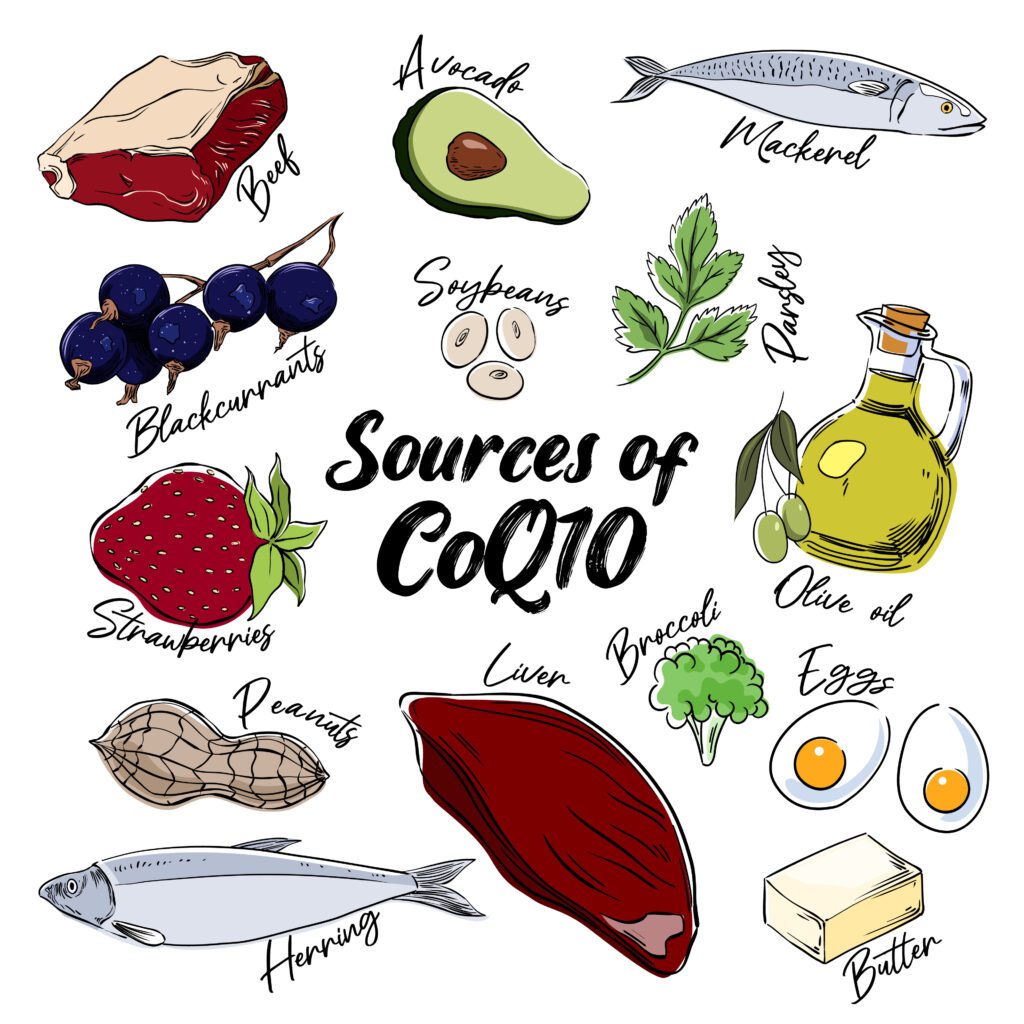
CoQ10 and Cancer Coenzyme Q10 may finally be getting the attention it deserves. The antioxidant compound CoQ10, which is naturally produced in our bodies, is a “Jack of all Trades” when it comes to your health. Not only does it aid in cell growth and stronger immune systems, but it also serves to protect cells […]
At some point in our lives, we’ve all experienced some type of muscle or joint pain. Others, like those suffering from conditions such as arthritis, endure the pain on a more regular basis. While prescription medications and treatments do exist, and many of them are quite effective, some individuals prefer more natural, alternative treatments such […]
Tinnitus: Causes, Symptoms and Treatment Options The ringing. The buzzing. The constant whistling and clicking noises . . . all within your inner ear. Are you going crazy? Is some sort of mental illness taking over your brain? Not to worry. You may simply be suffering from a condition known as tinnitus. And you wouldn’t […]
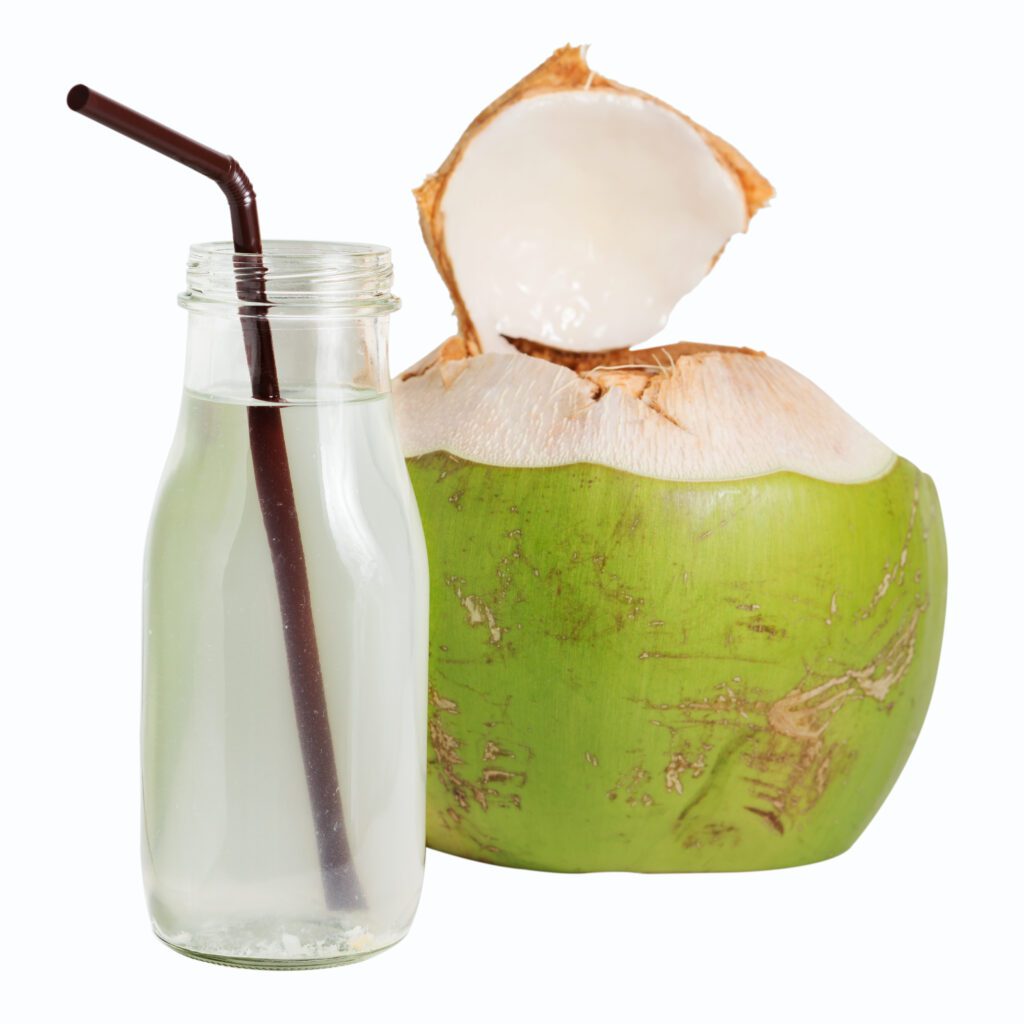
Coconut Water: A New Way to Get Healthy Step aside, water and sports drinks – there’s a new kid in town. Quickly gaining popularity due to intense celebrity endorsements and dubbed “Mother Nature’s sports drink” by clever marketers, coconut water is finding a new home in many sports enthusiasts’ fridges. Traditionally reserved only for summer […]

What happens if you don’t get any antioxidants? It’s not like you’re a car that rusts over time and needs constant oiling, right? Actually, our bodies toil away each and every day to keep us healthy; but at the same time there are mischievous (and naturally occurring) little things called free radicals that slow us […]
Top 4 Foods to Switch to Organic So you’ve been reading up on the dangers of eating foods stuffed with growth hormones, and you’re ready to make the plunge for yourself and your entire family. But your budget doesn’t allow for a complete overhaul. Luckily, by changing only four foods to organic, you will be […]

The Konjac Root Craze: Is It As Beneficial As They Say? Konjac root has been getting a good deal of press lately, especially since appearing on Dr. Oz’s show and making his list of “Viewers All Time Favorite Tips” . . . not to mention all the buzz it’s getting on other TV shows and […]

CoQ10 You’ve probably heard the health buzz around CoQ10 . . . that your body doesn’t have enough of it and you NEED MORE! But what exactly is this nutrient, and why is it SO important for your health? Let’s take a look . . . What is CoQ10? Coenzyme Q10, better known as CoQ10 […]
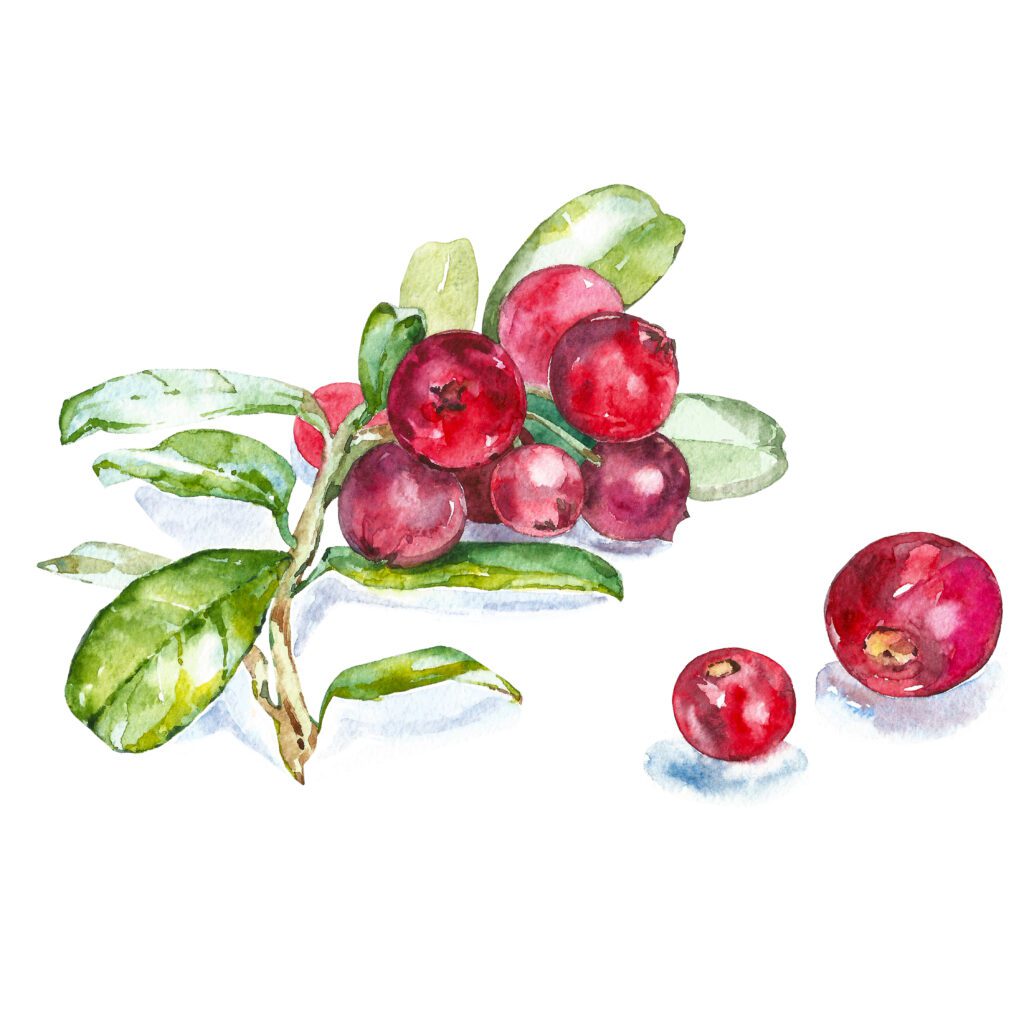
Cranberry for Urinary Health A cool glass of cranberry juice to treat a urinary tract infection sure sounds better than popping a pill (and the number of side effects that may result), doesn’t it? Cranberry has been used for centuries for urinary health, and for good reason. So . . . what’s the secret behind […]
Are You Getting the Digestive Enzymes You Need? People often associate digestive enzymes with wanting to lose those stubborn extra pounds and other weight issues. While digestive enzymes do certainly play a role in the number on the scale and how you gain or lose weight, they also have an impact on other ailments . […]
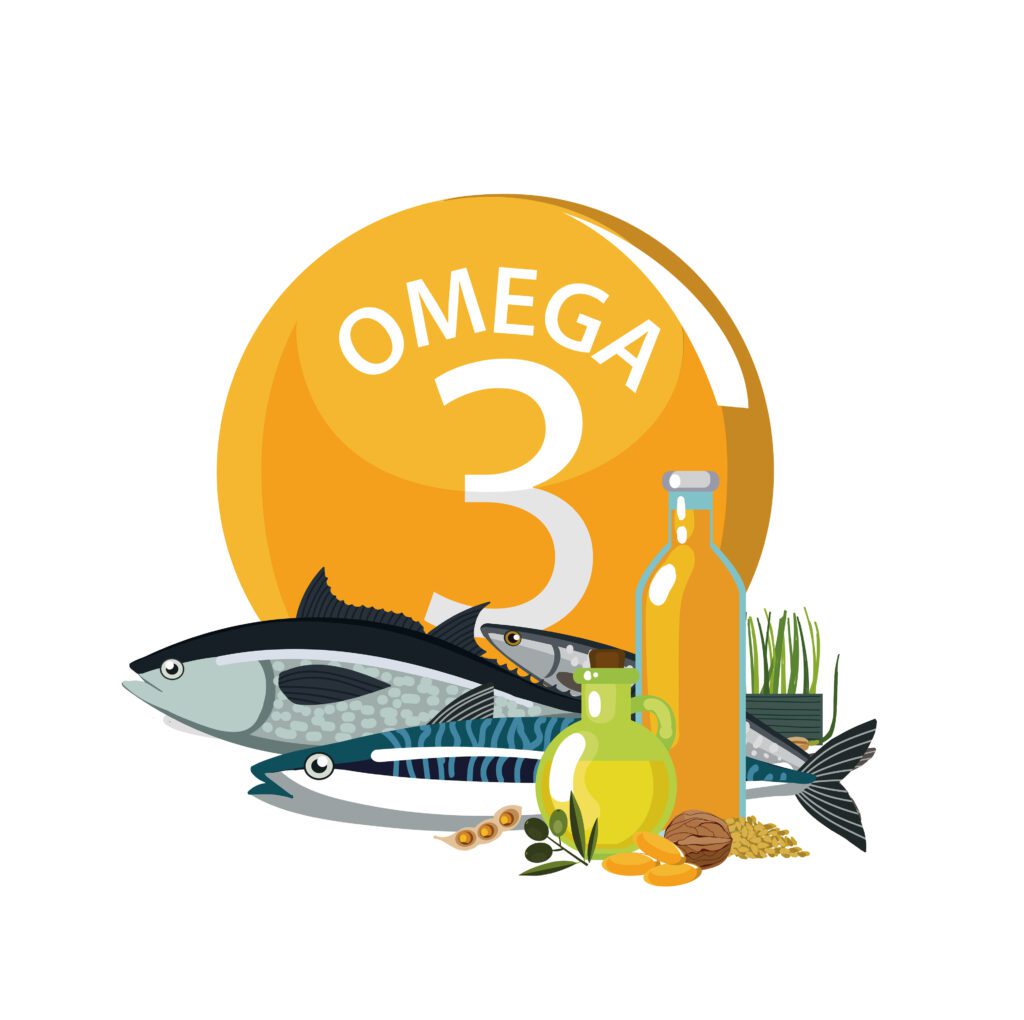
Omega-3s and Your Memory If there weren’t already enough health benefits to encourage you to add more Omega-3 to your diet, then perhaps the findings of a recent study published in the American Academy of Neurology’s journal “Neurology” will do it. The study has found that not getting enough Omega-3s in your diet is responsible […]
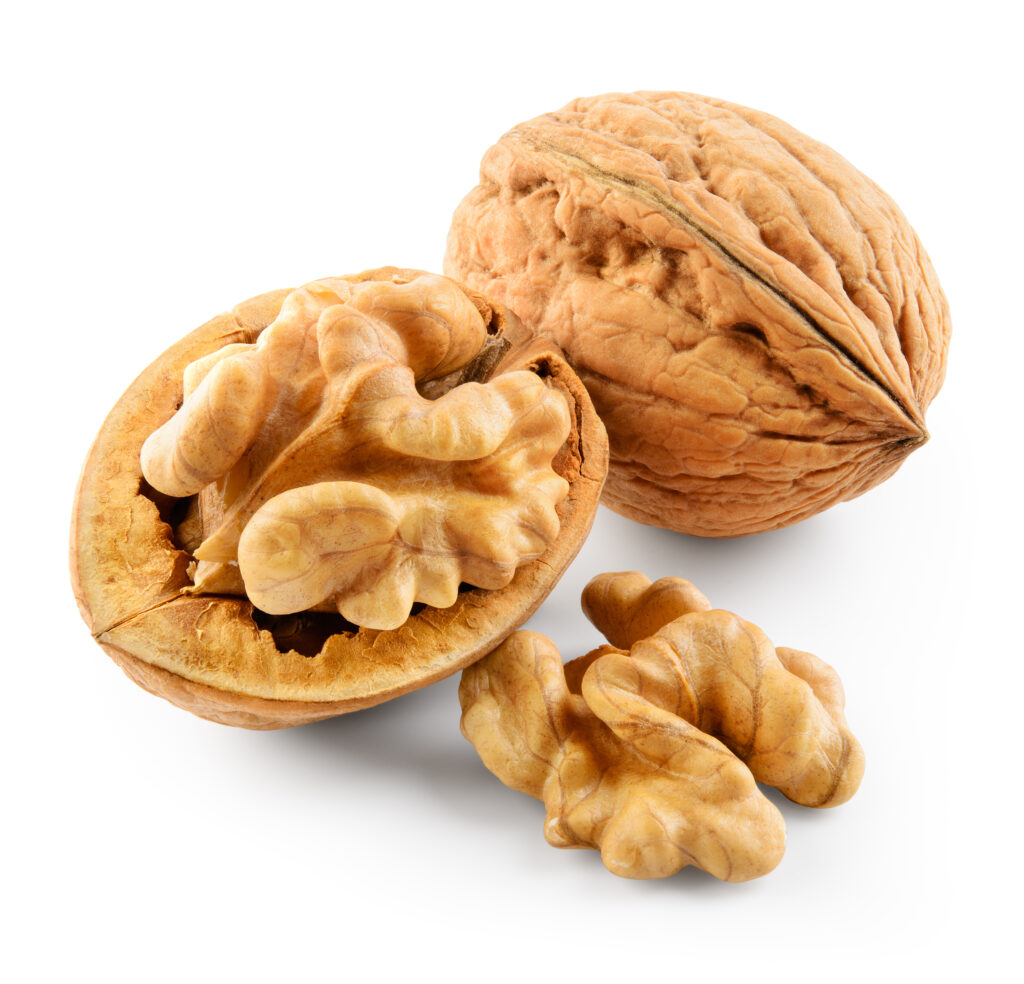
Walnuts an Illegal DRUG? Why the FDA is REALLY Cracking Down Potato chips are heart healthy and walnuts could cut the risk of breast cancer in half. Which would YOU be more inclined to believe? Well, going by standard FDA policy, the potato chips are your only choice. Unfortunately, the chips can be labeled as […]
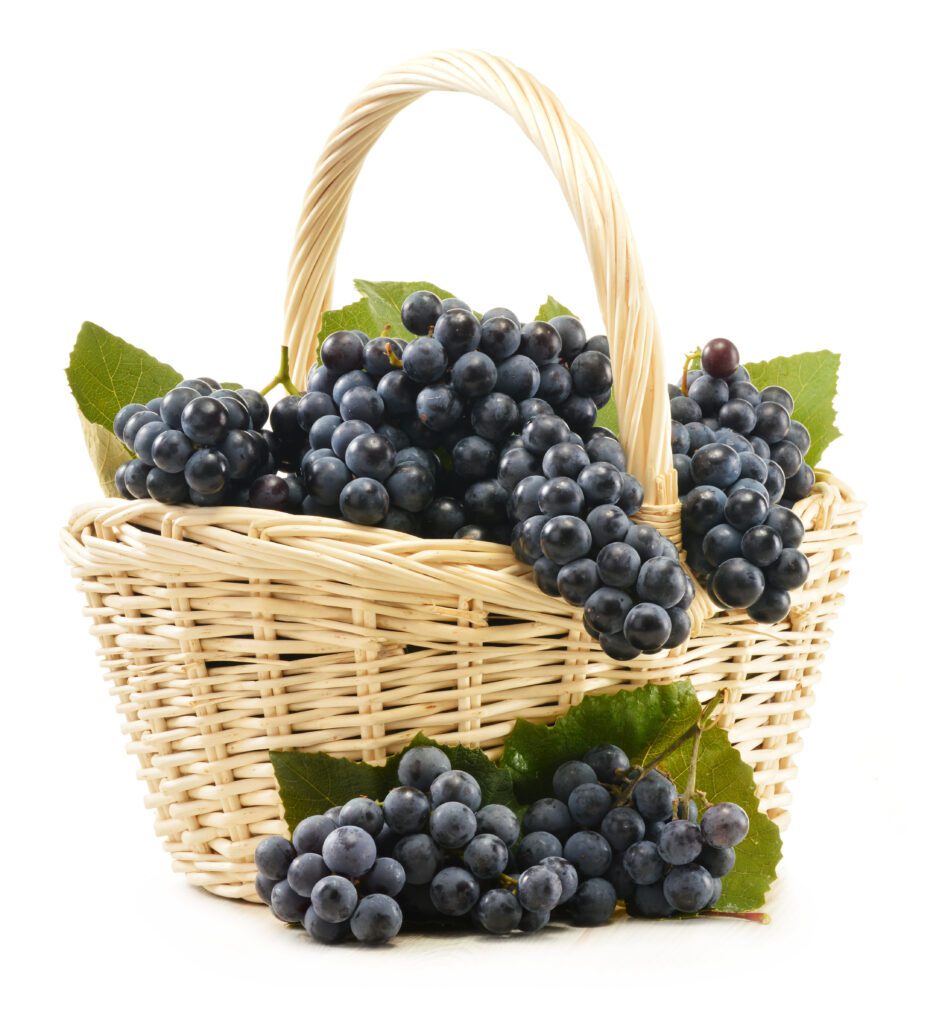
Scientists Are Discovering More and More about Resveratrol Every Day You’ve been hearing about the benefits of red wine (and a nice pairing of dark chocolate) for a few years now, which is a gift and a blessing to some! But just when wine lovers thought they were in the clear, we’re finding that the […]

It’s easy to become immune to all the messages in the media about heart health. From commercials on television that sell you on “heart-healthy” foods such as Cheerios, to the magazine and online articles that blast the dangers of heart disease, it’s not hard to see why the information may sound like a broken record […]

As women, it is impossible to avoid being bombarded by the innumerable health and fitness tips our society constantly throws in our direction. Everything from how to eat healthier, obtain a natural glow by doing yoga, get firmer abs and buttocks by doing Pilates—the list goes on and on! Personally, I have found that regardless […]
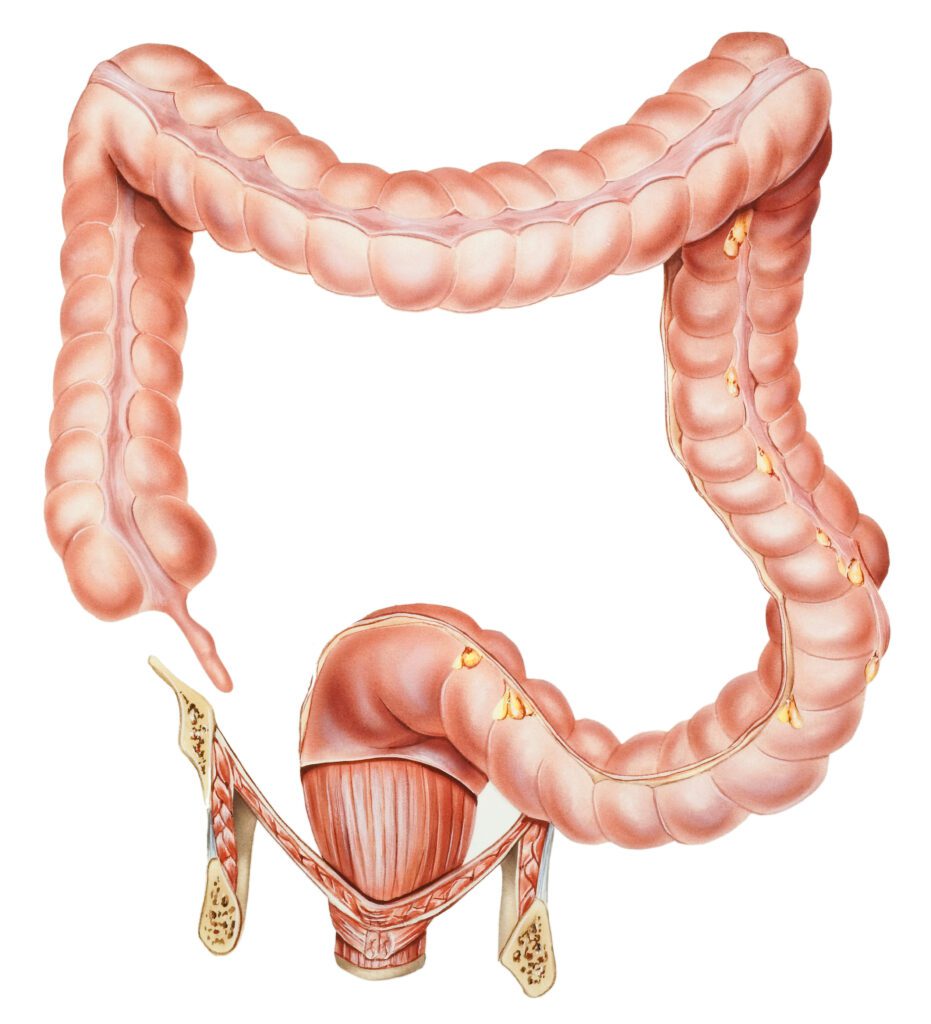
The Claims they make Many claims have been made about the benefits of colon cleansing and detox dieting, such as removal of toxins or hardened fecal matter that may be trapped in the walls of the colon. Loss of toxins and fecal matter is in turn then supposed to lead to weight loss or a […]
FEDS TAKE LEGAL ACTION ON HCG DIET We’ve all fallen prey to quick fix weight loss gimmicks, particularly when we’re eager to shed those unwanted pounds rapidly. But recent warnings issued by the Food and Drug Administration (FDA) and the Federal Trade Commission (FTC) on the risks associated with taking HCG for weight loss, shed […]
Are Sleeping Pills the answer? If you suffer from insomnia, or just occasional sleeplessness, taking sleeping pills probably seems like the perfect solution. At first blush, sleeping pills may seem like an easy, quick solution – you pop a pill, rest your head on the pillow, and the next thing you know, you’re waking up […]
For people wanting to avoid dangerous pharmaceuticals, a vast selection of natural therapies and herbal supplements are available for just about every condition. But just because they are ‘natural’ doesn’t imply that you can take them like they’re Flintstones vitamins. Many times these supplements are just as potent (if not more) than mainstream drugs. You […]
Here’s the Great News: Grape Seed Extract is Excellent for your Health Too! For red grape lovers, the news just keeps getting better and better! If you’re not a red grape fan, now could be the perfect time to give grapes another chance. Maybe you’ve heard about the health benefits of resveratrol, which is a […]
Follow Us


Recommended Blogs

If you’re a woman, visits to the physician for your annual exam requires going beyond checking of weight and cholesterol screening as you age. The longer you live, the more susceptible you become to conditions and diseases that might have been prevented—or perhaps treated to improve the quality of life—if only common health screenings had […]

If it wasn’t such a serious matter, it would be easier to sigh and shrug your shoulders in a “guys will be guys” kind of way. Let’s face it; us men are known for delaying trips to the doctor or taking care of health issues. Even in this evolved day and age, maybe there are […]
Introduction Fasting, the act of abstaining from food for a period, has been a part of human practices for centuries. Various cultures around the world have utilized fasting in religious rituals and traditional healing methods. In modern times, fasting has gained significant popularity for its potential health benefits, including weight management, improved metabolic health, and […]